calabar carnival 2026

Calabar Carnival 2026: The Complete Guide to Africa’s Biggest Street Party

Picture this: over two million people dancing through the streets of Calabar, Nigeria, in a spectacular explosion of color, music, and culture that transforms an entire city into the world’s largest outdoor stage. The Calabar Carnival 2026 promises to be the most magnificent celebration yet of what UNESCO has recognized as one of Africa’s most significant cultural festivals.

Known as “Africa’s Biggest Street Party,” the Calabar Carnival has grown from a modest local celebration into an international phenomenon that attracts visitors from over 50 countries. This extraordinary festival combines traditional Nigerian culture with modern entertainment, creating an experience that rivals Rio’s Carnival and Trinidad’s Mas while maintaining its unique African identity.

Key Takeaways
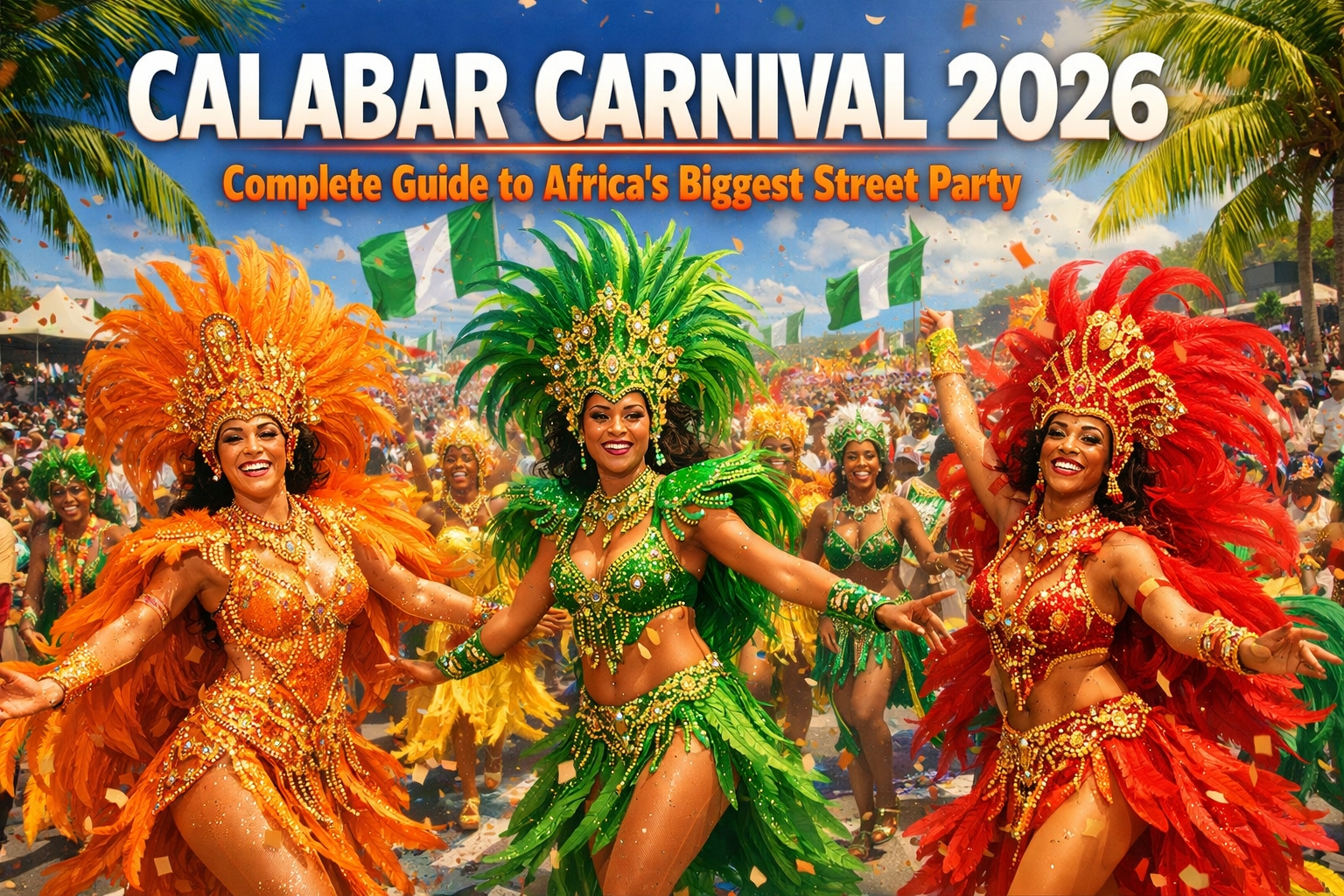
Cover image - Create a vibrant 1536x1024 landscape cover image featuring a spectacular carnival scene with colorful costumed dancers in elab

Calabar Carnival 2026 will take place from December 1-31, 2026, with the main parade scheduled for December 28, 2026
• The festival features five major carnival bands, each with elaborate themes and thousands of participants in stunning costumes
• Accommodation and costume bookings typically open in July 2026 and sell out quickly due to high demand
• The total budget for international visitors ranges from $1,500-$4,000 depending on accommodation and participation level
• Safety is excellent with heavy security presence, but basic precautions and group travel are recommended

1. CARNIVAL BASICS

1.1 What is Calabar Carnival

The Calabar Carnival stands as Africa’s premier cultural celebration, transforming the charming city of Calabar in Cross River State, Nigeria, into a month-long festival of unprecedented scale and beauty. Born from the vision of former Cross River State Governor Donald Duke in 2004, this remarkable event has evolved into a cultural phenomenon that showcases the rich heritage of Nigeria while embracing global carnival traditions.

History and Origins
The carnival emerged from a desire to position Nigeria as a major tourist destination while celebrating the diverse cultures within Cross River State. Drawing inspiration from Brazil’s Rio Carnival and Trinidad’s Carnival, the founders created something uniquely African. The inaugural 2004 carnival featured just three bands and attracted 50,000 visitors. Today, it welcomes over two million participants and spectators annually.

Cultural Significance
Beyond the spectacular parades and parties, Calabar Carnival serves as a powerful platform for cultural preservation and economic development. The festival celebrates Nigeria’s 250+ ethnic groups, traditional crafts, music, and dance forms. Local artisans spend months creating elaborate costumes, masks, and floats that tell stories of African history, mythology, and contemporary life.

Evolution from 2004 to Present
The carnival has undergone remarkable transformation:

  • 2004-2006: Establishing foundations with three bands and basic infrastructure
  • 2007-2010: International recognition and media coverage expansion
  • 2011-2015: Introduction of themed years and major international partnerships
  • 2016-2020: Technology integration and global streaming capabilities
  • 2021-2025: Post-pandemic recovery and enhanced safety protocols
  • UNESCO Recognition
    In 2019, UNESCO recognized Calabar Carnival as an “Intangible Cultural Heritage of Humanity,” acknowledging its role in preserving traditional African art forms while fostering international cultural exchange. This recognition elevated the carnival’s global profile and attracted additional international support.

    Comparison with Other Carnivals Worldwide
    While Rio de Janeiro’s Carnival focuses on samba schools and competitive parades, and Trinidad’s Carnival emphasizes calypso and steelpan music, Calabar Carnival uniquely blends:

  • Traditional African drumming and dance
  • Contemporary Afrobeats and hip-hop
  • Elaborate costume designs inspired by African mythology
  • Street food festivals featuring Nigerian and West African cuisine
  • Cultural exhibitions and craft demonstrations
  • 1.2 When is Carnival

    Dates and Timing
    Calabar Carnival 2026 will run from December 1-31, 2026, with activities building toward the spectacular grand finale parade on December 28, 2026. Unlike many carnivals tied to religious calendars, Calabar Carnival maintains consistent December dates, making it easier for international visitors to plan annual trips.

    Carnival Calendar and Countdown
    The month-long celebration follows a carefully orchestrated schedule:

  • December 1-7: Opening ceremonies and cultural exhibitions
  • December 8-14: Band rehearsals and costume fittings
  • December 15-21: Pre-carnival parties and competitions
  • December 22-27: Intensified activities and preliminary parades
  • December 28: GRAND PARADE DAY 🎉
  • December 29-31: Closing celebrations and cultural shows
  • Best Time to Visit
    For first-time visitors, arriving December 20-30 provides the optimal experience. This timeframe offers:

  • Full immersion in carnival atmosphere
  • Opportunity to attend multiple events
  • Access to the main parade and closing ceremonies
  • Ideal weather conditions (dry season)
  • Maximum cultural activities and exhibitions
  • Duration of Festivities
    While the official carnival runs for 31 days, the most intensive period spans December 15-31. Many international visitors find a 10-14 day stay sufficient to experience the carnival’s highlights while exploring Calabar’s attractions.

    1.3 Carnival Season Timeline

    Post-Christmas Activities
    Following Christmas Day, Calabar transforms into carnival central. The city’s population swells from 500,000 to over 2 million as visitors arrive for the final week of celebrations. Hotels, restaurants, and entertainment venues operate at full capacity, creating an electric atmosphere throughout the city.

    December 28: Grand Parade Day
    The centerpiece of Calabar Carnival 2026 features five major carnival bands, each comprising 3,000-5,000 participants. The parade route stretches 12 kilometers through Calabar’s main thoroughfares, beginning at the Cultural Centre at 10:00 AM and concluding at the U.J. Esuene Stadium around 6:00 PM.

    December 29-31: Closing Celebrations
    The carnival concludes with three days of cultural performances, traditional music concerts, and farewell parties. Many visitors use this period to explore Cross River State’s natural attractions, including the Obudu Mountain Resort and Cross River National Park.

    2. CARNIVAL EVENTS & ACTIVITIES

    2.1 Major Events

    The Grand Parade: What to Expect
    The Calabar Carnival 2026 grand parade represents the culmination of months of preparation, featuring five spectacular carnival bands competing for the coveted “Band of the Year” title. Each band presents a unique theme through elaborate costumes, choreographed dances, and massive decorative floats.

    The Five Carnival Bands:

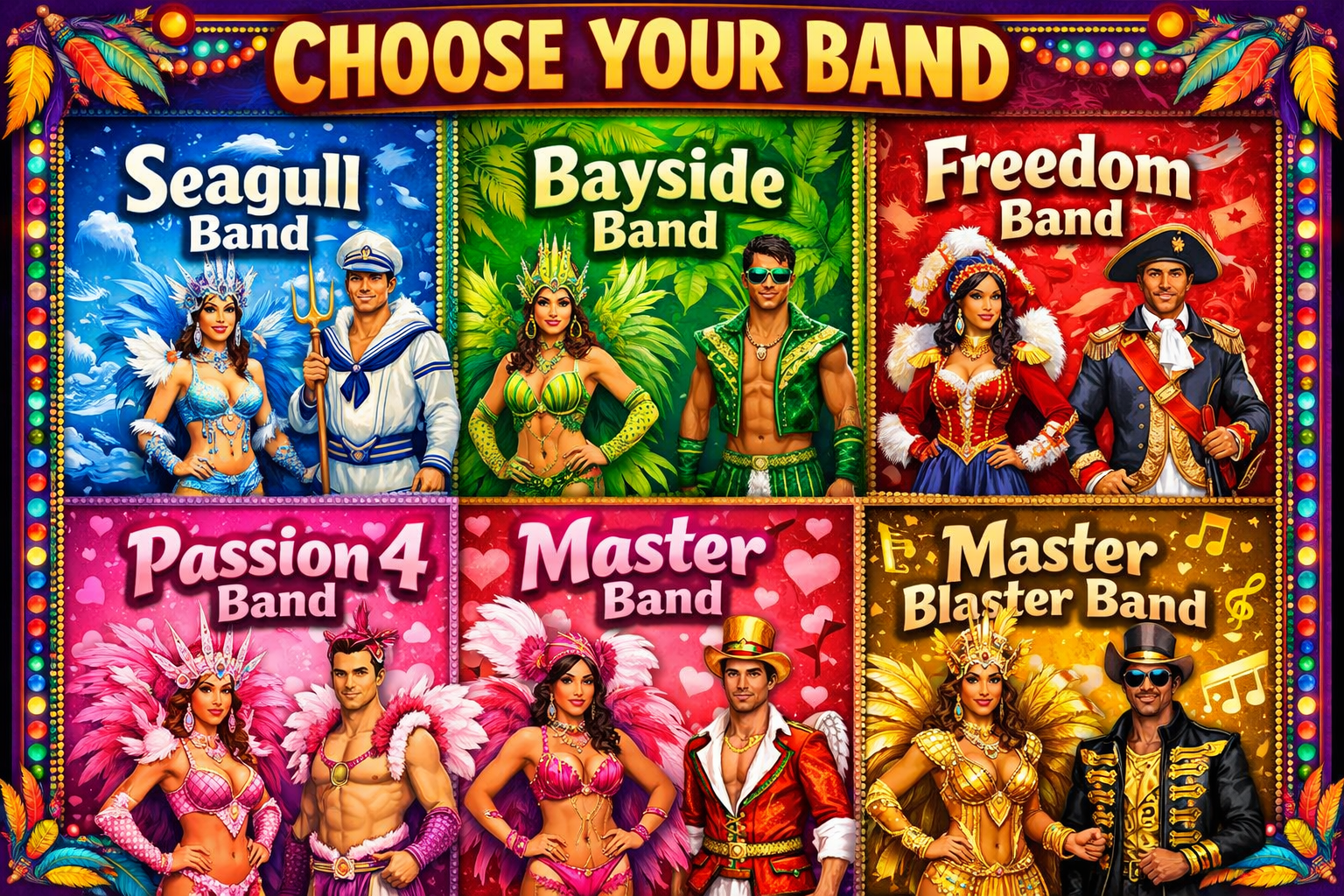
  • Seagull Band – Known for maritime and oceanic themes
  • Bayside Band – Specializes in contemporary African culture
  • Freedom Band – Focuses on historical and liberation themes
  • Passion 4 Band – Features love, unity, and celebration themes
  • Master Blaster Band – Emphasizes music and entertainment culture
  • Safety Tips

  • Travel in groups and establish meeting points
  • Carry minimal cash and use hotel safes for valuables
  • Stay hydrated and wear comfortable shoes
  • Follow designated parade routes and respect barriers
  • Keep emergency contacts readily available
  • Use official transportation services
  • Cultural Exhibitions and Craft Demonstrations
    Throughout December, the Calabar Cultural Centre hosts daily exhibitions featuring:

  • Traditional mask-making workshops
  • African textile and batik demonstrations
  • Drum-making and music lessons
  • Storytelling sessions with local griots
  • Traditional dance classes
  • Local cuisine cooking demonstrations
  • 2.2 Competitions

    Band Competition
    The highlight competition features five bands judged on:

  • Costume Design and Creativity (30 points)
  • Choreography and Performance (25 points)
  • Musical Arrangement (20 points)
  • Overall Presentation (15 points)
  • Crowd Engagement (10 points)
  • Winners receive cash prizes totaling ₦50 million (approximately $120,000), with the winning band earning ₦20 million and significant bragging rights for the following year.

    Kings and Queens of Carnival
    Individual costume competitions crown the most elaborate and creative participants:

  • King of Carnival: Male participant with most spectacular costume
  • Queen of Carnival: Female participant with most elaborate design
  • Traditional King/Queen: Best traditional African-inspired costumes
  • Contemporary King/Queen: Most innovative modern interpretations
  • Venue and Tickets
    Competition judging occurs at multiple points along the parade route, with the main judging platform located at Millennium Park. VIP viewing tickets range from ₦15,000-₦50,000 ($35-$120), while general viewing areas remain free to the public.

    2.3 Pre-Carnival Parties

    Carnival Fetes and Parties
    December features nightly entertainment events throughout Calabar:

  • Transcorp Hotels: Upscale parties with international DJs
  • Channel View Hotel: Rooftop parties overlooking the Calabar River
  • Calabar Beach Resort: Beach parties with live bands
  • Various Night Clubs: Local venues hosting carnival-themed nights
  • Private vs Public Events

  • Public Events: Free or low-cost community celebrations in parks and public spaces
  • Private Events: Exclusive parties at hotels and private venues requiring tickets (₦5,000-₦25,000)
  • 3. MUSIC & CULTURE

    3.1 Music Genres

    Afrobeats and Contemporary Nigerian Music
    Calabar Carnival 2026 showcases Nigeria’s vibrant music scene, with Afrobeats serving as the primary soundtrack. This genre, pioneered by Fela Kuti and modernized by artists like Burna Boy, Wizkid, and Davido, provides the rhythmic foundation for carnival celebrations.

    History and Evolution
    Nigerian carnival music has evolved through several phases:

  • Traditional Phase (2004-2008): Heavy emphasis on traditional drums and folk songs
  • Fusion Phase (2009-2015): Integration of contemporary Nigerian pop music
  • Global Phase (2016-present): International collaborations and global music influences
  • Traditional African Rhythms
    The carnival preserves traditional music forms including:

  • Talking Drums: Communication through rhythm
  • Ekpe Drums: Sacred rhythms from Cross River traditions
  • Calabar Folk Songs: Local melodies passed down through generations
  • Call and Response Chants: Audience participation traditions
  • 3.2 Dance & Movement

    Traditional and Modern Dance Fusion
    Carnival participants blend traditional African dance movements with contemporary choreography. Professional dance troupes spend months perfecting routines that tell stories through movement, incorporating elements from various Nigerian cultural traditions.

    Audience Participation
    Unlike formal parades, Calabar Carnival encourages spectator participation. Designated “jump-up” zones allow audience members to join the celebration, dancing alongside band members and experiencing the carnival spirit firsthand.

    4. MASQUERADE BANDS
    4.1 Choosing a Band

    Large Bands vs Small Bands
    Each of the five major carnival bands offers different experiences:

    Large Bands (3,000-5,000 members):

  • More elaborate costumes and larger floats
  • Professional choreographers and music directors
  • Higher costs (₦150,000-₦500,000 per costume)
  • Greater media coverage and prestige
  • More structured rehearsal schedules
  • Small Community Bands (100-500 members):

  • More intimate, family-like atmosphere
  • Lower costs (₦50,000-₦150,000 per costume)
  • Flexible participation requirements
  • Traditional cultural focus
  • Easier integration for international visitors
  • Price Ranges
    Costume costs vary significantly based on band and costume section:

  • Frontline Costumes: ₦300,000-₦500,000 ($720-$1,200)
  • Mid-section Costumes: ₦150,000-₦250,000 ($360-$600)
  • Backline Costumes: ₦75,000-₦150,000 ($180-$360)
  • Traditional Sections: ₦50,000-₦100,000 ($120-$240)
  • Band Reputations and Reviews

  • Seagull Band: Consistently wins “Best Costume Design” awards
  • Bayside Band: Known for excellent organization and member support
  • Freedom Band: Emphasizes cultural authenticity and historical themes
  • Passion 4 Band: Popular among younger participants and international visitors
  • Master Blaster Band: Focuses on entertainment value and crowd interaction
  • 4.2 Alternative Mas

    Individual Mas
    Independent participants can create personal costumes and join the parade without band affiliation. This option requires:

  • Registration with carnival organizers (₦25,000 fee)
  • Costume approval to ensure cultural appropriateness
  • Compliance with safety and decency standards
  • Personal responsibility for logistics and positioning
  • Traditional Character Bands
    Smaller groups focus on specific cultural representations:

  • Ekpe Masquerade Groups: Traditional Cross River spiritual traditions
  • Mmanwu Performers: Igbo masquerade traditions
  • Egungun Dancers: Yoruba ancestral celebration traditions
  • Historical Reenactment Groups: Nigerian independence and cultural history themes
  • 5. COSTUMES

    5.1 Costume Selection

    Costume Sections Within Bands
    Each major band divides costumes into distinct sections, allowing participants to choose based on budget, comfort level, and personal preference:

    Frontline Costumes
    The most elaborate and expensive options, typically worn by band leaders, celebrities, and sponsors. These costumes feature:

  • Hand-crafted headpieces weighing 15-30 pounds
  • Intricate beadwork and metallic embellishments
  • Custom-fitted bodywear and accessories
  • Personal costume assistants for parade day
  • Priority positioning at the front of band sections
  • Mid-section Costumes
    Balanced options offering impressive visual impact at moderate cost:

  • Substantial headpieces and back pieces
  • Quality materials and construction
  • Good photo opportunities and visibility
  • Comfortable for extended parade participation
  • Backline Costumes
    Entry-level options perfect for first-time participants:

  • Lighter headpieces and minimal back pieces
  • Comfortable for walking 12-kilometer parade route
  • Lower cost while maintaining band theme integrity
  • Ideal for families and budget-conscious visitors
  • 5.2 Costume Elements

    Headpieces
    Carnival headpieces represent the artistic pinnacle of costume design, incorporating:

  • Wire Frame Construction: Lightweight aluminum frameworks supporting decorative elements
  • Feather Arrangements: Ostrich, peacock, and locally-sourced feathers in band colors
  • Beadwork and Crystals: Hand-sewn embellishments creating intricate patterns
  • Cultural Symbols: Traditional African motifs and contemporary artistic interpretations
  • Backpacks and Back Pieces
    Large decorative elements worn on the back, featuring:

  • Wingspan Elements: Extending 6-8 feet horizontally for dramatic effect
  • Layered Fabric Designs: Flowing materials creating movement during dance
  • LED Integration: Battery-powered lighting for evening visibility
  • Structural Support: Padded harness systems for comfortable wearing
  • Body Wear and Accessories

  • Decorative Bras and Bodywear: Custom-designed tops incorporating band themes
  • Monokinis vs Bikinis: Coverage options respecting cultural sensitivities
  • Leg Pieces and Belts: Coordinating accessories completing costume looks
  • Arm Bands and Jewelry: Traditional and contemporary ornamental pieces
  • 5.3 Costume Preparation

    Fittings and Alterations
    Costume preparation begins in October with multiple fitting sessions:

  • Initial Measurements: Professional costume makers take detailed measurements
  • Design Consultations: Participants discuss personal preferences and modifications
  • Progressive Fittings: Multiple sessions ensuring perfect fit and comfort
  • Final Adjustments: Last-minute modifications completed days before parade
  • Customization Options
    Many bands offer personalization services:

  • Color Variations: Alternative color schemes within band themes
  • Size Modifications: Adjustments for comfort and cultural preferences
  • Personal Emblems: Individual names or symbols incorporated into designs
  • Comfort Adaptations: Modifications for physical limitations or preferences
  • Costume Collection and Care

  • Collection Dates: Typically December 20-25, 2026
  • Storage Recommendations: Climate-controlled environments preventing damage
  • Transport Considerations: Specialized packaging for travel
  • Insurance Options: Coverage for costume damage or loss
  • 6. PLANNING YOUR CARNIVAL

    6.1 When to Book

    Costume Sales Timeline
    Calabar Carnival 2026 costume sales typically follow this schedule:

  • July 2026: Band launches and theme reveals
  • August 2026: Early bird costume sales (15-20% discounts)
  • September-October 2026: Regular sales period
  • November 2026: Final sales and last-minute availability
  • December 2026: Limited options for walk-up participants
  • Accommodation Booking Strategy
    Calabar’s hotel capacity becomes severely strained during carnival season. Successful booking requires:

  • January-March 2026: Premium hotels release carnival rates
  • April-June 2026: Mid-range accommodations become available
  • July-September 2026: Budget options and alternative accommodations
  • October 2026: Final availability, often at premium prices
  • Flight Booking Optimization
    International visitors should book flights to Lagos (LOS) or Abuja (ABV) with connections to Calabar (CBQ):

  • 6-8 months advance: Best international flight prices
  • 3-4 months advance: Domestic Nigerian flight bookings
  • Consider alternative airports: Enugu or Port Harcourt with ground transport
  • 6.2 Budgeting

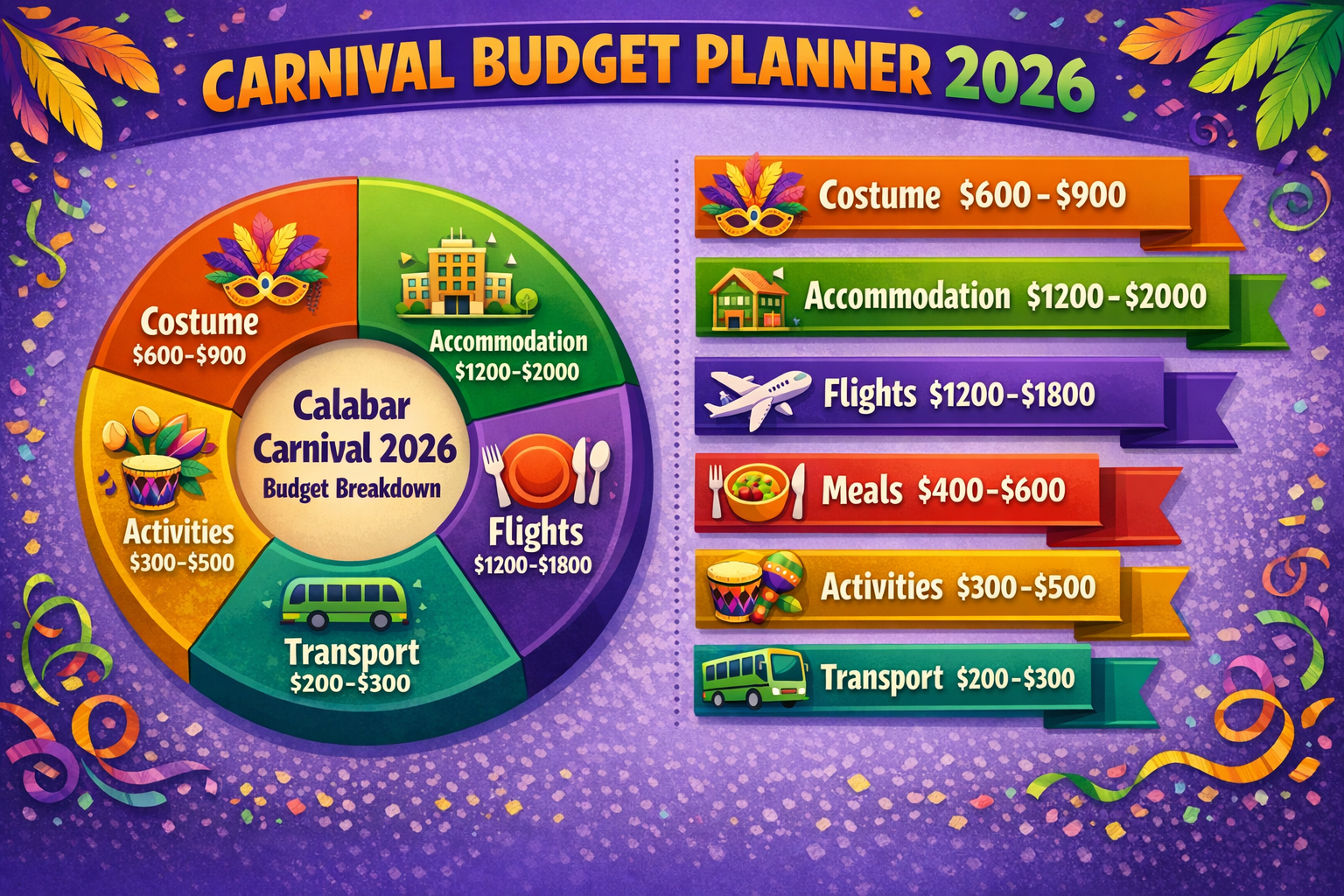
    Comprehensive Budget Breakdown for International Visitors

    | Expense Category | Budget Range | Mid-Range | Premium |
    |——————|————–|———–|———|
    | Costume | $180-$360 | $600-$900 | $1,200-$1,800 |
    | Accommodation (10 nights) | $400-$800 | $1,200-$2,000 | $3,000-$5,000 |
    | Flights | $800-$1,200 | $1,200-$1,800 | $1,800-$3,000 |
    | Meals & Dining | $200-$400 | $400-$600 | $800-$1,200 |
    | Transportation | $100-$200 | $200-$300 | $400-$600 |
    | Entertainment & Fetes | $150-$300 | $300-$500 | $600-$1,000 |
    | Shopping & Souvenirs | $100-$200 | $200-$400 | $500-$800 |
    | TOTAL ESTIMATED | $1,930-$3,460 | $4,100-$6,500 | $8,300-$13,400 |

    Money-Saving Tips

  • Book accommodations outside city center with reliable transportation
  • Share costume costs through group bookings
  • Eat at local restaurants rather than hotel dining
  • Use ride-sharing apps instead of hotel transportation
  • Attend free public events and cultural exhibitions
  • Purchase souvenirs at local markets rather than hotel shops
  • 6.3 Travel Logistics

    Visa Requirements
    Most international visitors require Nigerian visas:

  • Tourist Visa: Valid for 30 days, requires invitation letter
  • Business Visa: For those attending as media or industry professionals
  • Visa on Arrival: Available for citizens of ECOWAS countries
  • Processing Time: 5-10 business days for most countries
  • Required Documents: Passport, photos, bank statements, accommodation proof
  • Flights to Calabar
    Margaret Ekpo International Airport (CBQ) serves Calabar with connections through:

  • Lagos (LOS): Multiple daily flights, 1.5-hour duration
  • Abuja (ABV): Daily flights, 1-hour duration
  • Port Harcourt (PHC): Regional connections, 45-minute flight
  • Currency and Payments

  • Nigerian Naira (₦): Official currency
  • Exchange Rate: Approximately ₦420 = $1 USD (2025 rates)
  • Cash Requirements: Many vendors accept only cash
  • ATM Availability: Limited during carnival; withdraw in advance
  • Credit Cards: Accepted at major hotels and restaurants
  • 6.4 Accommodation

    Hotels in Calabar City Center
    Premium Options:

  • Transcorp Hotels Calabar: 5-star luxury with carnival packages
  • Axari Hotel & Suites: Modern amenities and central location
  • Channel View Hotel: Waterfront location with river views
  • Mid-Range Options:

  • Calabar Beach Resort: Beach access and carnival shuttle service
  • Mirage Hotel: Clean, comfortable accommodations
  • Monty Suites: Business hotel with good amenities
  • Budget Options:

  • Merryfield Hotel: Basic but clean accommodations
  • Various Guest Houses: Local accommodations with cultural immersion
  • Airbnb and Alternative Accommodations

  • Entire Apartments: $50-$150 per night
  • Private Rooms: $25-$75 per night
  • Shared Accommodations: Budget options for solo travelers
  • Verification Important: Ensure legitimate listings with good reviews
  • Areas to Stay and Safety Considerations
    Recommended Areas:

  • Calabar Municipal: City center with easy access to events
  • Calabar South: Residential area with good security
  • State Housing Estate: Quiet, safe neighborhood
  • Safety Recommendations:

  • Choose accommodations with 24-hour security
  • Avoid isolated areas, especially at night
  • Use hotel safes for valuables and documents
  • Establish check-in protocols with accommodation hosts
  • 7. WHAT TO PACK & WEAR

    7.1 Carnival Day Essentials

    Comfortable Footwear
    The 12-kilometer parade route demands appropriate footwear:

  • Athletic Sneakers: Cushioned, broken-in shoes with good support
  • Avoid: New shoes, high heels, sandals, or flip-flops
  • Backup Pair: Pack extra shoes for foot relief during long parade
  • Foot Care: Blister prevention tape and foot powder
  • Hydration and Sun Protection
    December in Calabar features intense tropical sun and high humidity:

  • Hydration Pack: Hands-free water carrying system
  • Waterproof Sunscreen: SPF 30+ reapplied every 2 hours
  • Wide-Brimmed Hat: Protection when not wearing costume headpiece
  • Cooling Towels: Instant relief from heat and humidity
  • Technology and Communication

  • Waterproof Phone Case: Protection from sweat and potential rain
  • Portable Charger: Extended battery life for photos and communication
  • Backup Battery Pack: Full-day power for intensive phone use
  • Emergency Contact List: Written backup of important numbers
  • Personal Care and Comfort

  • Small Backpack: Hands-free carrying of essentials
  • Quick-Dry Clothing: Under costume wear that manages moisture
  • Personal Hygiene Items: Wet wipes, deodorant, and feminine products
  • Cash in Small Bills: Vendor purchases and tips
  • 7.2 General Packing List

    Climate-Appropriate Clothing
    Calabar’s December climate features:

  • Temperature: 75-85°F (24-29°C) daily
  • Humidity: 70-85% throughout the month
  • Rainfall: Minimal during dry season
  • Recommended Fabrics: Cotton, linen, moisture-wicking synthetics
  • Essential Clothing Items:

  • Lightweight, breathable shirts (5-7 pieces)
  • Comfortable shorts and pants (3-4 pieces)
  • Swimwear for hotel pools and beach visits
  • Light jacket or sweater for air-conditioned spaces
  • Comfortable walking shoes and dress shoes
  • Undergarments including moisture-wicking options
  • Health and Safety Items

  • First Aid Kit: Basic medications and bandages
  • Insect Repellent: DEET-based protection against mosquitoes
  • Hand Sanitizer: Personal hygiene maintenance
  • Prescription Medications: Adequate supply plus extras
  • Travel Insurance Documents: Medical coverage information
  • 7.3 Fete Attire

    Festival Wear Guidelines
    Carnival parties and fetes embrace vibrant, comfortable clothing:

  • Bright Colors: Embrace carnival spirit with bold hues
  • Breathable Fabrics: Dancing generates significant body heat
  • Modest Coverage: Respect local cultural norms
  • Comfortable Fit: Allow for extended dancing and movement
  • Footwear for Dancing

  • Comfortable Sneakers: Primary choice for most events
  • Dance Shoes: Lightweight options with good grip
  • Avoid: High heels on uneven surfaces or outdoor venues
  • Themed Events
    Some fetes require specific attire:

  • White Party Events: All-white clothing mandatory
  • Traditional Nights: African-inspired clothing encouraged
  • Beach Parties: Swimwear with cover-ups
  • Formal Events: Business casual to cocktail attire
  • 8. FOOD & DRINK

    8.1 Carnival Food

    Street Food and Road-Side Snacks
    Calabar Carnival 2026 features incredible street food representing Nigeria’s diverse culinary traditions:

    Popular Carnival Snacks:

  • Suya: Spiced grilled meat skewers, perfect for quick energy
  • Puff Puff: Sweet fried dough balls, carnival’s favorite dessert
  • Roasted Corn: Grilled corn with spicy pepper sauce
  • Chin Chin: Crunchy fried pastry cubes for easy snacking
  • Fresh Fruit: Pineapple, watermelon, and oranges for hydration
  • Regional Specialties from Cross River State:

  • Edikang Ikong: Nutritious vegetable soup with meat or fish
  • Afang Soup: Traditional soup with wild vegetables
  • Pepper Soup: Spicy broth perfect for evening recovery
  • Ekpang Nkukwo: Grated cocoyam wrapped in leaves
  • Bush Mango Soup: Local delicacy with unique flavor profile
  • Food Safety and Vendor Selection

  • Choose vendors with high customer turnover
  • Opt for thoroughly cooked, hot foods
  • Avoid raw vegetables and unpeeled fruits from street vendors
  • Stick to bottled or packaged beverages
  • Trust local recommendations for established food spots
  • 8.2 Drinks

    Local Beverages and Refreshments
    Staying hydrated during carnival requires strategic beverage choices:

    Non-Alcoholic Options:

  • Pure Water: Sealed plastic sachets, widely available
  • Bottled Water: International brands available at higher cost
  • Fresh Coconut Water: Natural electrolyte replacement
  • Zobo: Hibiscus-based drink with ginger and spices
  • Fresh Fruit Juices: Orange, pineapple, and watermelon
  • Alcoholic Beverages:

  • Star Beer: Nigeria’s popular lager, light and refreshing
  • Guinness Foreign Extra Stout: Stronger version of Irish Guinness
  • Trophy Beer: Local brewery option
  • Palm Wine: Traditional fermented palm tree sap
  • Local Gin (Ogogoro): Strong traditional spirit, consume cautiously
  • Staying Hydrated Strategy

  • Drink water consistently throughout the day
  • Avoid excessive alcohol consumption in heat
  • Alternate alcoholic drinks with water
  • Monitor urine color for hydration status
  • Seek shade and rest during peak sun hours
  • 8.3 Restaurants & Cuisine

    Recommended Dining Establishments
    Fine Dining:

  • Transcorp Hotels Restaurant: International cuisine with Nigerian specialties
  • Axari Hotel Restaurant: Contemporary African fusion cuisine
  • Channel View Restaurant: Seafood specialties with river views
  • Local Favorites:

  • Mama Calabar Kitchen: Authentic Cross River State cuisine
  • Yellow Chilli: Nigerian chain restaurant with reliable quality
  • Local Bukas: Small restaurants serving traditional Nigerian meals
  • International Options:

  • Chinese Restaurants: Several options in city center
  • Lebanese Cuisine: Middle Eastern restaurants popular with expatriates
  • Fast Food: Limited international chains, local alternatives available
  • 9. SAFETY & TIPS

    9.1 Safety Guidelines

    Personal Security Best Practices
    Calabar Carnival 2026 maintains excellent safety records, but basic precautions ensure worry-free enjoyment:

    Group Travel Strategies:

  • Establish buddy systems with fellow carnival participants
  • Share accommodation and costume band information with travel companions
  • Create group WhatsApp chats for constant communication
  • Designate meeting points at major carnival events
  • Never leave group members behind, especially at night
  • Valuable Item Protection:

  • Use hotel room safes for passports, extra cash, and electronics
  • Carry photocopies of important documents separately from originals
  • Limit daily cash to essential amounts only
  • Avoid wearing expensive jewelry or displaying expensive electronics
  • Consider money belts or hidden pockets for emergency funds
  • Transportation Safety:

  • Use recommended taxi services and ride-sharing apps
  • Avoid unlicensed motorcycle taxis (okadas) especially at night
  • Pre-arrange airport transfers through hotels or verified services
  • Keep hotel business cards for easy communication with drivers
  • Share transportation details with accommodation hosts
  • 9.2 Health Considerations

    Tropical Health Preparedness
    Calabar’s tropical climate requires specific health preparations:

    Heat-Related Health Management:

  • Heat Exhaustion Prevention: Regular rest in shaded areas
  • Hydration Monitoring: Consistent water intake throughout events
  • Electrolyte Replacement: Sports drinks or oral rehydration salts
  • Cooling Strategies: Wet towels, fans, and air-conditioned breaks
  • Warning Signs: Dizziness, nausea, excessive fatigue require immediate attention
  • Foot Care and Blister Prevention:

  • Proper Footwear: Well-fitted, broken-in shoes essential
  • Blister Prevention: Moleskin, tape, or specialized products
  • Daily Foot Inspection: Check for hot spots and early blister formation
  • Foot Powder: Moisture control and friction reduction
  • Rest Periods: Regular foot elevation and massage
  • Medical Facilities and Emergency Contacts:

  • University of Calabar Teaching Hospital: Primary medical facility
  • Private Clinics: Several options for minor medical needs
  • Pharmacy Locations: Medication availability throughout city
  • Emergency Numbers: Nigeria emergency services (199, 911)
  • Travel Insurance: Ensure coverage includes Nigerian medical facilities
  • 9.3 First-Timer Tips

    Carnival Participation Strategies
    Maximizing Your First Calabar Carnival Experience:

    Gradual Event Participation:

  • Start Small: Attend smaller fetes before major events
  • Build Stamina: Gradually increase daily activity levels
  • Learn Rhythms: Practice basic dance moves and carnival steps
  • Cultural Immersion: Engage with local participants and learn traditions
  • Pace Yourself: Avoid exhaustion by planning rest periods
  • Social Integration Techniques:

  • Join Band WhatsApp Groups: Connect with fellow band members
  • Attend Rehearsals: Participate in pre-carnival practice sessions
  • Make Local Friends: Engage with Calabar residents for insider tips
  • Cultural Respect: Learn basic cultural norms and greeting customs
  • Language Basics: Learn simple Efik phrases for local interaction
  • Technology and Information Management:

  • Download Band Apps: Many bands provide mobile apps with schedules
  • Study Parade Routes: Familiarize yourself with carnival geography
  • Save Offline Maps: Ensure navigation capability without internet
  • Emergency Contacts: Program important numbers before events
  • Social Media Strategy: Plan photo and video sharing approaches
  • 10. INTERACTIVE CARNIVAL PLANNER


        Calabar Carnival 2026 Planner
        
            .cg-element-container {
                max-width: 800px;
                margin: 0 auto;
                padding: 20px;
                font-family: 'Arial', sans-serif;
                background: linear-gradient(135deg, #ff6b6b, #4ecdc4);
                border-radius: 15px;
                box-shadow: 0 10px 30px rgba(0,0,0,0.3);
            }
            
            .cg-element-header {
                text-align: center;
                color: white;
                margin-bottom: 30px;
            }
            
            .cg-element-header h2 {
                font-size: 2.2em;
                margin-bottom: 10px;
                text-shadow: 2px 2px 4px rgba(0,0,0,0.5);
            }
            
            .cg-element-form-section {
                background: white;
                padding: 25px;
                border-radius: 10px;
                margin-bottom: 20px;
                box-shadow: 0 5px 15px rgba(0,0,0,0.1);
            }
            
            .cg-element-form-group {
                margin-bottom: 20px;
            }
            
            .cg-element-label {
                display: block;
                font-weight: bold;
                margin-bottom: 8px;
                color: #333;
                font-size: 1.1em;
            }
            
            .cg-element-select, .cg-element-input {
                width: 100%;
                padding: 12px;
                border: 2px solid #ddd;
                border-radius: 8px;
                font-size: 16px;
                transition: border-color 0.3s ease;
            }
            
            .cg-element-select:focus, .cg-element-input:focus {
                border-color: #4ecdc4;
                outline: none;
            }
            
            .cg-element-checkbox-group {
                display: grid;
                grid-template-columns: repeat(auto-fit, minmax(200px, 1fr));
                gap: 15px;
                margin-top: 10px;
            }
            
            .cg-element-checkbox-item {
                display: flex;
                align-items: center;
                padding: 10px;
                background: #f8f9fa;
                border-radius: 8px;
                transition: background-color 0.3s ease;
            }
            
            .cg-element-checkbox-item:hover {
                background: #e9ecef;
            }
            
            .cg-element-checkbox {
                margin-right: 10px;
                transform: scale(1.2);
            }
            
            .cg-element-calculate-btn {
                width: 100%;
                padding: 15px;
                background: linear-gradient(135deg, #ff6b6b, #ff8e53);
                color: white;
                border: none;
                border-radius: 10px;
                font-size: 1.3em;
                font-weight: bold;
                cursor: pointer;
                transition: transform 0.3s ease;
                text-transform: uppercase;
                letter-spacing: 1px;
            }
            
            .cg-element-calculate-btn:hover {
                transform: translateY(-2px);
                box-shadow: 0 5px 15px rgba(255,107,107,0.4);
            }
            
            .cg-element-results {
                background: white;
                padding: 25px;
                border-radius: 10px;
                margin-top: 20px;
                box-shadow: 0 5px 15px rgba(0,0,0,0.1);
                display: none;
            }
            
            .cg-element-results.show {
                display: block;
                animation: slideIn 0.5s ease;
            }
            
            @keyframes slideIn {
                from { opacity: 0; transform: translateY(20px); }
                to { opacity: 1; transform: translateY(0); }
            }
            
            .cg-element-budget-breakdown {
                display: grid;
                grid-template-columns: repeat(auto-fit, minmax(250px, 1fr));
                gap: 20px;
                margin-top: 20px;
            }
            
            .cg-element-budget-item {
                padding: 15px;
                background: linear-gradient(135deg, #667eea, #764ba2);
                color: white;
                border-radius: 10px;
                text-align: center;
            }
            
            .cg-element-budget-item h4 {
                margin: 0 0 10px 0;
                font-size: 1.1em;
            }
            
            .cg-element-budget-item .amount {
                font-size: 1.5em;
                font-weight: bold;
            }
            
            .cg-element-total {
                background: linear-gradient(135deg, #ff6b6b, #4ecdc4);
                padding: 20px;
                border-radius: 10px;
                text-align: center;
                color: white;
                margin-top: 20px;
            }
            
            .cg-element-total h3 {
                margin: 0 0 10px 0;
                font-size: 1.5em;
            }
            
            .cg-element-total .total-amount {
                font-size: 2.5em;
                font-weight: bold;
            }
            
            .cg-element-recommendations {
                margin-top: 20px;
                padding: 20px;
                background: #f8f9fa;
                border-radius: 10px;
                border-left: 5px solid #4ecdc4;
            }
            
            .cg-element-recommendations h4 {
                color: #333;
                margin-bottom: 15px;
            }
            
            .cg-element-recommendations ul {
                list-style-type: none;
                padding: 0;
            }
            
            .cg-element-recommendations li {
                padding: 8px 0;
                border-bottom: 1px solid #dee2e6;
            }
            
            .cg-element-recommendations li:last-child {
                border-bottom: none;
            }
            
            @media (max-width: 768px) {
                .cg-element-container {
                    padding: 15px;
                    margin: 10px;
                }
                
                .cg-element-header h2 {
                    font-size: 1.8em;
                }
                
                .cg-element-checkbox-group {
                    grid-template-columns: 1fr;
                }
            }


    🎭 Calabar Carnival 2026 Budget Planner

    Plan your perfect carnival experience with our comprehensive budget calculator

    5 Days 7 Days 10 Days 14 Days
    Budget ($40-80/night) Mid-Range ($120-200/night) Luxury ($300-500/night)
    No Band Participation Backline Costume ($180-360) Mid-Section Costume ($600-900) Frontline Costume ($1200-1800)

    Your Calabar Carnival 2026 Budget

    function calculateBudget() { const days = parseInt(document.getElementById('days').value); const accommodation = document.getElementById('accommodation').value; const costume = document.getElementById('costume').value; let budget = { accommodation: 0, costume: 0, meals: 0, flights: 1200, activities: 0, transport: 150, misc: 0 }; // Calculate accommodation const accomRates = { budget: 60, mid: 160, luxury: 400 }; budget.accommodation = accomRates[accommodation] * days; // Calculate costume costs const costumeRates = { none: 0, backline: 270, midsection: 750, frontline: 1500 }; budget.costume = costumeRates[costume]; // Calculate meals budget.meals = days * 45; // Calculate activities const activities = [ { id: 'fetes', cost: 400 }, { id: 'cultural', cost: 200 }, { id: 'excursions', cost: 300 }, { id: 'shopping', cost: 300 }, { id: 'photography', cost: 225 }, { id: 'transport', cost: 250 } ]; activities.forEach(activity => { if (document.getElementById(activity.id).checked) { if (activity.id === 'transport') { budget.transport += activity.cost; } else { budget.activities += activity.cost; } } }); // Miscellaneous (10% of total) const subtotal = Object.values(budget).reduce((a, b) => a + b, 0); budget.misc = Math.round(subtotal * 0.1); displayResults(budget, days); } function displayResults(budget, days) { const total = Object.values(budget).reduce((a, b) => a + b, 0); const breakdown = document.getElementById('breakdown'); breakdown.innerHTML = `

    🏨 Accommodation

    $${budget.accommodation}

    👗 Costume

    $${budget.costume}

    ✈️ Flights

    $${budget.flights}

    🍽️ Meals

    $${budget.meals}

    🎉 Activities

    $${budget.activities}

    🚗 Transport

    $${budget.transport}
    `; const totalDiv = document.getElementById('total'); totalDiv.innerHTML = `

    Total Estimated Budget

    $${total}

    For ${days} days at Calabar Carnival 2026

    `; const recommendations = document.getElementById('recommendations'); let tips = []; if (total 4000) { tips.push("You're planning a luxury carnival experience! Consider VIP packages for added convenience."); tips.push("Book premium accommodations with carnival shuttle services."); } else { tips.push("Well-balanced budget for a great carnival experience!"); tips.push("Consider booking costume and accommodation packages for potential discounts."); } tips.push("Start booking flights 6-8 months in advance for best prices."); tips.push("Join carnival Facebook groups for insider tips and group discounts."); tips.push("Consider travel insurance for international trips."); recommendations.innerHTML = `

    💡 Recommendations for Your Budget

      ${tips.map(tip =>
    • • ${tip}
    • ).join('')}
    `; document.getElementById('results').classList.add('show'); document.getElementById('results').scrollIntoView({ behavior: 'smooth' }); }

    11. PHOTOGRAPHY & MEDIA

    11.1 Photography Tips

    Capturing the Perfect Carnival Moments
    Calabar Carnival 2026 offers countless photography opportunities, from elaborate costume details to massive crowd celebrations. Successful carnival photography requires preparation, proper equipment, and understanding of optimal shooting conditions.

    Best Spots for Photos
    Premium Photography Locations:

  • Millennium Park: Main judging platform with elevated views
  • Calabar Cultural Centre: Architectural backdrop for costume portraits
  • Calabar River Waterfront: Scenic backgrounds with natural lighting
  • MCC Road: Wide avenue perfect for parade action shots
  • U.J. Esuene Stadium: Grand finale location with dramatic lighting
  • Camera Equipment Recommendations:

  • DSLR or Mirrorless Camera: Superior image quality and low-light performance
  • Wide-Angle Lens: Capture expansive parade scenes and crowd shots
  • Telephoto Lens: Close-up costume details from safe distances
  • Extra Batteries: Extended shooting requires multiple power sources
  • Memory Cards: High-capacity storage for thousands of photos
  • Hiring Professional Photographers
    Many carnival participants hire local photographers for comprehensive coverage:

  • Package Rates: $200-$500 for full-day carnival coverage
  • Included Services: Edited digital gallery, social media packages
  • Advance Booking: Reserve photographers during costume sales period
  • Portfolio Review: Examine previous carnival work before booking
  • 11.2 Social Media

    Hashtag Strategy for Maximum Reach
    Essential Calabar Carnival 2026 Hashtags:

  • #CalabarCarnival2026 – Primary event hashtag
  • #AfricasBiggestStreetParty – Official carnival slogan
  • #CalabarCarnival – General carnival hashtag
  • #NigeriaCarnival – National carnival representation
  • #CrossRiverState – Regional location tag
  • #CarnivalCostume – Costume-specific posts
  • #CarnivalLife – Lifestyle and experience content
  • Real-Time Social Media Strategy:

  • Instagram Stories: Behind-the-scenes costume preparation and daily activities
  • Facebook Live: Real-time parade coverage and event streaming
  • TikTok Videos: Short-form dance and costume content
  • Twitter Updates: Quick event updates and location sharing
  • YouTube Vlogs: Comprehensive carnival experience documentation
  • Following Official Carnival Channels:

  • @CalabarCarnival – Official Instagram account
  • Calabar Carnival Commission – Facebook page
  • Cross River State Tourism – Regional tourism updates
  • Individual Band Pages – Specific band news and updates
  • 11.3 Capturing Memories

    Video Documentation Strategies
    Equipment Recommendations:

  • GoPro or Action Camera: Hands-free recording during parade participation
  • Smartphone Stabilizers: Professional-quality mobile video recording
  • External Microphones: Clear audio recording in noisy carnival environment
  • Drone Photography: Aerial carnival footage (check local regulations)
  • Professional Photo Packages
    Many bands offer professional photography services:

  • Band Photographer Access: Professional photos throughout carnival events
  • Digital Gallery: Online access to high-resolution images
  • Print Packages: Professional prints and photo books
  • Social Media Rights: Permission to use photos for personal sharing
  • Copyright and Privacy Considerations

  • Respect Others’ Privacy: Ask permission before photographing individuals
  • Commercial Use Restrictions: Understand limitations on photo sales
  • Band Photography Rules: Follow specific band guidelines for photo sharing
  • Cultural Sensitivity: Respect traditional and religious elements
  • 12. BEYOND CARNIVAL

    12.1 Exploring Cross River State

    Natural Attractions and Adventure Tourism
    Cross River State offers incredible attractions beyond carnival celebrations:

    Obudu Mountain Resort
    Located 3 hours from Calabar, this mountain resort features:

  • Cable Car System: 1.2-kilometer scenic cable car ride
  • Mountain Lodge: Luxury accommodations at 5,200 feet elevation
  • Hiking Trails: Various difficulty levels through tropical forest
  • Cool Climate: Refreshing break from coastal humidity
  • Adventure Activities: Zip-lining, mountain biking, and rock climbing
  • Cross River National Park
    One of Nigeria’s most biodiverse protected areas:

  • Rainforest Ecosystem: Primary and secondary forest preservation
  • Wildlife Viewing: Monkeys, forest elephants, and rare bird species
  • Canopy Walkway: Elevated walkway through forest canopy
  • Research Stations: Educational programs and guided tours
  • Community Tourism: Local guide employment and cultural exchange
  • Calabar Beaches and Waterfront

  • Marina Resort Beach: Private beach club with restaurant facilities
  • Tinapa Business Resort: Waterfront shopping and entertainment complex
  • Calabar River Cruises: Sunset boat trips and fishing excursions
  • Mangrove Tours: Ecological tours through coastal wetlands
  • 12.2 Cultural Sites and Historical Attractions

    Historical Calabar
    The city’s rich history as a major Atlantic trading port offers numerous cultural attractions:

    Old Residency Museum
    Former British colonial administrative building featuring:

  • Colonial Architecture: Preserved 19th-century British colonial design
  • Historical Exhibits: Artifacts from pre-colonial and colonial periods
  • Slave Trade History: Educational exhibits on Atlantic slave trade
  • Cultural Artifacts: Traditional Cross River State cultural items
  • Mary Slessor’s House
    Preserved home of Scottish missionary Mary Slessor:

  • Historical Significance: Important figure in Nigerian colonial history
  • Educational Tours: Guided tours explaining missionary impact
  • Cultural Bridge: Understanding of cultural exchange history
  • Architectural Interest: Traditional colonial residential architecture
  • Traditional Ruler’s Palaces

  • Obong of Calabar Palace: Traditional ruler’s residence with cultural significance
  • Cultural Protocols: Understanding traditional governance systems
  • Architectural Heritage: Traditional Efik architectural styles
  • Cultural Ceremonies: Occasional traditional events and celebrations
  • 12.3 Post-Carnival Activities

    Recovery and Relaxation Options
    After intensive carnival participation, many visitors seek relaxation activities:

    Spa and Wellness Services

  • Hotel Spa Services: Professional massage and wellness treatments
  • Traditional Healing: Local herbal medicine and traditional massage
  • Beach Relaxation: Quiet beach areas for rest and recovery
  • Yoga and Meditation: Some hotels offer wellness programs
  • Adventure and Nature Activities
    For active recovery from carnival celebrations:

  • Hiking Expeditions: Day trips to nearby hills and forest areas
  • River Activities: Kayaking, fishing, and boat tours
  • Bird Watching: Cross River State hosts over 350 bird species
  • Photography Tours: Capturing natural beauty beyond carnival scenes
  • Cultural Immersion Programs
    Extended cultural learning opportunities:

  • Traditional Craft Workshops: Learning local artisan skills
  • Cooking Classes: Nigerian cuisine instruction with local families
  • Language Lessons: Basic Efik language instruction
  • Community Visits: Rural community cultural exchange programs
  • 13. CARNIVAL INDUSTRY

    13.1 Behind the Scenes: Costume Creation

    How Costumes Are Made
    The creation of Calabar Carnival 2026 costumes represents months of intensive artistic labor involving hundreds of skilled craftspeople. The process begins immediately after the previous year’s carnival, with design teams conceptualizing themes and creating initial sketches.

    Design and Development Process:

  • January-March: Theme development and initial concept sketches
  • April-June: Detailed design finalization and material sourcing
  • July-September: Prototype creation and design testing
  • October-December: Mass production and final assembly
  • Materials and Construction Techniques:

  • Wire Framework: Aluminum wire bent into elaborate shapes for headpieces
  • Fabric Selection: Lightweight, colorful materials resistant to heat and moisture
  • Beadwork and Embellishments: Hand-sewn sequins, beads, and crystals
  • Feather Arrangements: Imported and local feathers arranged in artistic patterns
  • LED Integration: Battery-powered lighting systems for evening visibility
  • Artisan Communities
    Costume creation supports hundreds of local artisans:

  • Wire Benders: Specialists creating structural frameworks
  • Seamstresses: Skilled fabric workers creating bodywear and accessories
  • Bead Workers: Artists creating intricate beadwork patterns
  • Feather Arrangers: Specialists in feather selection and arrangement
  • Assembly Teams: Coordinating final costume construction
  • 13.2 Economic Impact

    Tourism Statistics and Revenue Generation
    Calabar Carnival generates significant economic impact for Cross River State and Nigeria:

    Annual Economic Contributions:

  • Direct Tourism Revenue: $150-200 million annually
  • Employment Generation: 50,000+ temporary and permanent jobs
  • Hotel Occupancy: 95%+ occupancy rates during carnival period
  • Restaurant Revenue: 400% increase during carnival month
  • Transportation Revenue: Significant increases in air and ground transportation
  • Industry Size and Scope:

  • Visitor Numbers: 2+ million annual participants
  • International Visitors: 15-20% of total attendance
  • Regional Visitors: 60% from other Nigerian states
  • Local Participation: 25% Cross River State residents
  • Sponsorship and Investment:
    Major corporate sponsors invest heavily in carnival success:

  • Telecommunications Companies: MTN, Airtel, and Glo provide communication infrastructure
  • Banking Institutions: Financial services and payment processing
  • Beverage Companies: Star Beer, Guinness, and Coca-Cola sponsor events
  • Airlines: Domestic airlines offer carnival packages and promotions
  • 13.3 Carnival Arts and Craftsmanship

    Traditional Craft Preservation
    Calabar Carnival serves as a vital platform for preserving and promoting traditional Nigerian crafts:

    Wire Bending Artistry

  • Skill Development: Training programs for young artisans
  • Design Innovation: Combining traditional techniques with contemporary aesthetics
  • Economic Opportunities: Sustainable income for skilled craftspeople
  • Cultural Preservation: Maintaining traditional metalworking techniques
  • Costume Design Evolution

  • African Mythology Integration: Incorporating traditional stories and symbols
  • Contemporary Themes: Addressing modern social and environmental issues
  • International Influences: Blending global carnival traditions with African heritage
  • Technology Integration: LED lighting and modern materials enhancing traditional designs
  • Makeup and Body Art

  • Professional Makeup Artists: Specialized carnival makeup techniques
  • Body Painting Traditions: Traditional African body art adapted for carnival
  • Cultural Symbols: Meaningful patterns and designs with historical significance
  • Modern Techniques: Contemporary makeup artistry enhancing traditional elements
  • 14. FAMILY CARNIVAL

    14.1 Kiddies Carnival

    Children’s Participation in Calabar Carnival 2026
    Calabar Carnival embraces family participation through dedicated children’s events and age-appropriate activities. The Kiddies Carnival, typically held on December 26, 2026, provides a safe, fun environment for young carnival enthusiasts.

    Age Groups and Categories:

  • Ages 3-6: Simple costumes with parent accompaniment
  • Ages 7-12: Independent participation with supervised activities
  • Ages 13-16: Teen categories with more elaborate costume options
  • Family Groups: Multi-generational participation opportunities
  • Children’s Carnival Bands:
    Several bands specialize in family-friendly participation:

  • Little Angels Band: Ages 3-8 with fairy tale and cartoon themes
  • Young Warriors Band: Ages 9-14 with superhero and adventure themes
  • Future Stars Band: Teen-focused band with contemporary music themes
  • Family Unity Band: Multi-generational band welcoming all ages
  • Safety Measures for Children:

  • Adult Supervision Requirements: Mandatory adult accompaniment for children under 12
  • Medical Support: Dedicated medical stations along children’s parade routes
  • Hydration Stations: Special attention to children’s hydration needs
  • Rest Areas: Designated spaces for children’s rest and recovery
  • Lost Child Protocols: Comprehensive systems for reuniting separated families
  • 14.2 Family-Friendly Options

    Daytime Events and Activities
    Families with children can enjoy numerous daytime carnival activities:

    Cultural Exhibitions:

  • Interactive Displays: Hands-on learning about Nigerian culture
  • Traditional Games: African children’s games and activities
  • Storytelling Sessions: Traditional Nigerian folk tales and legends
  • Craft Workshops: Simple craft projects for children
  • Music Lessons: Introduction to traditional Nigerian instruments
  • Family Viewing Areas:

  • Designated Family Sections: Safe viewing areas along parade routes
  • Shade Structures: Protection from sun and weather
  • Child-Friendly Facilities: Restrooms and changing areas
  • Food Vendors: Family-appropriate food options
  • Emergency Services: Quick access to medical assistance
  • Accommodation Considerations for Families:

  • Family Rooms: Hotels offering connecting rooms and family suites
  • Child-Friendly Amenities: Swimming pools, play areas, and babysitting services
  • Safety Features: Secure accommodations with family-oriented security measures
  • Proximity to Events: Locations minimizing travel time with children
  • 15. SUSTAINABILITY & RESPONSIBILITY

    15.1 Environmental Considerations

    Calabar Carnival 2026 increasingly emphasizes environmental sustainability and responsible tourism practices. The carnival organizers recognize the importance of preserving Cross River State’s natural beauty while hosting millions of visitors.

    Costume Recycling and Reuse Programs

  • Post-Carnival Collection: Organized collection of costumes for recycling
  • Material Recovery: Separating reusable materials like wire, beads, and fabric
  • Community Workshops: Teaching costume repair and modification techniques
  • Donation Programs: Providing costumes to schools and community groups
  • Artisan Support: Employing local craftspeople in recycling efforts
  • Waste Management Initiatives

  • Recycling Stations: Strategically placed recycling bins throughout carnival routes
  • Biodegradable Materials: Encouraging use of environmentally-friendly costume materials
  • Clean-Up Crews: Professional cleaning teams maintaining carnival areas
  • Volunteer Programs: Community volunteers participating in environmental protection
  • Education Campaigns: Raising awareness about environmental responsibility
  • Eco-Friendly Practices

  • Public Transportation: Promoting mass transit and reducing individual vehicle use
  • Local Sourcing: Prioritizing local materials and suppliers
  • Energy Efficiency: LED lighting and renewable energy where possible
  • Water Conservation: Efficient water use in carnival facilities and events
  • 15.2 Cultural Respect and Awareness

    Understanding Traditional Elements
    Visitors to Calabar Carnival 2026 should approach the celebration with cultural sensitivity and respect for Nigerian traditions:

    Traditional Costume Elements:

  • Sacred Symbols: Understanding the meaning behind traditional patterns and designs
  • Religious Significance: Respecting spiritual elements incorporated into carnival themes
  • Cultural Protocols: Following appropriate behavior during traditional ceremonies
  • Photography Etiquette: Asking permission before photographing traditional performers
  • Supporting Local Artisans and Communities

  • Fair Trade Practices: Ensuring artisans receive fair compensation for their work
  • Skill Development: Supporting training programs for local craftspeople
  • Cultural Preservation: Contributing to the maintenance of traditional art forms
  • Community Partnerships: Engaging with local communities as partners, not just service providers
  • Avoiding Cultural Appropriation

  • Educational Approach: Learning about cultural significance before participation
  • Respectful Participation: Engaging authentically rather than superficially
  • Local Guidance: Seeking advice from local cultural experts and community leaders
  • Meaningful Engagement: Contributing positively to cultural preservation efforts
  • 15.3 Community Impact and Responsible Tourism

    Supporting Local Businesses
    Responsible carnival visitors prioritize supporting Cross River State’s local economy:

    Local Business Priorities:

  • Family-Owned Restaurants: Choosing local eateries over international chains
  • Artisan Markets: Purchasing crafts and souvenirs directly from makers
  • Local Transportation: Using local taxi services and tour operators
  • Community Accommodations: Staying in locally-owned guest houses and hotels
  • Tipping and Gratuity Guidelines

  • Service Industry Workers: Appropriate tipping for exceptional service
  • Artisans and Craftspeople: Fair payment for custom work and demonstrations
  • Tour Guides: Recognition for cultural education and guidance
  • Transportation Providers: Appreciation for safe and reliable service
  • Giving Back to the Community
    Many carnival visitors choose to contribute to local development:

  • Educational Donations: Supporting schools and educational programs
  • Healthcare Contributions: Assisting local medical facilities and programs
  • Infrastructure Support: Contributing to community development projects
  • Skill Sharing: Offering professional expertise to local organizations
  • 16. RESOURCES

    16.1 Official Information Sources

    Government and Official Carnival Organizations
    For authoritative information about Calabar Carnival 2026, visitors should consult official sources:

    Cross River State Carnival Commission (CRSCC)

  • Website: www.crossriverstate.gov.ng/carnival
  • Email: info@crossriverstate.gov.ng
  • Phone: +234-87-230-xxx (updated numbers available closer to event)
  • Office Location: Calabar Cultural Centre, Calabar, Cross River State
  • Cross River State Tourism Bureau

  • Website: www.crossrivertourism.com
  • Email: tourism@crossriverstate.gov.ng
  • Services: Official accommodation bookings, tour packages, and visitor information
  • Brochures: Comprehensive carnival guides and state tourism information
  • Nigerian Embassy and Consulate Contacts
    International visitors should contact Nigerian diplomatic missions for visa and travel information:

  • United States: Nigerian Embassy, Washington DC
  • United Kingdom: Nigerian High Commission, London
  • Canada: Nigerian High Commission, Ottawa
  • South Africa: Nigerian High Commission, Pretoria
  • Ghana: Nigerian High Commission, Accra
  • 16.2 Carnival Apps and Digital Tools

    Official Carnival Mobile Applications
    Several digital tools enhance the carnival experience:

    Calabar Carnival Official App (Available December 2026)

  • Event Schedules: Real-time updates on carnival events and timing
  • Interactive Maps: Detailed maps of parade routes and event locations
  • Band Information: Comprehensive details about all carnival bands
  • Emergency Contacts: Quick access to security and medical services
  • Social Features: Connect with other carnival participants
  • Band-Specific Applications
    Major carnival bands often develop dedicated apps:

  • Costume Tracking: Monitor costume preparation and collection
  • Rehearsal Schedules: Band practice times and location updates
  • Member Communication: Internal messaging and coordination
  • Photo Sharing: Band member photo galleries and memories
  • General Travel and Navigation Apps

  • Google Maps: Offline maps and navigation for Calabar
  • Uber/Bolt: Ride-sharing services available in Calabar
  • Google Translate: Language assistance for international visitors
  • Weather Apps: Local weather forecasts and conditions
  • 16.3 Community Resources and Support Networks

    Online Communities and Forums
    Calabar Carnival Facebook Groups:

  • Calabar Carnival International Visitors: Support for international participants
  • Carnival Costume Exchange: Buying, selling, and trading costume information
  • Calabar Carnival Photography: Sharing photos and photography tips
  • First-Time Carnival Visitors: Advice and support for newcomers
  • WhatsApp Communities
    Many carnival participants join WhatsApp groups for real-time communication:

  • Band Member Groups: Specific to individual carnival bands
  • Accommodation Groups: Guests staying at the same hotels or areas
  • International Visitor Groups: Country-specific visitor support
  • Local Guide Networks: Connecting with local carnival experts
  • Local Contacts and Concierge Services

  • Hotel Concierge Services: Professional assistance with carnival planning
  • Local Tour Operators: Calabar-based companies specializing in carnival tours
  • Cultural Consultants: Local experts offering cultural guidance and education
  • Transportation Coordinators: Specialists in carnival-period logistics
  • 16.4 Frequently Asked Questions

    First-Timer FAQs

    Q: When should I book my costume for Calabar Carnival 2026?
    A: Costume sales typically begin in July 2026. Early bird pricing offers 15-20% discounts through August. Popular costume sections sell out by October, so booking by September ensures the best selection and pricing.

    Q: Do I need special vaccinations for travel to Nigeria?
    A: Yellow fever vaccination is mandatory for entry into Nigeria. Consult your healthcare provider about additional recommended vaccinations including hepatitis A/B, typhoid, and meningitis. Malaria prophylaxis is also recommended.

    Q: How safe is Calabar during carnival season?
    A: Calabar maintains excellent safety records during carnival with heavy security presence. Basic precautions include traveling in groups, securing valuables, and staying in recommended accommodations. The carnival attracts international visitors safely each year.

    Q: What’s the weather like in December in Calabar?
    A: December is dry season with temperatures of 75-85°F (24-29°C) and humidity of 70-85%. Rain is minimal, making it ideal carnival weather. Pack lightweight, breathable clothing and strong sunscreen.

    Costume and Participation FAQs

    Q: Can I participate in the parade without joining a band?
    A: Yes, independent participants can register for individual mas (₦25,000 fee) and create personal costumes. However, joining a band provides better support, positioning, and overall experience.

    Q: Are there modest costume options available?
    A: Yes, all bands offer various coverage levels. Many costumes include full-coverage options respecting cultural and personal preferences. Discuss coverage requirements during costume selection.

    Q: What happens if it rains during the parade?
    A: Calabar Carnival proceeds rain or shine. Costumes are designed to withstand light rain, but heavy downpours may cause temporary delays. December is dry season, making rain unlikely.

    Travel and Logistics FAQs

    Q: How far in advance should I book accommodations?
    A: Book accommodations 6-8 months in advance. Calabar hotels fill completely during carnival, and prices increase significantly closer to the event. Consider staying in nearby areas with transportation to carnival events.

    Q: Is it better to fly directly to Calabar or connect through Lagos?
    A: Most international visitors fly to Lagos (LOS) and connect to Calabar (CBQ). Direct international flights to Calabar are limited. Allow extra time for domestic connections and potential delays.

    Q: What currency should I bring, and are credit cards accepted?
    A: Bring US dollars for exchange to Nigerian Naira. Credit cards are accepted at major hotels and restaurants, but many vendors and services require cash. ATMs are limited during carnival, so plan accordingly.

    Conclusion

    Calabar Carnival 2026 represents more than just a spectacular celebration—it’s a transformative cultural experience that connects visitors with the vibrant heart of African tradition and contemporary creativity. From the moment participants don their elaborate costumes to the final beats of the closing ceremonies, this extraordinary festival offers an immersive journey into Nigeria’s rich cultural heritage.

    The carnival’s evolution from a modest local celebration to Africa’s biggest street party demonstrates the power of cultural preservation combined with innovative presentation. As over two million people gather in Calabar each December, they participate in something far greater than entertainment—they become part of a living cultural legacy that bridges traditional African values with global carnival traditions.

    For international visitors, Calabar Carnival 2026 offers an unparalleled opportunity to experience authentic African culture while enjoying world-class entertainment. The festival’s emphasis on community participation, cultural education, and sustainable tourism creates meaningful connections between visitors and local communities that extend far beyond the carnival period.

    The comprehensiveplanning required for carnival participation—from costume selection to accommodation booking—becomes part of the adventure itself. The months of anticipation, preparation, and cultural learning transform casual tourists into passionate carnival ambassadors who return year after year and encourage others to experience this remarkable celebration.

    Key Action Steps for Calabar Carnival 2026:

  • Start Planning Early: Begin costume and accommodation research in January 2026 to secure the best options and pricing
  • Budget Strategically: Allocate $2,000-$4,000 for a comprehensive carnival experience, booking major expenses 6-8 months in advance
  • Embrace Cultural Learning: Engage with Nigerian culture through music, food, and traditions before arriving in Calabar
  • Prioritize Safety and Health: Obtain necessary vaccinations, purchase travel insurance, and plan for tropical climate conditions
  • Connect with Community: Join carnival social media groups, attend band rehearsals, and build relationships with fellow participants
  • The transformative power of Calabar Carnival lies not just in its spectacular visual displays, but in its ability to create lasting connections between people from diverse backgrounds united by celebration, creativity, and cultural appreciation. As participants dance through the streets of Calabar, they become temporary citizens of a global community that transcends nationality, language, and cultural differences.

    Whether choosing an elaborate frontline costume or a comfortable backline option, participating in exclusive fetes or enjoying free cultural exhibitions, every visitor contributes to the carnival’s magic while taking home memories that last a lifetime. The festival’s commitment to cultural preservation, environmental sustainability, and community development ensures that each participant becomes part of a celebration that honors the past while building toward a more connected and culturally rich future.

    Calabar Carnival 2026 awaits with open arms, elaborate costumes, infectious rhythms, and the promise of an experience that will forever change how you understand the power of cultural celebration. The streets of Calabar are calling—will you answer with your dancing feet and open heart?

    SEO Meta Information:

    Meta Title: Calabar Carnival 2026: Complete Guide to Africa’s Biggest Street Party

    Meta Description: Discover everything you need for Calabar Carnival 2026! Complete guide to costumes, bands, budgeting, travel tips, and Nigeria’s spectacular cultural celebration.

    Leave a Reply