Diwali India 2026: Complete Guide to the Festival of Lights Celebration
Picture this: As darkness falls across India, millions of tiny flames begin to flicker to life, transforming the entire subcontinent into a breathtaking canvas of light. From the bustling streets of Mumbai to the ancient ghats of Varanasi, Diwali India 2026 promises to be one of the most spectacular celebrations of the year. This isn’t just a festival—it’s a five-day spiritual journey that unites over a billion people in joy, hope, and renewal.
Whether you’re planning your first Diwali experience in India or you’re a seasoned traveler looking to dive deeper into this magnificent celebration, 2026 offers unique opportunities to witness traditions that have been cherished for thousands of years. From the economic boom of festive shopping to the spiritual significance of each ritual, Diwali represents the perfect blend of ancient wisdom and modern celebration.
Key Takeaways
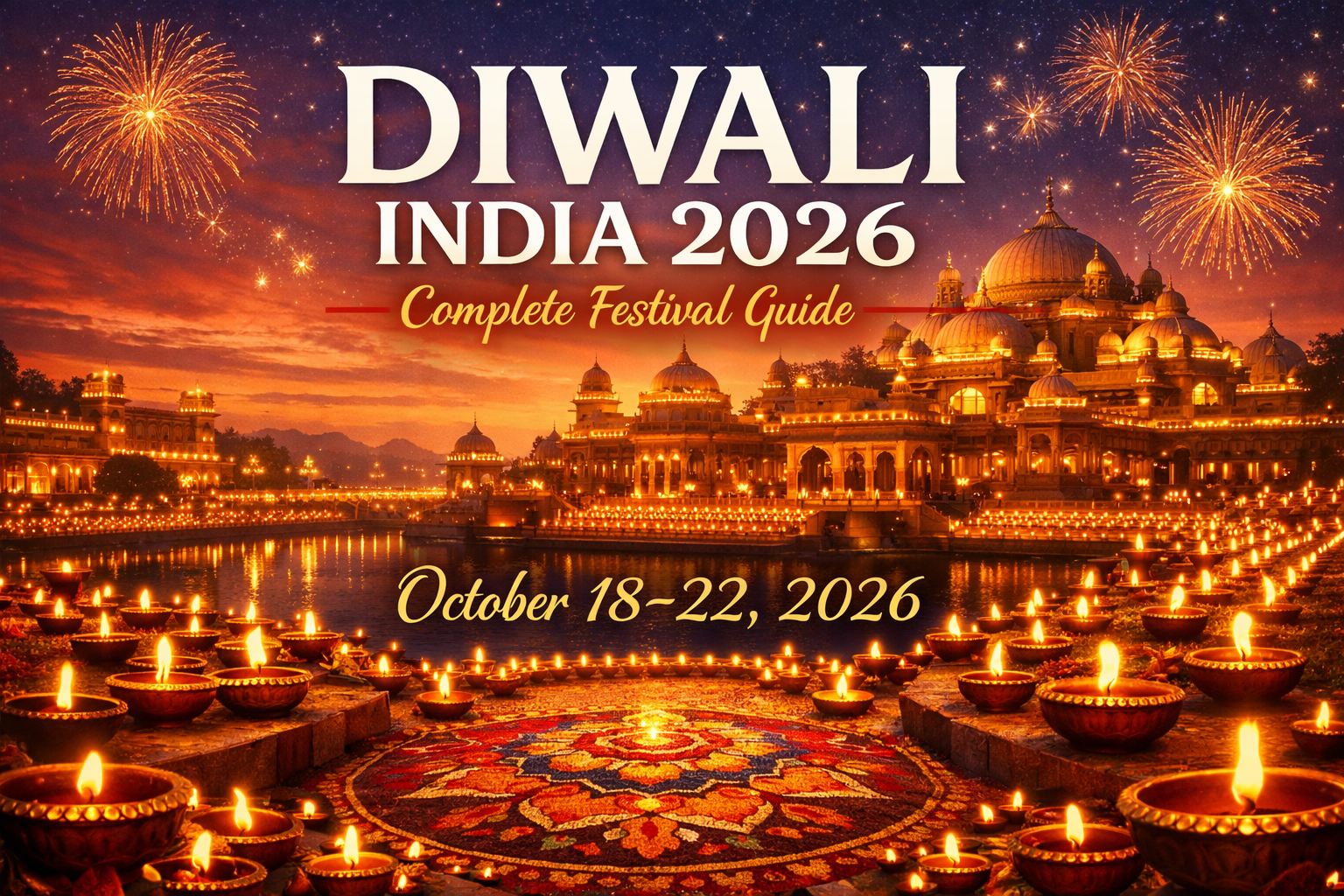
• Diwali 2026 will be celebrated on October 20th, with festivities spanning five days from October 18-22
• Major cities like Delhi, Mumbai, and Jaipur offer the most spectacular public celebrations and cultural events
• Advance booking is essential for accommodations and travel, as this is India’s biggest festival season
• The festival combines spiritual rituals with massive shopping, making it both a cultural and economic celebration
• Each day has specific traditions and meanings, from Dhanteras shopping to Govardhan Puja celebrations
1. DIWALI BASICS
1.1 What is Diwali
Diwali, also known as Deepavali, literally translates to “row of lights” in Sanskrit. This ancient festival has its roots in Hindu mythology and represents the triumph of light over darkness, good over evil, and knowledge over ignorance. 🪔
Historical Origins and Evolution:
The festival’s origins trace back over 2,500 years, with different regions of India celebrating various mythological events:
North India celebrates Lord Rama’s return to Ayodhya after 14 years of exile
South India honors Lord Krishna’s victory over the demon Narakasura
West India worships Goddess Lakshmi, the deity of wealth and prosperity
East India focuses on Goddess Kali and her triumph over evil forces
Cultural Significance:
Diwali transcends religious boundaries in modern India. While primarily a Hindu festival, it’s celebrated by Sikhs (as Bandi Chhor Divas), Jains (marking Lord Mahavira’s nirvana), and Buddhists in certain regions. The festival has evolved into a national celebration that brings together people of all backgrounds.
UNESCO Recognition:
In 2023, UNESCO recognized Diwali’s global cultural significance, highlighting its role in promoting peace, harmony, and cultural understanding across diverse communities worldwide.
1.2 When is Diwali India 2026
Diwali 2026 Date: Tuesday, October 20th
Diwali follows the lunar calendar, specifically falling on the new moon day (Amavasya) of the Hindu month of Kartik. This typically occurs between mid-October and mid-November each year.
Five-Day Festival Timeline:
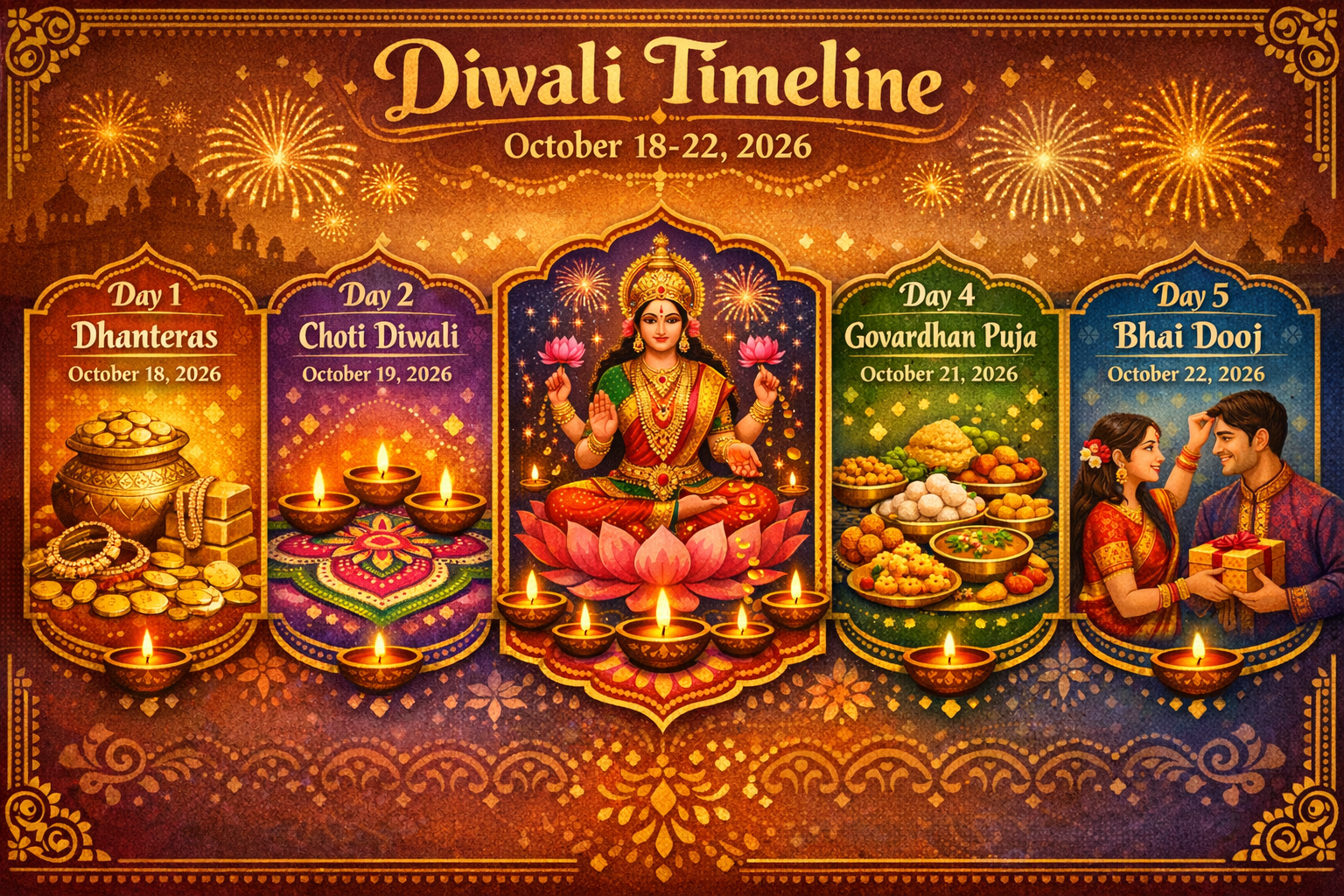
Day 1 (October 18): Dhanteras
Day 2 (October 19): Naraka Chaturdashi (Choti Diwali)
Day 3 (October 20): Main Diwali (Lakshmi Puja)
Day 4 (October 21): Govardhan Puja (Annakut)
Day 5 (October 22): Bhai Dooj
Best Time to Visit India for Diwali:
October-November offers ideal weather conditions across most of India:
Temperature: Pleasant 20-30°C (68-86°F) in most regions
Humidity: Lower post-monsoon levels
Air Quality: Generally better than winter months
Daylight: Long days perfect for sightseeing and celebrations
1.3 Diwali Season Timeline
Pre-Diwali Preparations (September-October):
The festive spirit begins weeks before the actual celebration:
Home Renovations: Families start cleaning, painting, and decorating homes
Shopping Season: Markets become bustling hubs for clothes, jewelry, and gifts
Rangoli Competitions: Communities organize decorative art contests
Cultural Programs: Schools and organizations host Diwali-themed events
Dhanteras (October 18, 2026):
The festival officially begins with Dhanteras, dedicated to Lord Dhanvantari, the physician of gods:
Gold and Silver Shopping: Considered highly auspicious to buy precious metals
Utensil Purchases: New cookware and household items are traditional buys
Business Openings: Many companies launch new ventures on this day
Evening Prayers: Homes are lit with oil lamps to welcome prosperity
Choti Diwali (October 19, 2026):
Also known as Naraka Chaturdashi, this day commemorates Lord Krishna’s victory over demon Narakasura:
Early Morning Rituals: Traditional oil baths before sunrise
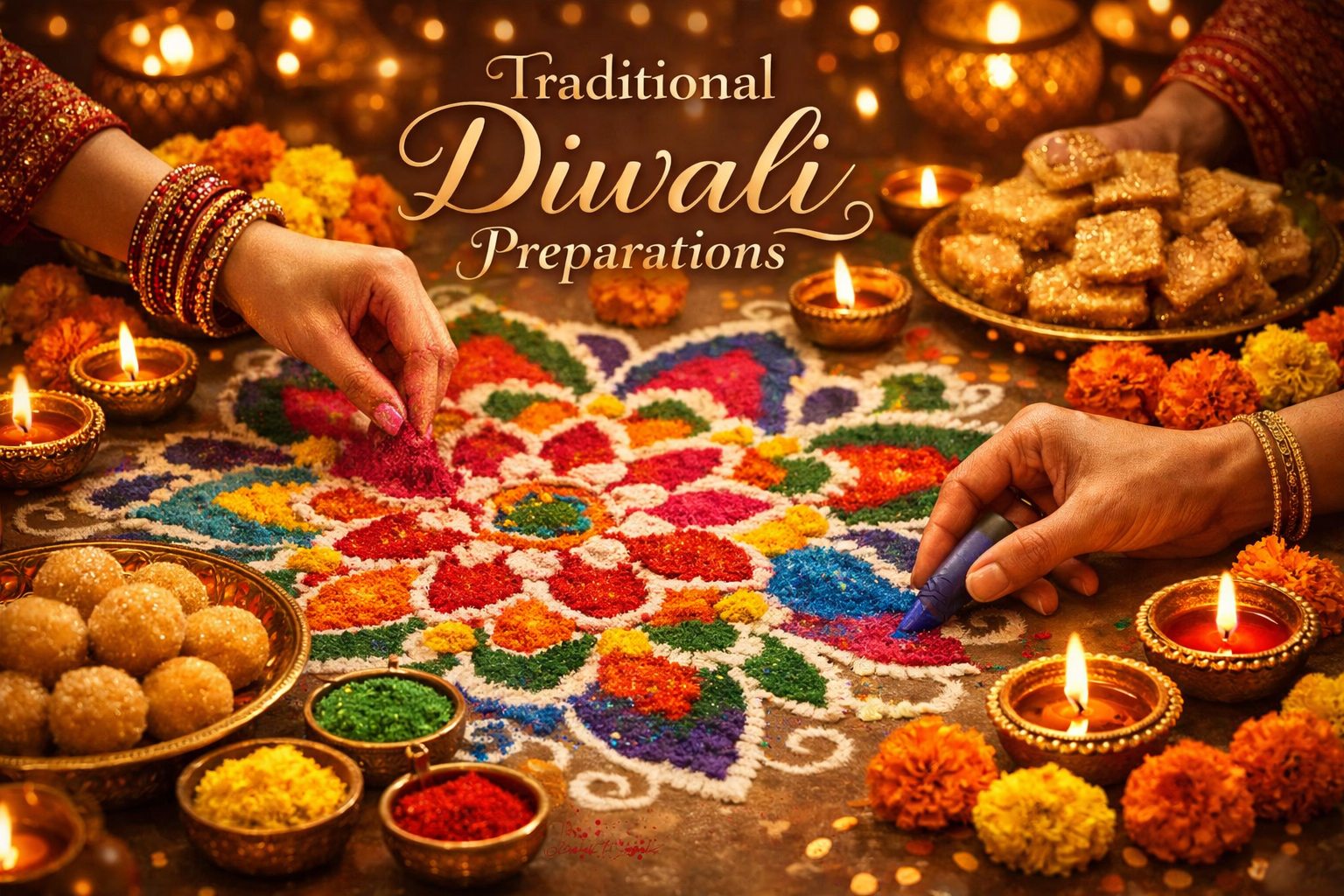
Rangoli Creation: Intricate floor designs using colored powders and flowers
Sweet Preparation: Families begin making traditional Diwali sweets
Fireworks Begin: The first burst of celebratory fireworks
2. DIWALI EVENTS & ACTIVITIES
2.1 Major Events Across India
Delhi – The Capital’s Grand Celebration:
Delhi transforms into a magnificent spectacle during Diwali India 2026, offering both traditional and modern celebrations:
Red Fort Diwali Festival:
What to Expect: Cultural performances, traditional crafts exhibition, and historical storytelling
Dates: October 18-22, 2026
Timings: 6:00 PM – 10:00 PM daily
Entry: ₹200-500 per person
Safety Tips: Arrive early, carry water bottles, and use authorized parking areas
Connaught Place Celebrations:
Light Installations: Stunning LED displays and traditional lamp arrangements
Shopping Extravaganza: Extended hours for all major stores and markets
Street Food Festival: Special Diwali treats and regional delicacies
Cultural Performances: Live music, dance, and theater shows
Mumbai – Bollywood Style Diwali:
Mumbai’s Diwali celebrations blend traditional customs with glamorous modern festivities:
Marine Drive Illumination:
Queen’s Necklace: The famous seafront glows with millions of lights
Celebrity Spotting: Bollywood stars often visit for photo sessions
Food Stalls: Special Diwali snacks along the promenade
Fireworks Display: Grand finale over the Arabian Sea
Juhu Beach Festival:
Sand Art Competitions: Artists create stunning Diwali-themed sculptures
Cultural Programs: Folk dances from different Indian states
Charity Drives: Community service initiatives during the festival
Jaipur – Royal Rajasthani Diwali:
The Pink City offers a regal Diwali experience steeped in royal traditions:
City Palace Celebrations:
Royal Durbar: Traditional court ceremonies with period costumes
Heritage Walks: Guided tours of illuminated palaces and havelis
Rajasthani Folk Performances: Traditional music and dance shows
Craft Workshops: Learn traditional Rajasthani arts and crafts
2.2 Competitions and Cultural Events
National Rangoli Competition:
Held simultaneously in major cities, these competitions showcase India’s artistic heritage:
Categories: Traditional, contemporary, and eco-friendly designs
Prizes: Cash awards up to ₹1 lakh and cultural recognition
Participation: Open to all age groups with separate categories
Venues: Public parks, cultural centers, and shopping malls
Diya Decoration Contests:
Local communities organize creative lamp decoration competitions:
Traditional Diyas: Clay lamps with natural decorations
Modern Interpretations: LED-enhanced and artistic variations
Group Categories: Family, school, and community team competitions
Judging Criteria: Creativity, traditional elements, and environmental consciousness
Sweet-Making Championships:
Culinary competitions celebrating traditional Diwali sweets:
Professional Category: Established sweet shops and chefs
Home Cooks Division: Amateur enthusiasts and family recipes
Innovation Awards: Modern twists on traditional recipes
Tasting Events: Public sampling and voting opportunities
2.3 Pre-Diwali Parties and Gatherings
Corporate Celebrations:
Indian businesses embrace Diwali with elaborate office parties:
Themed Decorations: Offices transform into festive wonderlands
Employee Gifts: Bonus payments, gift vouchers, and hampers
Cultural Programs: Talent shows featuring employee performances
Charity Initiatives: Corporate social responsibility during the festival
Community Gatherings:
Residential societies and neighborhoods organize collective celebrations:
Potluck Dinners: Families contribute traditional dishes for sharing
Group Rangoli: Large-scale collaborative floor art projects
Children’s Programs: Special events for kids with games and prizes
Elder Appreciation: Honoring senior community members with special ceremonies
3. MUSIC & CULTURE
3.1 Traditional Music and Modern Fusion
Classical Diwali Ragas:
Traditional Indian classical music plays a central role in Diwali India 2026 celebrations:
Raga Yaman: Evening performances welcoming prosperity
Raga Bhairav: Morning prayers and meditation music
Devotional Songs: Bhajans dedicated to Goddess Lakshmi and Lord Ganesha
Regional Variations: Each state has unique musical traditions for Diwali
Bollywood Diwali Hits:
Contemporary music adds energy to modern celebrations:
Festival Playlists: Popular songs specifically created for Diwali
Dance Performances: Choreographed routines for community events
DJ Nights: Modern club-style celebrations in urban areas
Fusion Concerts: Blend of traditional and contemporary music styles
Regional Folk Music:
Different states contribute their unique musical flavors:
Punjab: Bhangra beats and dhol performances
Gujarat: Garba and Dandiya Raas music
Bengal: Rabindra Sangeet and folk songs
Tamil Nadu: Carnatic music concerts and devotional songs
3.2 Dance and Cultural Performances
Traditional Dance Forms:
Diwali showcases India’s rich dance heritage:
Bharatanatyam: South Indian classical dance depicting mythological stories
Kathak: North Indian dance form narrating Diwali legends
Odissi: Eastern Indian dance celebrating divine feminine energy
Kuchipudi: Andhra Pradesh’s contribution to classical dance
Folk Dance Celebrations:
Regional folk dances bring communities together:
Garba (Gujarat): Circular dances around decorated pots
Bhangra (Punjab): Energetic harvest dance celebrations
Giddha (Punjab): Women’s folk dance with traditional songs
Lavani (Maharashtra): Traditional dance form with rhythmic music
4. SPIRITUAL SIGNIFICANCE AND RITUALS
4.1 Religious Ceremonies and Pujas
Lakshmi Puja – The Main Event:
The centerpiece of Diwali India 2026 is the worship of Goddess Lakshmi:
Preparation Phase:
Home Purification: Thorough cleaning and decoration of the house
Altar Setup: Creating a sacred space with idols, flowers, and offerings
Dress Code: New clothes, preferably in auspicious colors like red, yellow, or gold
Timing: Performed during the most auspicious hours (usually evening)
Ritual Elements:
Ganesh Puja: First prayers to Lord Ganesha for obstacle removal
Lakshmi Invocation: Specific mantras to invite the goddess of wealth
Offering Ceremony: Flowers, sweets, fruits, and incense presentations
Aarti Performance: Devotional songs with synchronized lamp movements
Family Participation:
Children’s Role: Young family members help with decorations and offerings
Elder’s Blessings: Grandparents lead prayers and share traditional stories
Community Involvement: Neighbors often join for collective celebrations
Business Prayers: Shop owners perform special pujas for prosperity
Ganesha Puja:
Lord Ganesha, the remover of obstacles, is worshipped before all major Diwali rituals:
Morning Prayers: Starting the day with Ganesha mantras
Business Blessings: Merchants seek divine favor for their enterprises
New Venture Launches: Auspicious time for starting new projects
Educational Success: Students pray for wisdom and academic achievement
4.2 Regional Variations in Celebrations
North Indian Traditions:
Rama’s Return: Celebrating Lord Rama’s homecoming to Ayodhya
Govardhan Puja: Worshipping Lord Krishna and nature
Bhai Dooj: Sister-brother bond celebration
Karva Chauth Connection: Some regions link it with marital celebrations
South Indian Customs:
Naraka Chaturdashi: Emphasis on Lord Krishna’s victory over evil
Oil Bath Tradition: Sacred cleansing rituals before sunrise
Ancestral Worship: Honoring departed family members
Goddess Kali: Special reverence in certain regions
Western Indian Practices:
Business New Year: Starting new account books (Chopda Puja)
Wealth Worship: Elaborate Lakshmi and Kubera pujas
Community Celebrations: Large-scale neighborhood gatherings
Charitable Giving: Emphasis on helping the less fortunate
Eastern Indian Observances:
Kali Puja: Goddess Kali worship, especially in Bengal
Ancestral Offerings: Special prayers for deceased family members
Cultural Programs: Emphasis on arts, literature, and music
Social Harmony: Inter-community celebration initiatives
5. DIWALI SHOPPING AND MARKETS
5.1 Traditional Shopping Destinations
Delhi’s Shopping Paradise:
The capital city offers unparalleled shopping experiences during Diwali India 2026:
Chandni Chowk:
Silver Jewelry: Traditional designs at competitive prices
Textile Treasures: Silk sarees, lehengas, and ethnic wear
Sweet Shops: Famous establishments like Ghantewala and Old Famous Jalebi Wala
Decoration Items: Diyas, rangoli materials, and festive decorations
Best Time to Visit: Early morning (8-10 AM) to avoid crowds
Karol Bagh Market:
Electronics Hub: Latest gadgets and home appliances
Fashion Central: Designer clothes and accessories
Jewelry Stores: Gold and diamond collections
Home Decor: Furniture and interior design items
Parking: Limited street parking; use metro for convenience
Connaught Place:
Brand Shopping: International and national brand outlets
Books and Gifts: Unique presents and literary collections
Restaurants: Fine dining options for shopping breaks
Cultural Items: Handicrafts and artistic pieces
Mumbai’s Commercial Hubs:
Maharashtra’s commercial capital buzzes with Diwali shopping energy:
Crawford Market:
Dry Fruits and Nuts: Premium quality ingredients for sweets
Fresh Flowers: Marigolds, roses, and lotus for decorations
Spices: Aromatic ingredients for festival cooking
Toys and Gifts: Children’s items and novelty presents
Linking Road:
Fashion Street: Trendy clothes at budget-friendly prices
Accessories: Jewelry, bags, and fashion supplements
Street Food: Delicious snacks while shopping
Bargaining Tips: Start at 30-40% of quoted prices
5.2 Online Shopping Trends
E-commerce Boom:
Digital platforms have revolutionized Diwali shopping in India:
Major Platforms:
Amazon India: Extensive range with same-day delivery in major cities
Flipkart: Special Diwali sales with up to 80% discounts
Myntra: Fashion and lifestyle products with exclusive collections
Nykaa: Beauty and cosmetics for festival makeovers
Shopping Categories:
Electronics: Smartphones, laptops, and home appliances
Fashion: Traditional and contemporary clothing
Home Decor: Furniture, lighting, and decorative items
Gifts: Personalized and corporate gift options
Delivery Considerations:
Peak Season Rush: Order at least 7-10 days before Diwali
Express Delivery: Premium services for last-minute purchases
Return Policies: Extended return periods during festival season
Payment Options: EMI facilities and cash-on-delivery availability
5.3 Gift-Giving Traditions
Traditional Gifts:
Classic Diwali presents that never go out of style:
Sweets and Dry Fruits: Beautifully packaged assortments
Silver Items: Coins, decorative pieces, and utensils
Clothing: Sarees, kurtas, and ethnic wear
Religious Items: Idols, prayer books, and spiritual accessories
Modern Gift Ideas:
Contemporary presents for the digital age:
Technology Gadgets: Smartphones, tablets, and smart home devices
Experience Gifts: Spa vouchers, travel packages, and workshop enrollments
Subscription Services: Streaming platforms, magazines, and monthly boxes
Eco-Friendly Options: Sustainable products and organic items
Corporate Gifting:
Business relationships strengthen through thoughtful Diwali gifts:
Customized Hampers: Company-branded gift collections
Premium Items: High-quality products reflecting business values
Charitable Donations: Gifts that give back to society
Digital Gifts: Online vouchers and virtual experiences
6. DIWALI FOOD AND CUISINE
6.1 Traditional Sweets and Desserts
Regional Sweet Specialties:
Each region of India contributes unique flavors to Diwali India 2026 celebrations:
North Indian Delicacies:
Gulab Jamun: Soft milk dumplings in rose-flavored syrup
Rasgulla: Spongy cottage cheese balls in sugar syrup
Kaju Katli: Diamond-shaped cashew fudge with silver leaf
Besan Ladoo: Chickpea flour balls with ghee and nuts
Jalebi: Crispy spirals soaked in saffron syrup
South Indian Treats:
Mysore Pak: Rich gram flour sweet with ghee
Rava Kesari: Semolina dessert with saffron and nuts
Coconut Barfi: Fresh coconut-based fudge squares
Adhirasam: Traditional jaggery and rice flour sweet
Payasam: Creamy rice pudding with cardamom
Western Indian Favorites:
Mohanthal: Gujarati gram flour fudge with nuts
Shrikhand: Strained yogurt dessert with saffron
Puran Poli: Sweet lentil-stuffed flatbread
Modak: Steamed rice flour dumplings with jaggery filling
Basundi: Thickened milk dessert with dry fruits
Eastern Indian Classics:
Sandesh: Bengali cottage cheese sweet in various flavors
Rasgulla: Originated in Bengal, soft and spongy
Mishti Doi: Sweet yogurt dessert from Bengal
Kheer Kadam: Layered sweet with khoya and cottage cheese
Chhana Poda: Baked cottage cheese cake from Odisha
6.2 Savory Snacks and Appetizers
Traditional Namkeens:
Savory snacks balance the sweetness of Diwali celebrations:
Chakli: Spiral-shaped rice flour snacks with spices
Mathri: Crispy flour crackers with carom seeds
Samosas: Triangular pastries with spiced potato filling
Dhokla: Steamed gram flour cakes from Gujarat
Murukku: South Indian rice flour spirals with sesame
Modern Fusion Snacks:
Contemporary twists on traditional recipes:
Quinoa Dhokla: Healthy version of the classic steamed cake
Baked Samosas: Lower-oil alternatives to fried versions
Millet Chakli: Nutritious grain-based spirals
Protein Laddoos: Health-conscious sweet balls with nuts and seeds
Sugar-Free Options: Diabetic-friendly festival treats
6.3 Festive Drinks and Beverages
Traditional Beverages:
Authentic drinks that complement Diwali meals:
Thandai: Spiced milk drink with almonds and saffron
Lassi: Yogurt-based drinks in sweet and savory varieties
Aam Panna: Raw mango drink with mint and spices
Nimbu Paani: Fresh lime water with black salt
Masala Chai: Spiced tea with cardamom and ginger
Festive Cocktails:
Modern alcoholic beverages for adult celebrations:
Saffron Martini: Premium vodka with saffron infusion
Cardamom Whiskey Sour: Indian spice twist on classic cocktail
Rose Petal Sangria: Wine-based drink with Indian flavors
Kulfi Cocktail: Ice cream-based alcoholic dessert drink
Spiced Rum Punch: Traditional spices with Caribbean rum
7. TRAVEL AND ACCOMMODATION
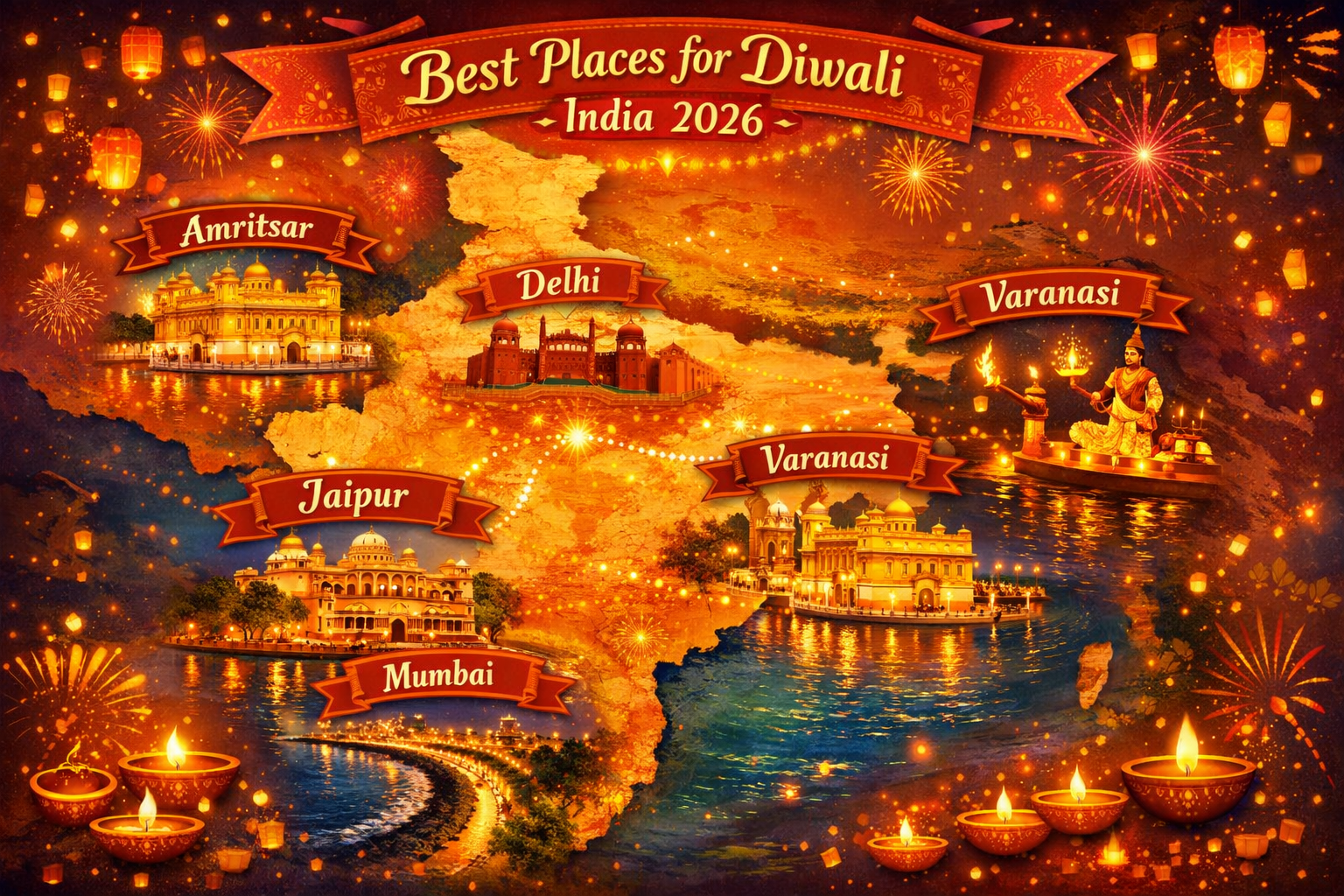
7.1 Best Places to Experience Diwali in India
Varanasi – The Spiritual Capital:
Experience Diwali India 2026 in its most authentic spiritual setting:
Ganga Aarti: Magnificent evening prayers by the holy river
Dev Deepawali: Special celebration 15 days after Diwali
Temple Illumination: Ancient temples glowing with thousands of lamps
Boat Rides: Ganges river cruises during evening celebrations
Photography Opportunities: Stunning shots of lights reflecting on water
Amritsar – Golden Temple Glory:
The Golden Temple offers a unique Sikh perspective on Diwali:
Bandi Chhor Divas: Sikh festival coinciding with Diwali
Golden Temple Illumination: The sacred complex lit with millions of lights
Langar Service: Free community meals for all visitors
Fireworks Display: Spectacular show over the temple complex
Cultural Programs: Traditional Punjabi music and dance performances
Jaipur – Royal Rajasthani Celebration:
The Pink City provides a regal backdrop for Diwali festivities:
Palace Illuminations: Hawa Mahal and City Palace decorated with lights
Heritage Hotels: Luxury properties offering special Diwali packages
Local Markets: Johari Bazaar and Bapu Bazaar for authentic shopping
Cultural Shows: Traditional Rajasthani folk performances
Camel Safaris: Desert celebrations under starlit skies
7.2 Accommodation Options
Luxury Hotels:
Premium properties offering special Diwali packages:
The Oberoi Group: Exclusive celebrations across multiple cities
Taj Hotels: Traditional ceremonies with modern luxury
ITC Hotels: Responsible luxury with sustainable practices
Leela Palaces: Royal treatment with personalized services
Package Inclusions: Special meals, cultural programs, and gift hampers
Heritage Properties:
Historic accommodations for authentic experiences:
Palace Hotels: Converted royal residences with period charm
Haveli Stays: Traditional mansions in Rajasthan and Gujarat
Fort Hotels: Fortress accommodations with panoramic views
Heritage Resorts: Restored properties with cultural immersion programs
Booking Tips: Reserve 3-6 months in advance for Diwali season
Budget-Friendly Options:
Affordable stays without compromising on festival experience:
Guesthouses: Family-run accommodations with personal touch
Hostels: Social environments perfect for solo travelers
Homestays: Live with local families for authentic cultural exchange
Ashrams: Spiritual accommodations focusing on inner peace
Government Tourism: State tourism department accommodations
7.3 Transportation During Diwali
Domestic Flights:
Air travel considerations during peak festival season:
Advance Booking: Reserve flights 2-3 months early for better prices
Price Fluctuations: Expect 30-50% higher fares during Diwali week
Popular Routes: Delhi-Mumbai, Bangalore-Chennai, Kolkata-Delhi
Airport Crowds: Arrive 3 hours early for domestic flights
Weather Considerations: October-November generally has clear skies
Train Travel:
Indian Railways during the festival rush:
Tatkal Booking: Last-minute ticket availability system
Waitlist Strategy: Book early and monitor confirmation status
Festival Specials: Additional trains during peak travel periods
Luggage Management: Extra space needed for gifts and purchases
Safety Precautions: Keep valuables secure in crowded stations
Road Travel:
Highway journeys during Diwali celebrations:
Traffic Conditions: Expect heavy congestion near major cities
Fuel Planning: Petrol pumps may have longer queues
Toll Payments: Digital payment systems for faster processing
Emergency Contacts: Keep local police and breakdown service numbers
Rest Stops: Plan breaks at well-lit, populated areas
8. DIWALI DECORATIONS AND CRAFTS
8.1 Traditional Decoration Elements
Rangoli Art:
The intricate floor art that welcomes prosperity during Diwali India 2026:
Traditional Materials:
Colored Powders: Natural pigments from turmeric, vermillion, and indigo
Rice Flour: White base material for contrast and definition
Flower Petals: Marigolds, roses, and lotus petals for natural beauty
Colored Sand: Fine grains for detailed geometric patterns
Pulses and Grains: Lentils, rice, and beans for textural variety
Popular Designs:
Geometric Patterns: Symmetrical designs with mathematical precision
Floral Motifs: Nature-inspired patterns with leaves and blooms
Religious Symbols: Om, Swastika, and lotus designs
Peacock Patterns: Traditional bird symbolizing beauty and grace
Mandala Circles: Spiritual designs representing the universe
Regional Variations:
Alpana (Bengal): Delicate white patterns on red clay base
Kolam (Tamil Nadu): Continuous line patterns without lifting hand
Mandana (Rajasthan): Wall paintings with geometric designs
Aripana (Bihar): Floor art with rice paste and natural colors
Chowkpurana (Uttar Pradesh): Square patterns with religious themes
Diya Arrangements:
Traditional oil lamps creating magical ambiance:
Clay Diyas: Handmade earthen lamps with cotton wicks
Decorative Variations: Painted, carved, and embellished versions
Placement Strategies: Doorways, windows, balconies, and courtyards
Oil Types: Mustard, sesame, and ghee for different flame characteristics
Safety Measures: Stable surfaces and fire extinguishing preparations
8.2 Modern Decoration Trends
LED Light Displays:
Contemporary lighting solutions for urban celebrations:
String Lights: Energy-efficient LED chains in various colors
Projection Mapping: Digital art projected on building facades
Smart Home Integration: App-controlled lighting systems
Solar Options: Eco-friendly lighting for outdoor decorations
Synchronized Displays: Music-coordinated light shows
Eco-Friendly Decorations:
Sustainable celebration approaches gaining popularity:
Biodegradable Materials: Natural fibers and organic elements
Recycled Crafts: Upcycled materials for creative decorations
Plant-Based Decor: Living plants and flowers as primary elements
Minimal Waste: Reusable decorations for multiple years
Community Sharing: Collective decoration resources and cleanup
8.3 DIY Craft Projects
Family Craft Activities:
Engaging projects for all family members:
Paper Lantern Making: Colorful hanging decorations for homes
Diya Painting: Personalizing clay lamps with acrylic colors
Garland Creation: Flower and paper chains for doorways
Greeting Card Design: Handmade cards for friends and family
Gift Wrapping Crafts: Creative packaging for Diwali presents
Children’s Projects:
Age-appropriate activities for young celebrants:
Handprint Art: Using children’s handprints for decorative patterns
Sticker Rangoli: Easy-to-create floor designs with adhesive elements
Origami Diyas: Paper folding techniques for lamp shapes
Glitter Crafts: Sparkly decorations with adult supervision
Story Illustrations: Drawing Diwali legends and mythological tales
9. BUSINESS AND ECONOMIC ASPECTS
9.1 Economic Impact of Diwali
Market Surge Statistics:
Diwali India 2026 represents one of the largest economic events in the country:
Retail Sales Boost: 40-60% increase in consumer spending during festival season
Gold Purchases: ₹30,000-40,000 crores worth of gold sold during Diwali period
Automobile Sales: 25-30% of annual car and two-wheeler sales occur during festivities
E-commerce Growth: Online platforms see 300-400% traffic increase
Employment Generation: Temporary jobs created across retail, logistics, and hospitality
Sector-wise Impact:
Textiles and Apparel: New clothing purchases for family members
Electronics: Home appliances, smartphones, and gadgets
Real Estate: Auspicious time for property purchases and registrations
Financial Services: Investment products and insurance policy purchases
Hospitality: Hotels, restaurants, and travel services peak demand
9.2 Business Traditions and Customs
Chopda Puja (Account Book Worship):
Traditional business ceremony marking the commercial new year:
New Account Books: Starting fresh financial records
Goddess Lakshmi Worship: Seeking divine blessings for prosperity
Business Partnerships: Formalizing new commercial relationships
Employee Bonuses: Distributing festival bonuses and gifts
Office Decorations: Workplace transformation with lights and rangoli
Corporate Celebrations:
Modern business practices during Diwali:
Client Gifting: Strengthening business relationships through thoughtful presents
Office Parties: Team building and cultural celebration events
CSR Activities: Corporate social responsibility initiatives during festivals
Product Launches: Timing new product releases with auspicious dates
Marketing Campaigns: Festival-themed advertising and promotional strategies
9.3 Investment and Financial Planning
Auspicious Investment Timing:
Traditional beliefs about wealth creation during Diwali:
Gold Purchases: Dhanteras considered most auspicious for precious metal buying
Stock Market Activity: Muhurat trading on Diwali evening
Property Investments: Real estate transactions during festival period
Business Expansion: Launching new ventures and opening branches
Insurance Policies: Starting new coverage for family protection
Modern Financial Strategies:
Contemporary approaches to Diwali financial planning:
Systematic Investment Plans: Starting SIPs during auspicious period
Tax-Saving Investments: Utilizing festival bonuses for tax planning
Digital Gold: Online precious metal investment platforms
Cryptocurrency: Modern investors exploring digital assets
Mutual Funds: Diversified portfolio creation during festival season
10. SAFETY AND ENVIRONMENTAL CONSIDERATIONS
10.1 Fireworks Safety
Safe Celebration Practices:
Ensuring Diwali India 2026 remains joyful and accident-free:
Adult Supervision: Never allow children to handle fireworks alone
Safe Distances: Maintain minimum 10-meter clearance from buildings
Water Preparation: Keep buckets and fire extinguishers readily available
Clothing Choice: Wear cotton clothes and avoid synthetic materials
Time Restrictions: Follow local noise pollution guidelines
Legal Compliance:
Understanding regulations and restrictions:
Permitted Hours: Most cities allow fireworks between 8-10 PM only
Banned Items: High-decibel crackers prohibited in many areas
License Requirements: Commercial displays need proper permits
Penalty Awareness: Fines for violating noise and pollution norms
Alternative Celebrations: Light-based festivities without noise pollution
10.2 Environmental Impact
Air Quality Concerns:
Addressing pollution challenges during festivities:
PM2.5 Levels: Particulate matter increases significantly during Diwali
Respiratory Health: Special precautions for asthma and lung condition patients
Green Alternatives: Eco-friendly celebration methods gaining popularity
Community Initiatives: Collective efforts to reduce environmental impact
Government Guidelines: Official recommendations for sustainable celebrations
Sustainable Celebration Ideas:
Eco-conscious approaches to Diwali festivities:
LED Lighting: Energy-efficient alternatives to traditional illumination
Organic Decorations: Natural materials for rangoli and home decor
Plant Gifts: Living presents that contribute to environmental health
Digital Greetings: Electronic cards reducing paper consumption
Community Celebrations: Shared resources minimizing individual waste
10.3 Health and Wellness
Festival Health Tips:
Maintaining well-being during intensive celebrations:
Dietary Balance: Moderating sweet consumption with healthy alternatives
Hydration: Drinking adequate water during busy festival activities
Sleep Schedule: Maintaining rest despite late-night celebrations
Stress Management: Balancing social obligations with personal time
Exercise Routine: Continuing physical activity during festival period
Special Considerations:
Health precautions for vulnerable populations:
Diabetic Care: Sugar-free sweet options and blood glucose monitoring
Cardiac Health: Avoiding excessive excitement and physical strain
Elderly Safety: Extra care for senior family members during celebrations
Pregnancy Precautions: Safe celebration practices for expectant mothers
Child Safety: Age-appropriate activities and constant supervision
Diwali India 2026 - Festival Calendar & Countdown
.cg-element-container {
max-width: 800px;
margin: 20px auto;
padding: 20px;
background: linear-gradient(135deg, #ff6b35, #f7931e, #ffd700);
border-radius: 15px;
box-shadow: 0 10px 30px rgba(0,0,0,0.3);
font-family: 'Arial', sans-serif;
color: #333;
}
.cg-element-header {
text-align: center;
margin-bottom: 30px;
}
.cg-element-title {
color: #fff;
font-size: 2.5em;
margin: 0;
text-shadow: 2px 2px 4px rgba(0,0,0,0.5);
}
.cg-element-subtitle {
color: #fff;
font-size: 1.2em;
margin: 10px 0;
opacity: 0.9;
}
.cg-element-countdown {
background: rgba(255,255,255,0.95);
padding: 20px;
border-radius: 10px;
margin: 20px 0;
text-align: center;
box-shadow: inset 0 2px 10px rgba(0,0,0,0.1);
}
.cg-element-countdown-title {
font-size: 1.5em;
color: #d2691e;
margin-bottom: 15px;
}
.cg-element-time-container {
display: flex;
justify-content: space-around;
flex-wrap: wrap;
gap: 10px;
}
.cg-element-time-box {
background: #ff6b35;
color: white;
padding: 15px;
border-radius: 8px;
text-align: center;
min-width: 80px;
box-shadow: 0 4px 8px rgba(0,0,0,0.2);
}
.cg-element-time-number {
font-size: 2em;
font-weight: bold;
display: block;
}
.cg-element-time-label {
font-size: 0.9em;
text-transform: uppercase;
}
.cg-element-calendar {
background: rgba(255,255,255,0.95);
padding: 20px;
border-radius: 10px;
margin: 20px 0;
}
.cg-element-calendar-title {
font-size: 1.5em;
color: #d2691e;
margin-bottom: 20px;
text-align: center;
}
.cg-element-day-card {
background: linear-gradient(45deg, #ff6b35, #f7931e);
color: white;
padding: 15px;
margin: 10px 0;
border-radius: 8px;
border-left: 5px solid #ffd700;
box-shadow: 0 3px 10px rgba(0,0,0,0.2);
}
.cg-element-day-header {
display: flex;
justify-content: space-between;
align-items: center;
margin-bottom: 10px;
}
.cg-element-day-name {
font-size: 1.2em;
font-weight: bold;
}
.cg-element-day-date {
background: rgba(255,255,255,0.2);
padding: 5px 10px;
border-radius: 15px;
font-size: 0.9em;
}
.cg-element-day-description {
font-size: 0.95em;
line-height: 1.4;
}
.cg-element-highlight {
background: linear-gradient(45deg, #ffd700, #ffed4e);
color: #333;
border-left-color: #ff6b35;
}
.cg-element-tips {
background: rgba(255,255,255,0.95);
padding: 20px;
border-radius: 10px;
margin-top: 20px;
}
.cg-element-tips-title {
color: #d2691e;
font-size: 1.3em;
margin-bottom: 15px;
}
.cg-element-tip-item {
padding: 8px 0;
border-bottom: 1px solid #eee;
}
@media (max-width: 600px) {
.cg-element-container {
margin: 10px;
padding: 15px;
}
.cg-element-title {
font-size: 2em;
}
.cg-element-time-container {
justify-content: center;
}
.cg-element-time-box {
min-width: 70px;
padding: 10px;
}
.cg-element-time-number {
font-size: 1.5em;
}
}
Countdown to Main Diwali Day
0
Days
0
Hours
0
Minutes
0
Seconds
5-Day Diwali Festival Schedule
💰 Festival of wealth begins! Buy gold, silver, and new utensils. Worship Lord Dhanvantari for health and prosperity.
🌅 Naraka Chaturdashi - Early morning oil bath, rangoli preparation, and sweet making. Celebrate Lord Krishna's victory over evil.
🪔 THE MAIN EVENT! Lakshmi Puja in the evening, lighting diyas, fireworks, and family celebrations. New moon day (Amavasya).
🏔️ Also called Annakut - Worship Lord Krishna and nature. Prepare 56 different food items as offerings.
👫 Sister-brother bond celebration. Sisters apply tilaka to brothers' foreheads and pray for their long life and prosperity.
🎯 Festival Planning Tips
📅 Book Early: Reserve accommodations and travel 2-3 months in advance
🛍️ Shopping: Start Diwali shopping during Navratri for better deals
🎁 Gifts: Order online gifts at least 10 days before main Diwali day
🏠 Cleaning: Begin home cleaning and decoration 2 weeks prior
🍬 Sweets: Order or prepare traditional sweets 3-4 days in advance
function updateCountdown() {
const diwaliDate = new Date('2026-10-20T18:00:00');
const now = new Date();
const difference = diwaliDate - now;
if (difference > 0) {
const days = Math.floor(difference / (1000 60 60 * 24));
const hours = Math.floor((difference % (1000 60 60 24)) / (1000 60 * 60));
const minutes = Math.floor((difference % (1000 60 60)) / (1000 * 60));
const seconds = Math.floor((difference % (1000 * 60)) / 1000);
document.getElementById('cg-days').textContent = days;
document.getElementById('cg-hours').textContent = hours;
document.getElementById('cg-minutes').textContent = minutes;
document.getElementById('cg-seconds').textContent = seconds;
} else {
document.getElementById('cg-days').textContent = '0';
document.getElementById('cg-hours').textContent = '0';
document.getElementById('cg-minutes').textContent = '0';
document.getElementById('cg-seconds').textContent = '0';
const countdownTitle = document.querySelector('.cg-element-countdown-title');
countdownTitle.textContent = '🎉 Happy Diwali 2026! 🎉';
countdownTitle.style.color = '#ff6b35';
}
}
// Update countdown immediately and then every second
updateCountdown();
setInterval(updateCountdown, 1000);
// Add some interactive hover effects
document.querySelectorAll('.cg-element-day-card').forEach(card => {
card.addEventListener('mouseenter', function() {
this.style.transform = 'translateY(-3px)';
this.style.transition = 'transform 0.3s ease';
});
card.addEventListener('mouseleave', function() {
this.style.transform = 'translateY(0)';
});
});
11. PHOTOGRAPHY AND SOCIAL MEDIA
11.1 Capturing the Perfect Diwali Moments
Photography Tips for Diwali India 2026:
Document the magical festival with professional-quality photos:
Golden Hour Shooting:
Timing: 30 minutes before sunset for warm, natural lighting
Diya Photography: Capture oil lamps during blue hour for dramatic contrast
Portrait Sessions: Use soft evening light for family photographs
Fireworks: Long exposure shots with tripod for light trails
Architecture: Illuminated buildings and monuments look spectacular
Equipment Recommendations:
Camera Settings: Manual mode with ISO 800-1600 for low light
Lens Choices: 50mm for portraits, wide-angle for architectural shots
Tripod Usage: Essential for fireworks and long exposure photography
Flash Techniques: Bounce flash for indoor family gatherings
Mobile Photography: Night mode and portrait features on smartphones
Composition Techniques:
Rule of Thirds: Place diyas and decorations at intersection points
Leading Lines: Use rangoli patterns to guide viewer’s eye
Symmetry: Capture balanced arrangements of lights and decorations
Close-ups: Detail shots of intricate rangoli work and jewelry
Candid Moments: Natural expressions during family celebrations
11.2 Social Media Strategies
Hashtag Optimization:
Maximize reach with strategic hashtag usage for Diwali India 2026:
Primary Hashtags:
#DiwaliIndia2026 #FestivalOfLights #DiwaliCelebration
#IndianFestival #Deepavali2026 #DiwaliTradition
#LakshmiPuja #DiwaliLights #IndianCulture
Location-Specific Tags:
#DiwaliDelhi #MumbaiDiwali #JaipurDiwali
#VaranasiDiwali #BangaloreDiwali #ChennaiDiwali
#KolkataDiwali #HyderabadDiwali #AhmedabadDiwali
Trending Topics:
#EcoDiwali #SustainableCelebration #GreenDiwali
#DiwaliFood #DiwaliShopping #DiwaliOutfit
#DiwaliDecor #RangoliArt #DiyaDecoration
Content Creation Ideas:
Engaging posts that capture festival spirit:
Before/After: Home transformation photos showing decoration progress
Time-lapse Videos: Rangoli creation and diya lighting ceremonies
Recipe Shares: Traditional sweet-making processes and ingredients
Outfit Posts: Traditional clothing and jewelry showcases
Family Moments: Multi-generational celebration photographs
11.3 Professional Photography Services
Hiring Festival Photographers:
Professional documentation of your Diwali celebrations:
Portfolio Review: Check previous Diwali and cultural event work
Package Options: Half-day, full-day, and multi-day coverage
Style Preferences: Traditional, contemporary, or photojournalistic approaches
Delivery Timeline: Edited photos typically ready within 2-3 weeks
Cost Factors: ₹15,000-50,000 depending on experience and duration
DIY Photography Workshops:
Learning opportunities during festival season:
Local Photography Clubs: Community workshops on festival photography
Online Tutorials: YouTube channels dedicated to Indian festival photography
Camera Store Events: Equipment demonstrations and technique sessions
Cultural Centers: Photography exhibitions and learning opportunities
Social Media Groups: Sharing tips and techniques with fellow enthusiasts
12. CULTURAL SIGNIFICANCE AND MYTHOLOGY
12.1 Mythological Stories Behind Diwali
The Ramayana Connection:
The most widely celebrated story behind Diwali India 2026:
Lord Rama’s Return: After 14 years of exile, Rama returns to Ayodhya
Sita’s Rescue: Victory over demon king Ravana and rescue of Sita
Citizens’ Welcome: People of Ayodhya lit oil lamps to welcome their king
Symbolic Meaning: Light triumphing over darkness, good over evil
Modern Relevance: Hope and homecoming themes resonate globally
Krishna and Narakasura:
South Indian emphasis on Lord Krishna’s victory:
Demon Defeat: Krishna kills the demon Narakasura on Naraka Chaturdashi
16,000 Princesses: Liberation of captive women from demon’s palace
Satyabhama’s Role: Krishna’s wife assists in the battle
Oil Bath Tradition: Commemorating the cleansing after battle
Regional Celebrations: Particularly significant in Andhra Pradesh and Karnataka
Goddess Lakshmi’s Emergence:
The wealth and prosperity connection:
Ocean Churning: Lakshmi emerges during Samudra Manthan (ocean churning)
Vishnu’s Consort: Goddess becomes Lord Vishnu’s eternal companion
Wealth Symbolism: Represents material and spiritual prosperity
Owl Vehicle: Lakshmi’s owl symbolizes wisdom in wealth management
Modern Worship: Business communities especially revere this aspect
12.2 Regional Cultural Variations
Bengal’s Kali Puja:
Eastern India’s unique Diwali celebration:
Goddess Kali: Fierce form of Divine Mother worshipped on new moon
Tantric Traditions: Esoteric worship practices and rituals
Community Pandals: Elaborate temporary temples in neighborhoods
Cultural Programs: Poetry, music, and dance performances
Social Harmony: Hindu-Muslim communities participate together
Punjab’s Bandi Chhor Divas:
Sikh perspective on the festival of lights:
Guru Hargobind: Sixth Sikh Guru’s release from Mughal imprisonment
52 Hindu Kings: Guru’s condition to free other imprisoned rulers
Golden Temple: Spectacular illumination of the holy complex
Langar Service: Free community meals for all visitors
Fireworks Display: Magnificent show over the sacred pool
Jain Celebrations:
Jainism’s connection to Diwali:
Lord Mahavira: 24th Tirthankara attains nirvana on Diwali night
Spiritual Liberation: Emphasis on soul’s freedom from material bondage
Non-violence: Celebrations avoid harming any living beings
Temple Visits: Special prayers and meditation sessions
Community Service: Charitable activities and helping the needy
12.3 Philosophical and Spiritual Dimensions
Inner Light Symbolism:
Deeper meaning beyond external celebrations:
Consciousness: Awakening inner awareness and spiritual insight
Knowledge: Dispelling ignorance through learning and wisdom
Compassion: Lighting the lamp of kindness in human hearts
Unity: Recognizing divine presence in all beings
Transformation: Personal growth and positive change
Modern Interpretations:
Contemporary understanding of ancient wisdom:
Environmental Consciousness: Balancing tradition with ecological responsibility
Social Justice: Using festival prosperity to help disadvantaged communities
Global Unity: Celebrating diversity while recognizing common humanity
Mental Health: Festival joy as antidote to stress and depression
Cultural Bridge: Diwali as connector between traditional and modern values
13. BUSINESS OPPORTUNITIES AND ENTREPRENEURSHIP
13.1 Festival-Based Business Ideas
Seasonal Entrepreneurship:
Diwali India 2026 presents numerous business opportunities:
Decoration Services:
Home Decoration: Professional rangoli artists and lighting specialists
Corporate Decor: Office and commercial space festival decoration
Event Planning: Diwali party organization and management
Photography Services: Festival documentation and family portraits
Catering: Traditional sweet and snack preparation services
E-commerce Opportunities:
Handmade Crafts: Online platforms for artisan products
Customized Gifts: Personalized Diwali presents and hampers
Digital Greetings: Animated cards and video message services
Virtual Celebrations: Online puja services and cultural programs
Delivery Services: Last-minute gift and sweet delivery solutions
Technology Integration:
Mobile Apps: Festival planning and countdown applications
AR Experiences: Augmented reality rangoli and decoration tools
Social Platforms: Community celebration coordination systems
Digital Payments: Facilitating online transactions during festival rush
Smart Home: IoT-enabled lighting and decoration automation
13.2 Traditional Artisan Support
Handicraft Industries:
Supporting traditional craftspeople during festival season:
Clay Diya Makers: Pottery artisans creating millions of oil lamps
Rangoli Artists: Skilled designers offering custom floor art services
Textile Weavers: Traditional clothing and fabric specialists
Jewelry Craftsmen: Artisans creating festival-specific ornaments
Sweet Makers: Traditional confectioners with family recipes
Rural Economy Impact:
Festival’s effect on village-level economic activities:
Agricultural Products: Increased demand for flowers, grains, and spices
Cottage Industries: Small-scale manufacturing of festival items
Transportation: Rural-urban goods movement during festival season
Seasonal Employment: Temporary jobs in cities for rural workers
Skill Development: Training programs for traditional crafts
13.3 Corporate Social Responsibility
Festival CSR Initiatives:
Companies using Diwali for social impact:
Employee Welfare: Bonus payments, gifts, and family support programs
Community Development: Infrastructure projects in local neighborhoods
Environmental Protection: Eco-friendly celebration promotion and awareness
Education Support: Scholarship programs and school development projects
Healthcare Initiatives: Medical camps and health awareness programs
Sustainable Business Practices:
Responsible entrepreneurship during festival season:
Eco-friendly Products: Biodegradable decorations and organic sweets
Fair Trade: Ensuring artisans receive fair compensation for their work
Local Sourcing: Supporting regional suppliers and reducing transportation
Waste Management: Proper disposal and recycling of festival materials
Energy Efficiency: LED lighting and renewable energy for celebrations
Conclusion
Diwali India 2026 represents far more than a five-day festival—it’s a transformative experience that connects millions of people across the subcontinent and around the world in a celebration of light, hope, and renewal. From the spiritual significance of Lakshmi Puja on October 20th to the joyous family bonds celebrated during Bhai Dooj on October 22nd, each moment offers an opportunity to participate in one of humanity’s most beautiful traditions.
Whether you’re planning to witness the spectacular celebrations in Delhi’s Red Fort, experience the spiritual ambiance of Varanasi’s ghats, or enjoy the royal festivities in Jaipur’s palaces, Diwali India 2026 promises memories that will last a lifetime. The festival’s evolution from ancient mythology to modern celebration demonstrates India’s remarkable ability to honor tradition while embracing progress.
Your Next Steps:
🎯 Start Planning Now: Begin booking accommodations and travel arrangements 3-6 months in advance, especially for popular destinations like Mumbai, Delhi, and Jaipur.
📱 Download Festival Apps: Use countdown timers and local event information to stay updated on celebrations in your chosen city.
🛍️ Prepare Your Shopping List: Whether buying traditional gold on Dhanteras or selecting the perfect outfit for family photos, early preparation ensures you don’t miss out on the best options.
🏠 Learn the Traditions: Understanding the cultural significance behind each ritual will deepen your appreciation and enhance your festival experience.
🤝 Connect with Local Communities: Join neighborhood celebrations, volunteer for community service, or participate in cultural programs to experience the true spirit of Diwali.
Diwali India 2026 isn’t just about witnessing a festival—it’s about becoming part of a tradition that has brought joy, hope, and unity to countless generations. As you light your first diya or create your first rangoli pattern, you’ll join the millions of people who have found in Diwali not just a celebration, but a reminder that light always triumphs over darkness, and love always conquers all.
The festival awaits, and India is ready to welcome you with open arms, warm hearts, and millions of twinkling lights that will illuminate not just the landscape, but your soul. Happy Diwali 2026! 🪔✨
—
SEO Meta Information:
Meta Title: Diwali India 2026: Complete Festival Guide & Celebration Dates
Meta Description: Discover Diwali India 2026 dates (Oct 18-22), traditions, celebrations, travel tips, and cultural significance. Your complete guide to India’s Festival of Lights.