Fuji Rock Japan 2026: The Ultimate Guide to Japan’s Premier Music Festival
Picture this: the morning mist rolls through the Naeba Ski Resort as 120,000 music lovers from around the world gather in the Japanese mountains for one of Asia’s most legendary music festivals. Fuji Rock Japan 2026 promises to be another unforgettable chapter in this iconic festival’s 30-year history, blending world-class music with Japan’s stunning natural beauty and unmatched hospitality.
Since 1997, Fuji Rock has evolved from a single-day event to a three-day musical pilgrimage that attracts international headliners and devoted fans alike. The festival’s unique mountain setting, commitment to environmental sustainability, and distinctly Japanese approach to festival culture have made it a bucket-list destination for music enthusiasts worldwide.
Key Takeaways
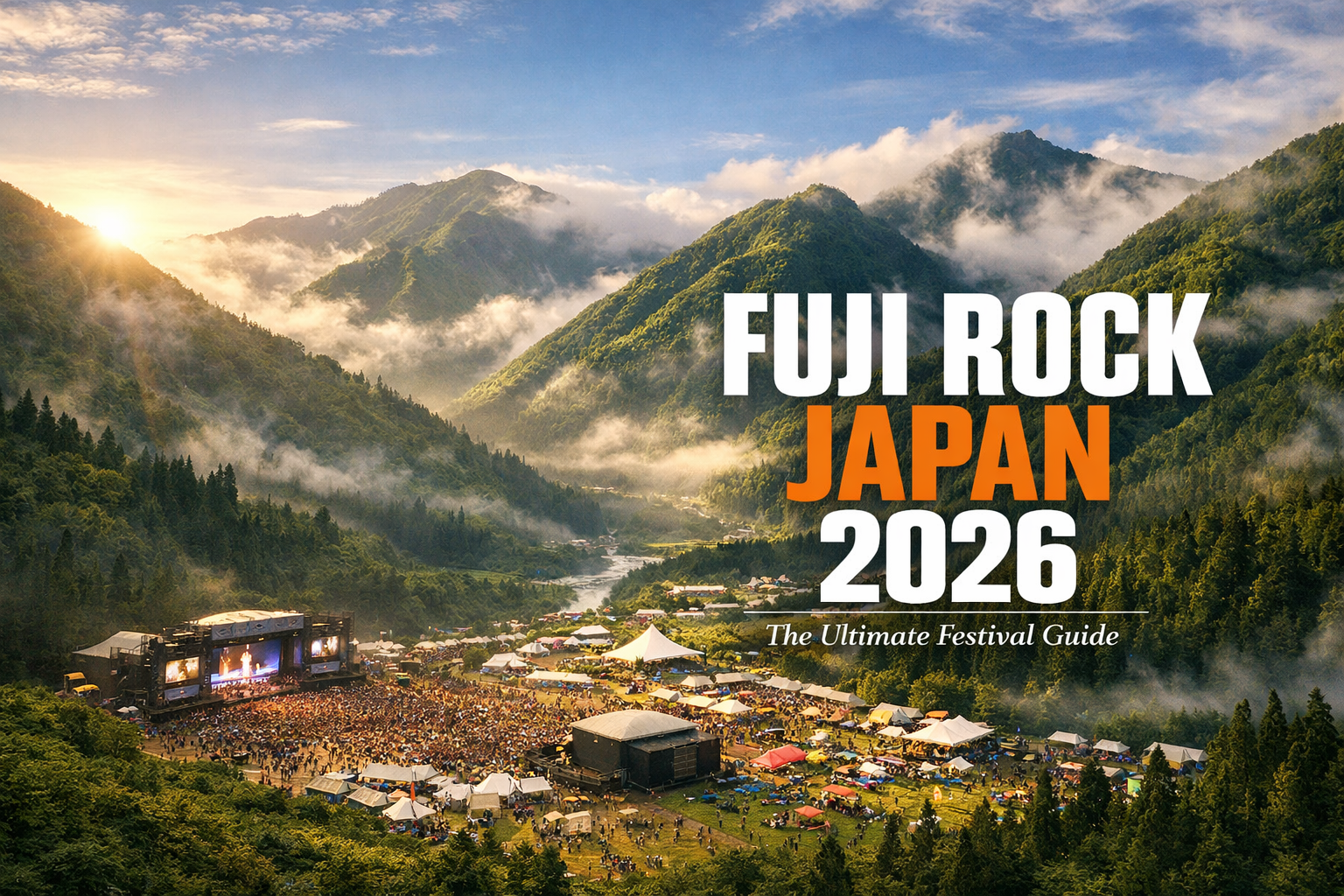
• Fuji Rock Japan 2026 takes place July 24-26, 2026, at Naeba Ski Resort in Niigata Prefecture
• The festival features multiple stages across 200 hectares of mountainous terrain with world-class international and Japanese artists
• Tickets typically go on sale in January, with early bird prices starting around ¥45,000 ($300) for 3-day passes
• The festival emphasizes environmental sustainability and “clean camping” culture unique to Japan
• Transportation from Tokyo takes approximately 2.5 hours via shinkansen and shuttle bus
What Makes Fuji Rock Japan 2026 Special
The Festival’s Rich History and Evolution
Fuji Rock began in 1997 as Japan’s answer to international music festivals like Glastonbury and Coachella. Originally held at the base of Mount Fuji, the festival moved to its current home at Naeba Ski Resort in 1999, where it has flourished into Asia’s largest outdoor music festival. The festival’s founder, Masa Hidaka, envisioned creating a space where international and Japanese artists could share the stage while celebrating music in harmony with nature.
Over nearly three decades, Fuji Rock Japan has hosted legendary performances from artists like Radiohead, Red Hot Chili Peppers, Björk, and countless others. The festival has become a cultural bridge, introducing Japanese audiences to international acts while showcasing Japanese talent to global audiences.
Cultural Significance and Global Recognition
What sets Fuji Rock apart from other festivals is its distinctly Japanese character. The festival embodies the Japanese concept of “omotenashi” (hospitality), creating an atmosphere of mutual respect between artists, staff, and attendees. This cultural foundation has earned Fuji Rock recognition as one of the world’s most well-organized and environmentally conscious festivals.
The festival’s commitment to environmental stewardship reflects Japanese values of respect for nature. Attendees participate in extensive recycling programs, and the festival grounds are left cleaner than when the event began—a testament to the collective responsibility embraced by participants.
Festival Dates and Timeline for 2026
Official Dates and Duration
Fuji Rock Japan 2026 is scheduled for July 24-26, 2026 (Friday through Sunday), following the festival’s traditional late-July timing. This three-day format allows for an immersive experience while accommodating both international visitors and local attendees who need to return to work on Monday.
The festival officially opens on Friday afternoon, with gates typically opening at 9:00 AM for campers and day-pass holders. Music begins around noon and continues until the early morning hours, with the final acts often performing until 4:30 AM.
Pre-Festival Activities and Setup
The week leading up to Fuji Rock transforms the quiet mountain resort into a bustling festival city. Setup begins on Monday, July 20th, with stage construction, vendor preparation, and infrastructure installation. Media and artist rehearsals typically occur on Wednesday and Thursday, creating anticipation among early arrivals.
For attendees, the pre-festival period offers opportunities to explore the surrounding area, including hiking trails, hot springs (onsen), and local cultural sites. Many international visitors use this time to adjust to the time difference and immerse themselves in Japanese culture.
Venue and Location Details
Naeba Ski Resort: A Natural Amphitheater
Located in Niigata Prefecture, approximately 200 kilometers northwest of Tokyo, Naeba Ski Resort provides a breathtaking backdrop for Fuji Rock Japan 2026. The venue spans 200 hectares of mountainous terrain, with elevations ranging from 900 to 1,400 meters above sea level.
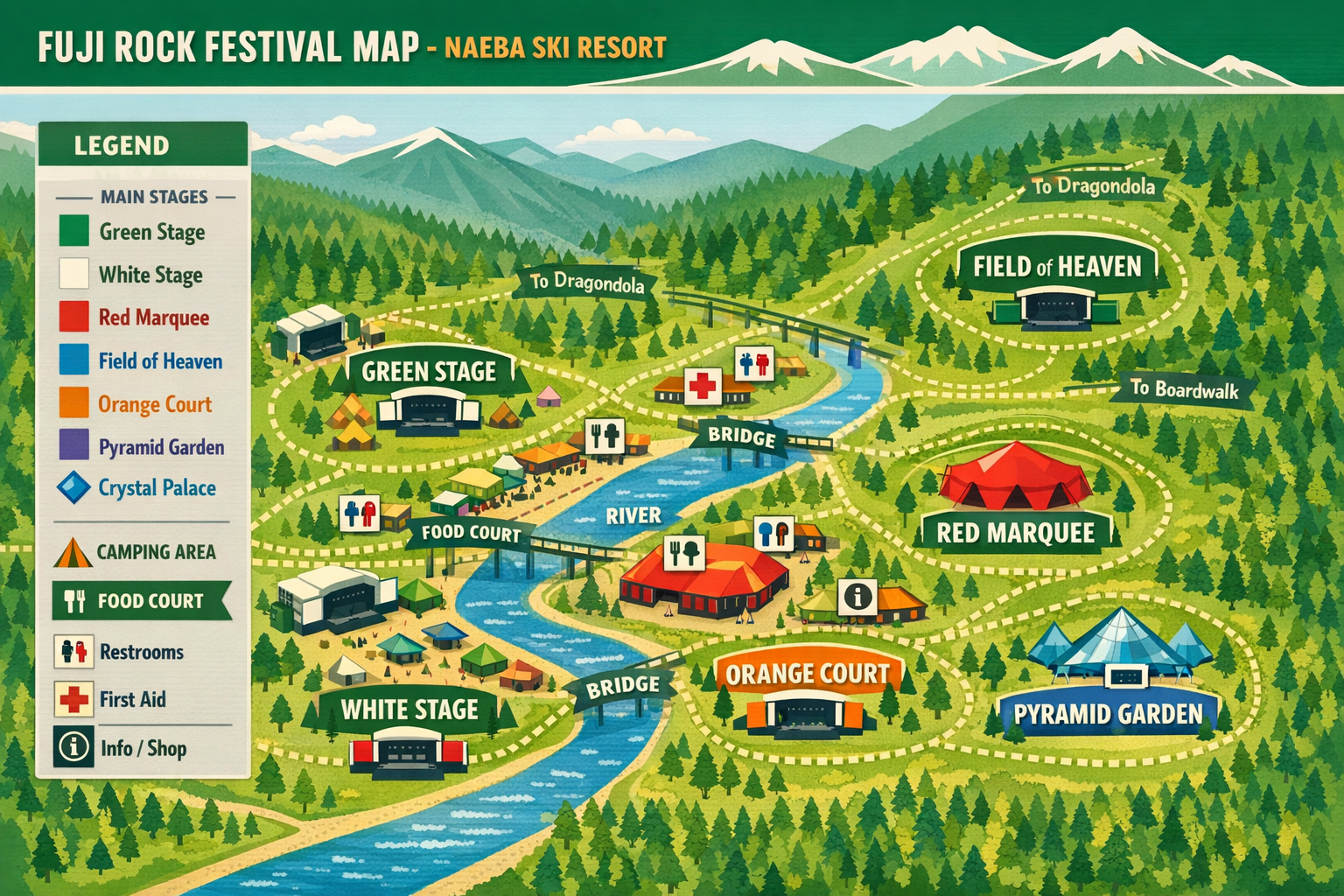
The resort’s ski slopes transform into natural amphitheaters during summer, creating unique acoustics and sightlines for performances. The main Green Stage sits in a valley surrounded by forested hills, while smaller stages are scattered throughout the grounds, each offering distinct atmospheres and musical experiences.
Stage Layout and Capacity
Fuji Rock features seven main stages, each with its own character and musical focus:
Green Stage – The festival’s main stage, accommodating up to 50,000 people with headliner performances
White Stage – An indoor venue perfect for electronic music and late-night sets
Red Marquee – A covered outdoor stage featuring rock and alternative acts
Field of Heaven – An intimate outdoor stage with stunning mountain views
Orange Court – A smaller stage focusing on emerging artists and Japanese acts
Pyramid Garden – An electronic music haven with cutting-edge sound systems
Crystal Palace – A dance music venue operating until dawn
Getting to Naeba: Transportation Options
From Tokyo:
From Haneda/Narita Airports:
By Car:
Fuji Rock 2026 Planner
.cg-fuji-planner {
max-width: 800px;
margin: 20px auto;
padding: 20px;
font-family: 'Segoe UI', Tahoma, Geneva, Verdana, sans-serif;
background: linear-gradient(135deg, #1e3c72 0%, #2a5298 100%);
border-radius: 15px;
color: white;
box-shadow: 0 10px 30px rgba(0,0,0,0.3);
}
.cg-planner-header {
text-align: center;
margin-bottom: 30px;
}
.cg-planner-title {
font-size: 2.2em;
margin: 0 0 10px 0;
color: #fff;
}
.cg-planner-subtitle {
font-size: 1.1em;
opacity: 0.9;
margin: 0;
}
.cg-planner-tabs {
display: flex;
margin-bottom: 25px;
background: rgba(255,255,255,0.1);
border-radius: 10px;
padding: 5px;
}
.cg-tab-button {
flex: 1;
padding: 12px;
background: transparent;
border: none;
color: white;
cursor: pointer;
border-radius: 8px;
transition: all 0.3s ease;
font-size: 1em;
}
.cg-tab-button.active {
background: rgba(255,255,255,0.2);
transform: translateY(-2px);
}
.cg-tab-content {
display: none;
animation: fadeIn 0.5s ease;
}
.cg-tab-content.active {
display: block;
}
@keyframes fadeIn {
from { opacity: 0; transform: translateY(10px); }
to { opacity: 1; transform: translateY(0); }
}
.cg-budget-calculator {
background: rgba(255,255,255,0.1);
padding: 20px;
border-radius: 10px;
margin-bottom: 20px;
}
.cg-budget-row {
display: flex;
justify-content: space-between;
align-items: center;
margin-bottom: 15px;
padding: 10px;
background: rgba(255,255,255,0.05);
border-radius: 8px;
}
.cg-budget-label {
font-weight: 600;
flex: 1;
}
.cg-budget-input {
width: 100px;
padding: 8px;
border: none;
border-radius: 5px;
background: rgba(255,255,255,0.9);
color: #333;
text-align: right;
}
.cg-budget-total {
font-size: 1.3em;
font-weight: bold;
text-align: center;
padding: 15px;
background: rgba(255,255,255,0.2);
border-radius: 10px;
margin-top: 15px;
}
.cg-checklist {
background: rgba(255,255,255,0.1);
padding: 20px;
border-radius: 10px;
}
.cg-checklist-item {
display: flex;
align-items: center;
margin-bottom: 12px;
padding: 10px;
background: rgba(255,255,255,0.05);
border-radius: 8px;
transition: all 0.3s ease;
}
.cg-checklist-item:hover {
background: rgba(255,255,255,0.1);
}
.cg-checklist-item input[type="checkbox"] {
margin-right: 12px;
transform: scale(1.2);
}
.cg-checklist-item.completed {
opacity: 0.7;
text-decoration: line-through;
}
.cg-schedule-grid {
display: grid;
grid-template-columns: repeat(auto-fit, minmax(250px, 1fr));
gap: 15px;
}
.cg-day-card {
background: rgba(255,255,255,0.1);
padding: 20px;
border-radius: 10px;
text-align: center;
}
.cg-day-title {
font-size: 1.4em;
font-weight: bold;
margin-bottom: 15px;
color: #ffd700;
}
.cg-day-events {
list-style: none;
padding: 0;
}
.cg-day-events li {
padding: 8px 0;
border-bottom: 1px solid rgba(255,255,255,0.1);
}
.cg-day-events li:last-child {
border-bottom: none;
}
.cg-progress-bar {
width: 100%;
height: 8px;
background: rgba(255,255,255,0.2);
border-radius: 4px;
margin-top: 15px;
overflow: hidden;
}
.cg-progress-fill {
height: 100%;
background: linear-gradient(90deg, #ffd700, #ffed4e);
width: 0%;
transition: width 0.5s ease;
}
@media (max-width: 768px) {
.cg-fuji-planner {
margin: 10px;
padding: 15px;
}
.cg-planner-title {
font-size: 1.8em;
}
.cg-planner-tabs {
flex-direction: column;
}
.cg-tab-button {
margin-bottom: 5px;
}
.cg-budget-row {
flex-direction: column;
align-items: flex-start;
}
.cg-budget-input {
width: 100%;
margin-top: 5px;
}
}
🎵 Fuji Rock 2026 Planner
Plan your ultimate festival experience
Festival Budget Calculator
3-Day Festival Pass
Accommodation (3 nights)
Transportation
Food & Drinks
Merchandise
Miscellaneous
Total Budget: $1300
Pre-Festival Checklist
Purchase festival tickets
Book accommodation
Arrange transportation
Check visa requirements
Purchase travel insurance
Pack rain gear & comfortable shoes
Download festival app
Research artist lineup
Learn basic Japanese phrases
Prepare portable charger & power bank
Progress: 0%
Friday, July 24
- 9:00 AM - Gates Open
- 12:00 PM - Music Begins
- 2:00 PM - Opening Acts
- 6:00 PM - Main Stage Headliner
- 10:00 PM - Late Night Sets
Saturday, July 25
- 10:00 AM - Day 2 Begins
- 12:00 PM - Multiple Stages Active
- 4:00 PM - Peak Performance Hours
- 8:00 PM - Saturday Headliner
- 12:00 AM - Electronic Sets
Sunday, July 26
- 11:00 AM - Final Day
- 1:00 PM - Afternoon Performances
- 5:00 PM - Closing Ceremonies
- 7:00 PM - Final Headliner
- 11:00 PM - Festival Ends
function showTab(tabName) {
// Hide all tab contents
const contents = document.querySelectorAll('.cg-tab-content');
contents.forEach(content => content.classList.remove('active'));
// Remove active class from all buttons
const buttons = document.querySelectorAll('.cg-tab-button');
buttons.forEach(button => button.classList.remove('active'));
// Show selected tab content
document.getElementById(tabName).classList.add('active');
// Add active class to clicked button
event.target.classList.add('active');
}
function calculateTotal() {
const inputs = document.querySelectorAll('.cg-budget-input');
let total = 0;
inputs.forEach(input => {
total += parseFloat(input.value) || 0;
});
document.getElementById('totalBudget').textContent = total.toFixed(0);
}
function updateProgress() {
const checkboxes = document.querySelectorAll('.cg-checklist-item input[type="checkbox"]');
const checkedBoxes = document.querySelectorAll('.cg-checklist-item input[type="checkbox"]:checked');
const progress = (checkedBoxes.length / checkboxes.length) * 100;
document.getElementById('progressBar').style.width = progress + '%';
document.getElementById('progressText').textContent = Math.round(progress) + '%';
// Update visual state of completed items
checkboxes.forEach((checkbox, index) => {
const item = checkbox.closest('.cg-checklist-item');
if (checkbox.checked) {
item.classList.add('completed');
} else {
item.classList.remove('completed');
}
});
}
// Initialize progress on page load
updateProgress();
Lineup and Artist Expectations
International Headliners and Emerging Artists
While the official Fuji Rock Japan 2026 lineup typically isn’t announced until March, the festival has a track record of securing world-class headliners across multiple genres. Previous years have featured artists like The Strokes, Tame Impala, Vampire Weekend, and Arctic Monkeys, suggesting 2026 will continue this tradition of booking both established legends and cutting-edge contemporary acts.
The festival’s programming philosophy emphasizes diversity, featuring everything from indie rock and electronic music to hip-hop, folk, and experimental genres. Japanese artists receive prominent billing alongside international acts, creating unique cultural exchanges and introducing global audiences to Japan’s vibrant music scene.
Stage Programming and Musical Diversity
Each stage at Fuji Rock caters to different musical tastes and energy levels:
The festival’s programming creates natural flow between stages, allowing attendees to discover new artists while ensuring headliner performances don’t conflict.
Ticketing and Pricing Information
Ticket Categories and Pricing Structure
Fuji Rock Japan 2026 offers several ticket options to accommodate different budgets and preferences:
3-Day Festival Pass:
Single Day Passes:
VIP Packages:
Ticket Sales Timeline and Strategy
Tickets for Fuji Rock Japan 2026 follow a predictable release schedule:
January 15, 2026 – Early bird sales begin (limited quantity)
March 1, 2026 – General sale opens
June 1, 2026 – Final ticket release
July 24, 2026 – Gate sales (if available)
Pro Tip: Early bird tickets offer significant savings and guarantee entry, as the festival typically sells out. International buyers should use official partners or authorized resellers to avoid counterfeit tickets.
Accommodation Options
On-Site Camping Experience
Fuji Rock’s camping culture sets it apart from many other festivals. The Naeba Campground accommodates over 40,000 campers across multiple areas:
Campground Areas:
Camping Fees:
Hotel and Resort Options
For those preferring indoor accommodation, several options exist:
Naeba Prince Hotel – The premium on-site option with direct festival access
Nearby Ryokans (Traditional Inns)
Budget Hotels in Yuzawa
What to Pack and Prepare
Essential Festival Gear
Weather Protection:
Comfort and Convenience:
Cultural Considerations:
Technology and Communication
The festival provides free Wi-Fi in designated areas, but coverage can be spotty with 120,000 attendees. Consider:
Food and Dining Experience
Festival Food Culture
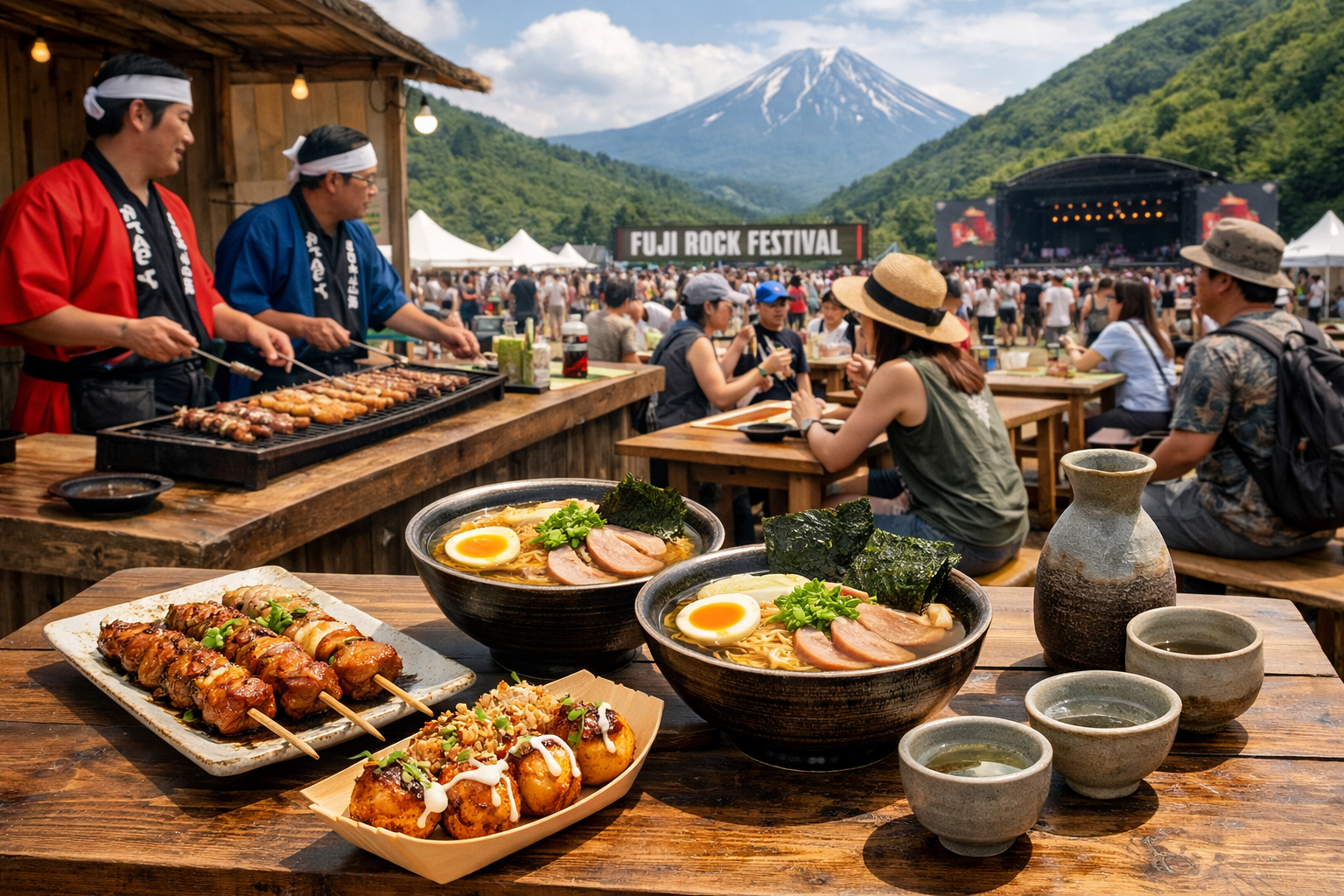
Fuji Rock’s food scene reflects Japan’s culinary excellence, offering everything from traditional festival foods to international cuisine. The festival features over 80 food vendors, many run by local restaurants and renowned chefs.
Traditional Festival Foods:
International Options:
Local Niigata Specialties:
Dining Budget and Strategy
Plan approximately ¥3,000-5,000 ($20-35) per day for meals, depending on preferences. Food quality is exceptionally high compared to many international festivals, with most meals ranging from ¥800-1,500 ($5-10).
Money-Saving Tips:
Transportation and Logistics
Getting Around the Festival
The festival grounds span 200 hectares of mountainous terrain, requiring significant walking. A shuttle bus system connects distant camping areas to the main festival grounds, operating 24 hours during the festival.
Internal Transportation:
Regional Transportation
From Major Cities:
Tokyo to Naeba:
Osaka to Naeba:
International Arrivals:
Safety and Security

Festival Safety Measures
Fuji Rock maintains exceptional safety standards with comprehensive medical facilities, security personnel, and emergency protocols. The festival’s safety record is outstanding, with serious incidents extremely rare.
Medical Facilities:
Weather Safety:
Personal Safety Tips
Environmental Sustainability
Eco-Friendly Initiatives
Fuji Rock Japan leads the festival industry in environmental responsibility, implementing comprehensive sustainability programs that have become a model for events worldwide.
Waste Management:
Energy and Resources:
Community Involvement:
Attendee Participation
Festival-goers are expected to participate actively in environmental stewardship:
Cultural Etiquette and Respect
Understanding Japanese Festival Culture
Attending Fuji Rock Japan 2026 offers immersion in Japanese cultural values, particularly the concepts of community responsibility and mutual respect.
Key Cultural Principles:
Practical Applications:
Language and Communication
While many festival staff speak English, learning basic Japanese phrases enhances the experience:
Essential Phrases:
Weather and Climate Considerations
Mountain Weather Patterns
Naeba’s mountain location creates unique weather challenges that attendees must prepare for. The elevation (900-1,400 meters) results in cooler temperatures and increased precipitation compared to Tokyo.
July Weather Expectations:
Weather Preparation Strategy:
Dealing with Rain
Rain is almost guaranteed during Fuji Rock, earning the festival its nickname “Mudji Rock” among veterans. However, rain creates a unique atmosphere that many attendees come to appreciate.
Rain Survival Tips:
Festival History and Legacy
Three Decades of Musical Excellence
Since its inception in 1997, Fuji Rock Japan has evolved from an ambitious experiment to Asia’s most prestigious music festival. The festival’s journey reflects Japan’s growing influence in global music culture and its unique approach to large-scale event management.
Milestone Moments:
Cultural Impact and Global Recognition
Fuji Rock has transcended its role as a music festival to become a cultural institution that bridges Eastern and Western musical traditions. The festival has:
Photography and Social Media
Capturing the Experience
Fuji Rock Japan 2026 offers countless photogenic moments, from mountain vistas to intimate musical performances. However, photography should respect both artist policies and fellow attendees’ experiences.
Photography Guidelines:
Best Photo Opportunities:
Social Media Strategy
Recommended Hashtags:
Content Ideas:
Economic Considerations and Budgeting
Comprehensive Budget Planning
Attending Fuji Rock Japan 2026 requires careful financial planning, particularly for international visitors dealing with currency exchange and varying price levels.
Detailed Budget Breakdown:
Essential Costs:
Additional Expenses:
Money-Saving Strategies
Advance Planning:
During the Festival:
Health and Wellness
Physical Preparation
The mountainous terrain and multi-day format of Fuji Rock Japan 2026 demands physical preparation, particularly for those unaccustomed to extensive walking and outdoor activities.
Fitness Recommendations:
Health Considerations:
Wellness During the Festival
Hydration Strategy:
Rest and Recovery:
Technology and Digital Preparation
Essential Apps and Digital Tools
Official Fuji Rock App:
Recommended Additional Apps:
Digital Photography and Storage
Equipment Recommendations:
Data and Connectivity:
Accessibility and Inclusive Experience
Accessibility Services
Fuji Rock Japan 2026 strives to accommodate attendees with diverse accessibility needs, though the mountainous terrain presents natural challenges.
Available Services:
Planning for Accessibility:
Inclusive Community
The festival welcomes attendees from all backgrounds and works to create an inclusive environment through:
Local Area Exploration
Beyond the Festival Grounds
The Naeba region offers numerous attractions for those extending their stay beyond Fuji Rock Japan 2026.
Natural Attractions:
Cultural Experiences:
Regional Cuisine and Specialties
Niigata Prefecture Delicacies:
Future of Fuji Rock
Evolution and Innovation
As Fuji Rock Japan approaches its 30th anniversary in 2026, the festival continues evolving while maintaining its core values of musical excellence and environmental responsibility.
Anticipated Developments:
Long-term Cultural Impact
Fuji Rock’s influence extends far beyond its three-day duration, shaping Japan’s music industry and international cultural exchange:
Conclusion
Fuji Rock Japan 2026 represents more than just a music festival—it’s a transformative cultural experience that combines world-class musical performances with Japanese hospitality, environmental stewardship, and community spirit. The festival’s unique mountain setting, commitment to sustainability, and celebration of both international and Japanese artists create an unparalleled experience for music lovers worldwide.
As you prepare for this extraordinary journey, remember that Fuji Rock rewards those who embrace its distinctive culture of respect, environmental consciousness, and musical discovery. The festival’s magic lies not only in the performances on stage but in the connections formed, the cultural insights gained, and the memories created against the backdrop of Japan’s stunning mountain landscape.
Whether you’re drawn by specific artists, cultural curiosity, or the promise of adventure, Fuji Rock Japan 2026 offers an opportunity to participate in one of Asia’s most significant cultural celebrations. The combination of meticulous Japanese organization, diverse international programming, and breathtaking natural beauty creates an experience that resonates long after the final encore.
Your Next Steps:
The journey to Naeba’s mountain peaks awaits, promising three days of musical magic, cultural immersion, and unforgettable memories. Welcome to the Fuji Rock family—where music, nature, and community converge in perfect harmony.
—
SEO Meta Information:
Meta Title: Fuji Rock Japan 2026: Complete Festival Guide & Tips
Meta Description: Ultimate guide to Fuji Rock Japan 2026: tickets, lineup, camping, travel tips, and everything you need for Japan’s premier music festival experience.
—