New York Carnival 2026: Your Ultimate Guide to the Caribbean’s Greatest Cultural Celebration
Picture this: the thunderous beats of steel drums echoing through the streets, thousands of elaborately costumed revelers dancing under the blazing sun, and the infectious energy of Caribbean culture taking over an entire city. This is the magic of New York Carnival 2026 – one of the most spectacular cultural celebrations in North America.
Every Labor Day weekend, the streets of Brooklyn transform into a vibrant Caribbean paradise as millions gather to experience the largest Caribbean carnival celebration outside the Caribbean islands themselves. From the stunning mas bands parading down Eastern Parkway to the pulsating rhythms of soca and calypso music, New York Carnival represents the ultimate fusion of tradition, artistry, and pure celebration.
Whether you’re a first-time visitor or a seasoned carnival veteran, understanding the rich history, intricate planning, and cultural significance of this extraordinary event will enhance your experience beyond imagination. The 2026 celebration promises to be particularly special, marking decades of Caribbean cultural preservation in the heart of New York City.
Key Takeaways
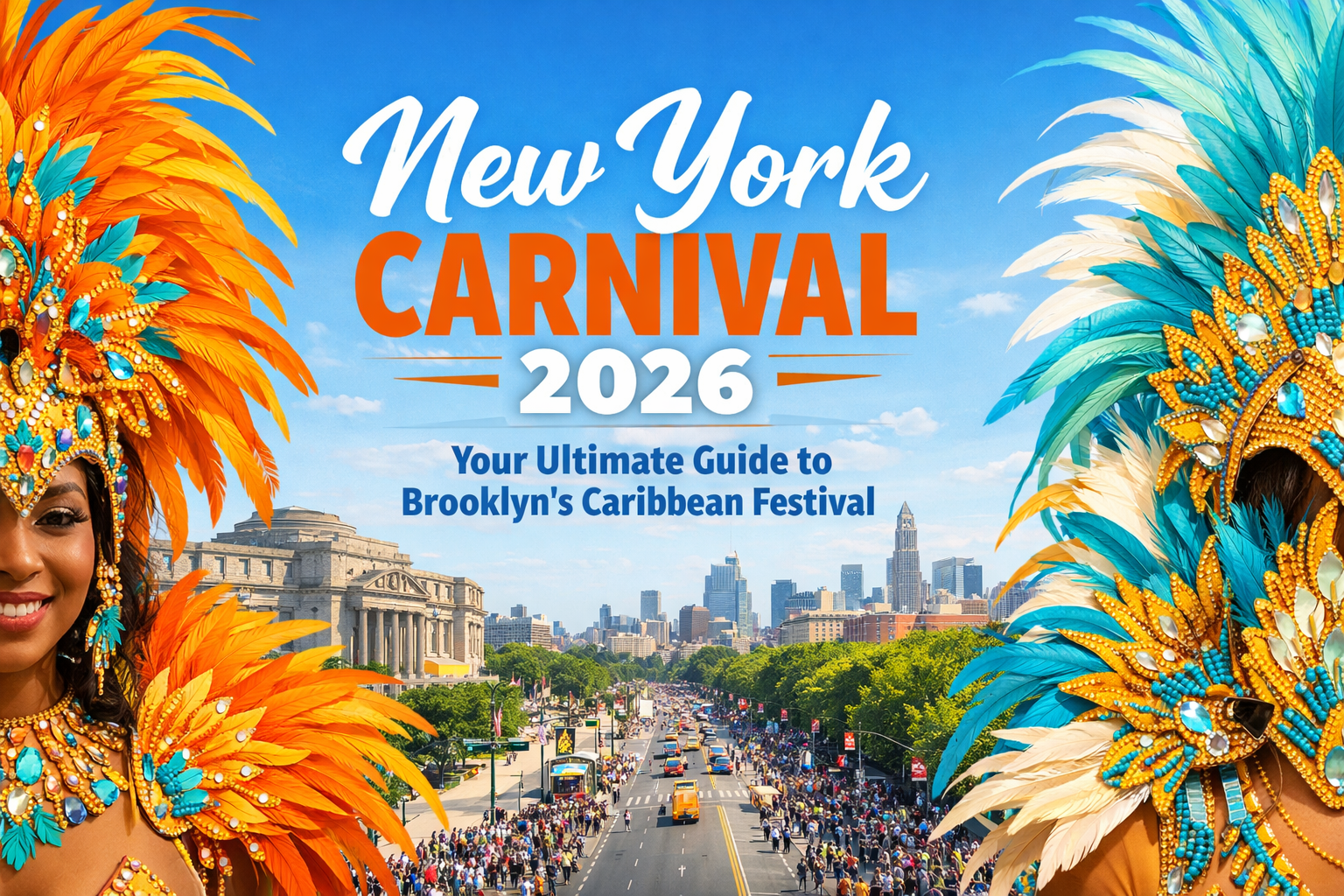
• New York Carnival 2026 takes place during Labor Day weekend (August 31 – September 7, 2026), featuring the grand parade on Monday, September 7th
• The celebration combines traditional Caribbean carnival elements with unique New York City flair, attracting over 2 million participants and spectators annually
• Planning ahead is essential – costume registration, accommodation booking, and event tickets should be secured 6-12 months in advance
• The festival offers experiences for all budgets, from free parade viewing to premium costume packages ranging from $200-$1,500
• Safety, hydration, and comfortable footwear are crucial for enjoying the multi-day celebration to its fullest
1. CARNIVAL BASICS
1.1 What is New York Carnival
New York Carnival represents the largest Caribbean cultural celebration in North America, transforming Brooklyn into a vibrant showcase of Caribbean heritage every Labor Day weekend. This magnificent festival traces its roots back to the 1960s when Caribbean immigrants began organizing small cultural gatherings in Harlem before eventually moving to Brooklyn’s Eastern Parkway.
The carnival’s history and origins stem from traditional Caribbean carnival celebrations, particularly those from Trinidad and Tobago, Barbados, Jamaica, and other West Indian nations. These celebrations originally developed during colonial times as a fusion of African traditions, European influences, and indigenous customs. Enslaved Africans used carnival as a form of cultural resistance and expression, preserving their heritage through music, dance, and elaborate costumes.
The cultural significance of New York Carnival extends far beyond entertainment. It serves as a powerful vehicle for cultural preservation, allowing Caribbean diaspora communities to maintain connections to their homeland while sharing their rich traditions with diverse New York audiences. The festival provides a platform for artists, musicians, designers, and performers to showcase authentic Caribbean culture while fostering unity among different Caribbean nations.
The evolution from the 1960s to present tells a remarkable story of growth and cultural impact. What began as small indoor gatherings has transformed into a massive outdoor celebration spanning multiple days and attracting participants from around the world. The festival gained official recognition in the 1970s and has since become an integral part of New York City’s cultural calendar.
While New York Carnival doesn’t hold UNESCO recognition like some traditional carnivals, it has received numerous cultural heritage acknowledgments from New York State and City officials. The celebration is recognized as one of the most authentic Caribbean cultural experiences outside the Caribbean region.
Comparison with other carnivals worldwide reveals New York Carnival’s unique position. Unlike Trinidad’s Carnival (held before Lent) or Brazil’s Rio Carnival, New York Carnival occurs during Labor Day weekend, making it accessible to working families and students. The festival combines traditional Caribbean elements with American organizational efficiency and New York’s multicultural flair.
1.2 When is Carnival
New York Carnival 2026 follows the traditional Labor Day weekend schedule, running from Saturday, August 29 through Monday, September 7, 2026. Unlike Caribbean carnivals that occur before Lent (typically February or March), New York Carnival strategically takes place during America’s Labor Day holiday weekend, ensuring maximum participation from working families and students.
The carnival calendar and countdown begins months in advance with costume launches typically occurring in spring (March-May). Band registrations open during summer months, while the intensity builds through August with numerous pre-carnival events, fetes, and competitions.
The best time to visit depends on your carnival goals. First-time visitors often prefer arriving Friday evening to acclimate and attend pre-carnival events. Serious carnival enthusiasts arrive earlier in the week to participate in multiple fetes and competitions. The peak celebration occurs on Carnival Monday (September 6, 2026) and Carnival Tuesday (September 7, 2026).
The duration of festivities spans approximately 10 days, with official events beginning the final weekend of August and culminating with the grand parade on Labor Day Monday. However, unofficial celebrations and related events can extend the carnival season throughout August.
1.3 Carnival Season Timeline
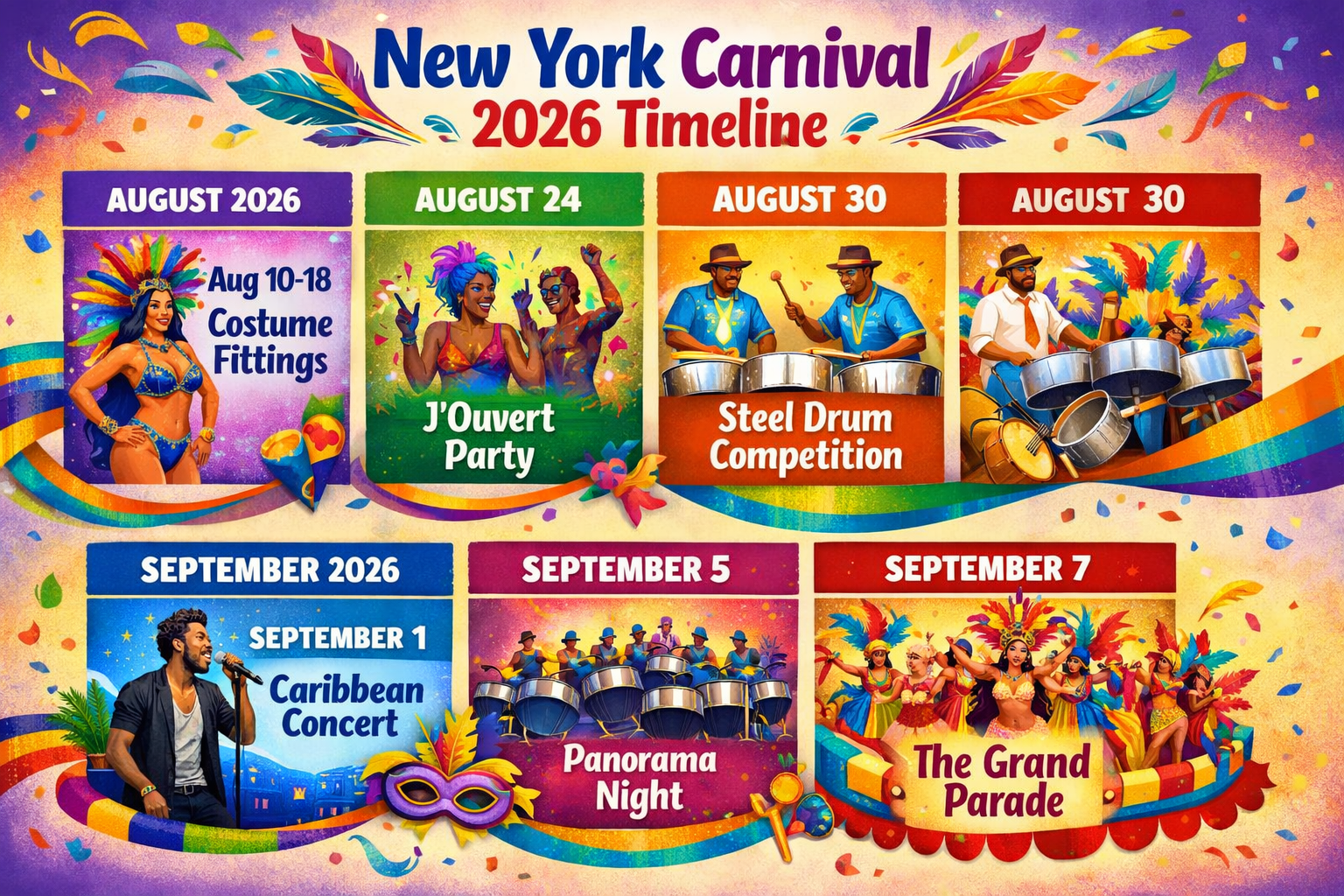
Post-Summer Activities begin in late August with band launches, costume fittings, and preliminary competitions. Steel drum orchestras intensify rehearsals, while mas bands conduct final preparations for their presentations.
Carnival Saturday and Sunday (August 29-30, 2026) feature numerous fetes, parties, and cultural events throughout Brooklyn and Manhattan. These events serve as warm-ups for the main celebration while providing opportunities for visitors to experience Caribbean nightlife and cuisine.
Carnival Monday (Mas Monday – September 6, 2026) traditionally features J’Ouvert celebrations beginning before dawn. This paint-and-powder celebration represents carnival’s most traditional and spiritual elements, with participants covering themselves in paint, mud, and powder while dancing to traditional percussion music.
Carnival Tuesday (Mas Tuesday – September 7, 2026) culminates with the spectacular parade along Eastern Parkway. Elaborate mas bands showcase months of preparation with stunning costumes, choreographed performances, and competitive presentations before thousands of spectators.
2. CARNIVAL EVENTS & ACTIVITIES
2.1 Major Events
The Grand Parade serves as New York Carnival’s crown jewel, featuring over 50 mas bands parading along a 2-mile route on Eastern Parkway from Utica Avenue to Grand Army Plaza. Spectators can expect 6-8 hours of continuous entertainment featuring elaborate floats, steel drum orchestras, and thousands of costumed participants.
What to expect includes massive crowds (often exceeding 100,000 spectators), loud music systems, food vendors lining the parade route, and an electric atmosphere of celebration. The parade typically begins around 11 AM and continues until early evening, with judging occurring at designated points along the route.
Safety tips include arriving early to secure good viewing positions, staying hydrated throughout the day, keeping personal belongings secure, and being aware of emergency exit routes. The NYPD maintains a significant presence, but visitors should exercise standard urban safety precautions.
The Steel Drum Competition represents one of carnival’s most prestigious events, typically held the weekend before the parade. Preliminaries, semifinals, and finals showcase the incredible talent of steel orchestras competing in various categories including large bands, medium bands, and youth divisions.
Where to watch varies by competition phase. Preliminaries often occur at multiple venues throughout Brooklyn, while finals typically take place at a central location such as the Brooklyn Museum or Prospect Park. Tickets range from $20-75 depending on seating and competition level.
Kings and Queens of Carnival competition showcases the most elaborate and artistic costume presentations. Individual competitors spend thousands of dollars and months of preparation creating massive, intricate costumes that tell cultural stories or represent historical themes. The venue and tickets information is typically announced in early summer, with premium viewing positions requiring advance purchase.
Mas Bands on the Road represent the parade’s main attraction. Monday Mas features smaller, more traditional presentations, while Tuesday Mas showcases the major bands with hundreds of participants each. Judging points are strategically located along Eastern Parkway where bands perform choreographed presentations for panels of judges.
Routes and stages include multiple performance areas where bands showcase their themes, music, and choreography. The main judging stage typically sits near the Brooklyn Museum, providing optimal viewing for both judges and spectators.
2.2 Competitions
Beyond the parade, numerous competitions celebrate different aspects of Caribbean culture. Calypso competitions feature singers performing original compositions addressing social, political, and cultural themes. Soca competitions focus on party music designed to energize carnival crowds.
Costume competitions occur in various categories including individual presentations, group presentations, and band competitions. Judging criteria include authenticity, creativity, craftsmanship, and cultural representation.
2.3 Pre-Carnival Parties
Fetes (Caribbean parties) begin weeks before carnival and intensify during carnival weekend. These events range from intimate gatherings to massive productions featuring international DJs and performers. Private vs public events offer different experiences – private fetes typically provide more exclusive atmospheres with premium amenities, while public events offer larger crowds and more affordable entry.
Popular fete venues include Brooklyn warehouses, Manhattan clubs, and outdoor spaces throughout the metropolitan area. Tickets range from $40-200 depending on the event’s exclusivity and included amenities.
3. MUSIC & CULTURE
3.1 Music Genres
Soca music dominates New York Carnival soundscapes, providing the infectious rhythms that drive carnival celebrations. This genre evolved from calypso in Trinidad during the 1970s, incorporating elements of Indian music, funk, and electronic dance music. Soca’s rapid tempo and repetitive hooks make it perfect for dancing and celebration.
Calypso represents carnival’s traditional musical foundation, featuring storytelling lyrics that address social commentary, politics, and humor. Master calypsonians use wit and wordplay to entertain while educating audiences about Caribbean culture and current events.
Steel drum music provides carnival’s most distinctive sound, with orchestras featuring dozens of musicians playing intricate arrangements on instruments crafted from oil drums. The steel drum’s invention in Trinidad during the 1940s represents one of the few acoustic instruments invented in the 20th century.
Reggae, dancehall, and afrobeats also feature prominently throughout carnival celebrations, reflecting the diverse Caribbean and African diaspora communities participating in New York Carnival.
3.2 Dance & Movement
Wining represents carnival’s signature dance movement, involving rhythmic hip rotations synchronized with soca music. This dance form connects directly to African traditions while serving as carnival’s primary form of expression and celebration.
Chipping involves a simple stepping movement that allows participants to move continuously throughout the parade route while conserving energy. Masqueraders use chipping between more energetic dance sequences to maintain stamina during the long parade.
Traditional Caribbean folk dances also appear throughout carnival, with different islands contributing unique movement styles and cultural expressions.
4. MASQUERADE BANDS
4.1 Choosing a Band
Selecting the right mas band significantly impacts your carnival experience. Large bands vs small bands offer different advantages – large bands provide elaborate productions, extensive support services, and prestigious reputations, while small bands offer more intimate experiences, personalized attention, and often more affordable options.
Band reputation and reviews should guide your selection process. Established bands like D’Midas, Sesame Flyers, and Brooklyn United typically deliver high-quality costumes and well-organized parade experiences. Research bands through social media, carnival forums, and previous participants’ testimonials.
Price ranges vary significantly based on band prestige, costume elaborateness, and included services. Budget options start around $200-400, mid-range costumes cost $500-800, while premium frontline costumes can exceed $1,200-1,500.
Costume sections within bands offer different price points and styles. Frontline sections feature the most elaborate costumes with extensive feathers, beading, and accessories. Backline sections provide simpler but still beautiful costumes at lower price points. Male sections typically cost less than female sections and feature different styling approaches.
4.2 Band Registration Process
Most bands open registration during spring and summer months, with popular bands selling out quickly. Early bird pricing often provides significant savings, while payment plans allow participants to spread costume costs over several months.
Registration typically requires deposits of $100-300, with final payments due 4-6 weeks before carnival. Some bands offer package deals including costumes, food, drinks, and transportation.
4.3 Band Services
Established bands provide comprehensive support including costume fittings, alterations, parade day coordination, food and beverage service, and security. Many bands offer mobile apps providing real-time updates, route information, and communication tools.
Band trucks provide music systems, charging stations, and rest areas throughout the parade. Premium bands often include professional photographers and videographers to document participants’ experiences.
4.4 Alternative Mas
Individual mas allows experienced participants to create their own costumes and parade independently or with small groups. This option requires extensive planning and carnival knowledge but offers complete creative control.
Small bands (under 100 participants) provide intimate experiences with personalized attention and often focus on specific cultural themes or traditional presentations.
Traditional character bands showcase historical Caribbean figures and cultural stories through elaborate individual costumes and theatrical presentations.
Historical presentations educate audiences about Caribbean history, folklore, and cultural traditions through carefully researched and authentic costume displays.
5. COSTUMES
5.1 Costume Selection
Costume sections within bands offer various options to suit different preferences and budgets. Frontline costumes represent the band’s premium offerings, featuring extensive featherwork, intricate beading, elaborate headpieces, and the most striking visual elements. These costumes often serve as the band’s showcase pieces and carry the highest price tags.
Backline costumes provide beautiful options at more accessible price points. While less elaborate than frontline pieces, backline costumes still feature quality construction, attractive designs, and the full carnival experience.
Male vs female costumes reflect different design philosophies. Female costumes typically feature bikini-style tops, decorative belts, and elaborate accessories, while male costumes often include shorts, vests, or themed shirts with complementary accessories.
Sizing and fitting require careful attention, as carnival costumes use different sizing systems than regular clothing. Most bands conduct multiple fitting sessions to ensure proper fit and comfort for the long parade day.
Price ranges span from $200 for basic backline positions to over $1,500 for premium frontline costumes. Factors affecting pricing include costume complexity, materials used, designer reputation, and included services.
Costume reveal season typically occurs during spring months when bands unveil their annual themes and costume designs. These events generate significant excitement and often influence registration decisions.
5.2 Costume Elements
Headpieces serve as costume focal points, often featuring elaborate featherwork, lighting elements, or sculptural designs. These pieces require careful handling and may need special transportation considerations.
Backpacks/back pieces create dramatic silhouettes and often incorporate the costume’s most spectacular elements. Modern designs use lightweight materials to reduce fatigue while maximizing visual impact.
Belts and leg pieces provide structural elements while maintaining comfort for extended dancing and movement. Quality construction ensures durability throughout the parade day.
Bras and bodywear form the costume foundation, requiring proper fit and support for active participation. Many participants choose to wear additional support garments underneath for comfort and security.
Monokinis vs bikinis offer different coverage and styling options. Monokinis provide more coverage and support, while bikinis offer traditional carnival styling.
Embellishments and materials include feathers, beads, and crystals that create carnival’s signature glamour. Modern costumes often incorporate LED lighting, holographic materials, and innovative textiles for enhanced visual impact.
5.3 Costume Preparation
Fittings and alterations ensure optimal comfort and appearance. Most bands schedule multiple fitting sessions, with final fittings occurring close to carnival dates to accommodate any body changes.
Customization options may include color choices, sizing adjustments, or additional embellishments. Some bands offer upgrade packages for enhanced costume elements.
Costume collection typically occurs during the week before carnival, with bands providing specific pickup schedules and locations. Some bands offer delivery services for additional fees.
What to bring on the road includes backup accessories, safety pins for emergency repairs, comfortable undergarments, and protective bags for costume elements during breaks.
Costume care and storage requires proper handling to preserve elaborate elements. Many participants invest in garment bags and storage solutions to protect their costumes for future use or resale.
New York Carnival 2026 Budget Calculator
.cg-calculator-container {
max-width: 800px;
margin: 20px auto;
padding: 20px;
font-family: 'Arial', sans-serif;
background: linear-gradient(135deg, #ff6b35, #f7931e, #ffd23f);
border-radius: 15px;
box-shadow: 0 10px 30px rgba(0,0,0,0.2);
color: #333;
}
.cg-calculator-header {
text-align: center;
margin-bottom: 30px;
}
.cg-calculator-title {
font-size: 2.2em;
font-weight: bold;
color: #fff;
text-shadow: 2px 2px 4px rgba(0,0,0,0.3);
margin-bottom: 10px;
}
.cg-calculator-subtitle {
font-size: 1.1em;
color: #fff;
opacity: 0.9;
}
.cg-calculator-grid {
display: grid;
grid-template-columns: repeat(auto-fit, minmax(300px, 1fr));
gap: 20px;
margin-bottom: 30px;
}
.cg-calculator-section {
background: rgba(255,255,255,0.95);
padding: 20px;
border-radius: 10px;
box-shadow: 0 5px 15px rgba(0,0,0,0.1);
}
.cg-calculator-section h3 {
color: #d32f2f;
margin-top: 0;
margin-bottom: 15px;
font-size: 1.3em;
border-bottom: 2px solid #ff6b35;
padding-bottom: 8px;
}
.cg-calculator-input-group {
margin-bottom: 15px;
}
.cg-calculator-label {
display: block;
margin-bottom: 5px;
font-weight: bold;
color: #555;
}
.cg-calculator-input, .cg-calculator-select {
width: 100%;
padding: 10px;
border: 2px solid #ddd;
border-radius: 5px;
font-size: 16px;
box-sizing: border-box;
transition: border-color 0.3s;
}
.cg-calculator-input:focus, .cg-calculator-select:focus {
outline: none;
border-color: #ff6b35;
}
.cg-calculator-results {
background: rgba(255,255,255,0.95);
padding: 25px;
border-radius: 10px;
text-align: center;
box-shadow: 0 5px 15px rgba(0,0,0,0.1);
}
.cg-calculator-total {
font-size: 2.5em;
font-weight: bold;
color: #d32f2f;
margin: 20px 0;
text-shadow: 1px 1px 2px rgba(0,0,0,0.1);
}
.cg-calculator-breakdown {
display: grid;
grid-template-columns: repeat(auto-fit, minmax(200px, 1fr));
gap: 15px;
margin-top: 20px;
}
.cg-calculator-breakdown-item {
background: #f5f5f5;
padding: 15px;
border-radius: 8px;
border-left: 4px solid #ff6b35;
}
.cg-calculator-breakdown-label {
font-weight: bold;
color: #555;
margin-bottom: 5px;
}
.cg-calculator-breakdown-value {
font-size: 1.3em;
color: #d32f2f;
font-weight: bold;
}
.cg-calculator-tips {
background: rgba(255,255,255,0.9);
padding: 20px;
border-radius: 10px;
margin-top: 20px;
border: 2px solid #4caf50;
}
.cg-calculator-tips h4 {
color: #4caf50;
margin-top: 0;
margin-bottom: 15px;
}
.cg-calculator-tips ul {
margin: 0;
padding-left: 20px;
}
.cg-calculator-tips li {
margin-bottom: 8px;
color: #555;
}
@media (max-width: 768px) {
.cg-calculator-container {
margin: 10px;
padding: 15px;
}
.cg-calculator-title {
font-size: 1.8em;
}
.cg-calculator-total {
font-size: 2em;
}
.cg-calculator-grid {
grid-template-columns: 1fr;
}
}
🎭 New York Carnival 2026 Budget Calculator
Plan your perfect carnival experience with accurate cost estimates
🎨 Costume & Band
Backline Basic ($200)
Backline Premium ($400)
Mid-line ($600)
Frontline Standard ($900)
Frontline Premium ($1,200)
Frontline VIP ($1,500)
🏨 Accommodation
Budget Hotel/Hostel ($400)
Mid-range Hotel ($800)
Luxury Hotel ($1,200)
Airbnb Shared ($600)
Airbnb Private ($1,000)
✈️ Transportation
🎉 Events & Entertainment
🍽️ Food & Dining
🛍️ Miscellaneous
💰 Your Total Carnival Budget
$0
💡 Money-Saving Tips
- Book Early: Costume and accommodation prices increase closer to carnival dates
- Share Accommodations: Split costs with friends or carnival groups
- Look for Package Deals: Some bands offer costume + fete bundles
- Eat Local: Street food and local restaurants are more affordable than tourist spots
- Use Public Transport: NYC subway is efficient and cost-effective
- Pre-drink Responsibly: Venue drinks can be expensive
function calculateTotal() {
const costumeType = parseInt(document.getElementById('costumeType').value);
const accessories = parseInt(document.getElementById('accessories').value) || 0;
const accommodation = parseInt(document.getElementById('accommodation').value);
const nights = parseInt(document.getElementById('nights').value) || 1;
const flight = parseInt(document.getElementById('flight').value) || 0;
const localTransport = parseInt(document.getElementById('localTransport').value) || 0;
const feteCount = parseInt(document.getElementById('feteCount').value) || 0;
const fetePrice = parseInt(document.getElementById('fetePrice').value) || 0;
const competitions = parseInt(document.getElementById('competitions').value) || 0;
const dailyFood = parseInt(document.getElementById('dailyFood').value) || 0;
const specialDining = parseInt(document.getElementById('specialDining').value) || 0;
const shopping = parseInt(document.getElementById('shopping').value) || 0;
const emergency = parseInt(document.getElementById('emergency').value) || 0;
const costumeTotal = costumeType + accessories;
const accommodationTotal = accommodation * (nights / 4); // Base prices are for 4 nights
const entertainmentTotal = (feteCount * fetePrice) + competitions;
const foodTotal = (dailyFood * nights) + specialDining;
const transportTotal = flight + localTransport;
const miscTotal = shopping + emergency;
const total = costumeTotal + accommodationTotal + transportTotal + entertainmentTotal + foodTotal + miscTotal;
document.getElementById('totalCost').textContent = '$' + total.toLocaleString();
const breakdown = document.getElementById('breakdown');
breakdown.innerHTML = `
Costume & Accessories
$${costumeTotal.toLocaleString()}
Accommodation (${nights} nights)
$${Math.round(accommodationTotal).toLocaleString()}
Transportation
$${transportTotal.toLocaleString()}
Events & Entertainment
$${entertainmentTotal.toLocaleString()}
Food & Dining
$${foodTotal.toLocaleString()}
Shopping & Emergency
$${miscTotal.toLocaleString()}
`;
}
// Add event listeners to all inputs
document.addEventListener('DOMContentLoaded', function() {
const inputs = document.querySelectorAll('.cg-calculator-input, .cg-calculator-select');
inputs.forEach(input => {
input.addEventListener('input', calculateTotal);
input.addEventListener('change', calculateTotal);
});
// Initial calculation
calculateTotal();
});
6. PLANNING YOUR CARNIVAL
6.1 When to Book
Costume sales timeline typically follows a predictable schedule, with most bands launching their collections between March and June 2025. Early bird pricing often provides savings of $50-150 per costume, making advance planning financially beneficial. Popular bands and frontline positions sell out quickly, sometimes within weeks of launch.
Accommodation booking should begin as early as possible, ideally 8-12 months before carnival. Brooklyn hotels and Airbnb properties near the parade route book up rapidly, with prices increasing significantly as carnival approaches. Prime locations can triple in price during carnival weekend.
Flight booking follows similar patterns, with the best deals available 6-9 months in advance. Labor Day weekend represents peak travel time to New York, making early booking essential for reasonable prices. Consider arriving mid-week for better flight deals and extended carnival experiences.
Fete ticket purchasing varies by event popularity and exclusivity. Major fetes often sell out months in advance, while smaller events may have tickets available closer to carnival dates. Premium events featuring international artists require early purchase.
6.2 Budgeting
Costume costs range dramatically based on band choice and section selection. Budget-conscious participants can find options starting around $200-300, while premium frontline costumes can exceed $1,200-1,500. Consider additional costs for accessories, alterations, and transportation to band events.
Accommodation costs vary significantly by location and timing. Budget options include hostels ($50-80/night), mid-range hotels ($150-250/night), and luxury properties ($300-500/night). Airbnb options range from shared rooms ($60-100/night) to entire apartments ($200-400/night).
Fete tickets typically cost $40-100 for standard events, with premium parties reaching $150-250. VIP packages offering open bars and premium amenities can exceed $300-400 per event.
Food and drinks budgets should account for both carnival day needs and dining throughout the trip. Daily food costs range from $40-60 for budget dining to $100-150 for restaurant meals. Carnival day hydration and snacks add $20-40 to daily expenses.
Transportation includes flights (varying by origin), airport transfers ($15-50), and local transportation. MetroCards provide economical local transport, while ride-sharing during carnival can be expensive due to high demand.
Total estimated budget for New York Carnival 2026 ranges from $800-1,200 for budget experiences to $2,500-4,000 for premium carnival experiences, not including flights.
Money-saving tips include booking early, sharing accommodations, choosing backline costumes, eating at local establishments, using public transportation, and attending free events like the parade viewing.
6.3 Travel Logistics
Visa requirements vary by nationality. International visitors should check current U.S. visa requirements well in advance, as processing times can extend several months. ESTA authorization suffices for many countries but requires advance application.
Flights to New York serve three major airports: JFK, LaGuardia, and Newark. JFK offers the most international connections, while LaGuardia provides closer access to Manhattan. Newark often features competitive pricing but requires longer travel times to Brooklyn.
Airport transfers include various options: AirTrain + subway ($8-15), shared shuttles ($20-30), taxis ($50-80), or ride-sharing ($40-70). Consider traffic patterns and luggage requirements when choosing transfer methods.
Currency and payments in New York primarily use U.S. dollars, with credit cards widely accepted. Notify banks of travel plans to avoid card blocks. ATMs are readily available, though carnival vendors may prefer cash.
Travel insurance provides essential protection for costume investments, trip cancellations, and medical emergencies. Specialized carnival insurance covers costume damage and event cancellations.
6.4 Accommodation
Hotels in Brooklyn near the parade route offer convenience but book quickly. Popular options include Hotel Le Bleu, Nu Hotel Brooklyn, and various chain properties. Expect premium pricing during carnival weekend.
Airbnb options provide diverse choices from shared rooms to entire apartments. Crown Heights, Prospect Heights, and Park Slope offer good access to carnival events. Book early for best selection and pricing.
Areas to stay should balance convenience, safety, and budget. Brooklyn neighborhoods like Crown Heights and Prospect Heights provide easy parade access, while Manhattan options offer more dining and nightlife but require travel to Brooklyn for carnival events.
Safety considerations include choosing well-lit areas, secure buildings, and neighborhoods with good public transportation access. Research neighborhood safety ratings and read recent reviews from previous guests.
Proximity to events significantly impacts your carnival experience. Staying within walking distance of Eastern Parkway eliminates transportation concerns but comes at premium pricing. Consider proximity to subway lines for easy access from more distant accommodations.
7. WHAT TO PACK & WEAR
7.1 Carnival Day Essentials
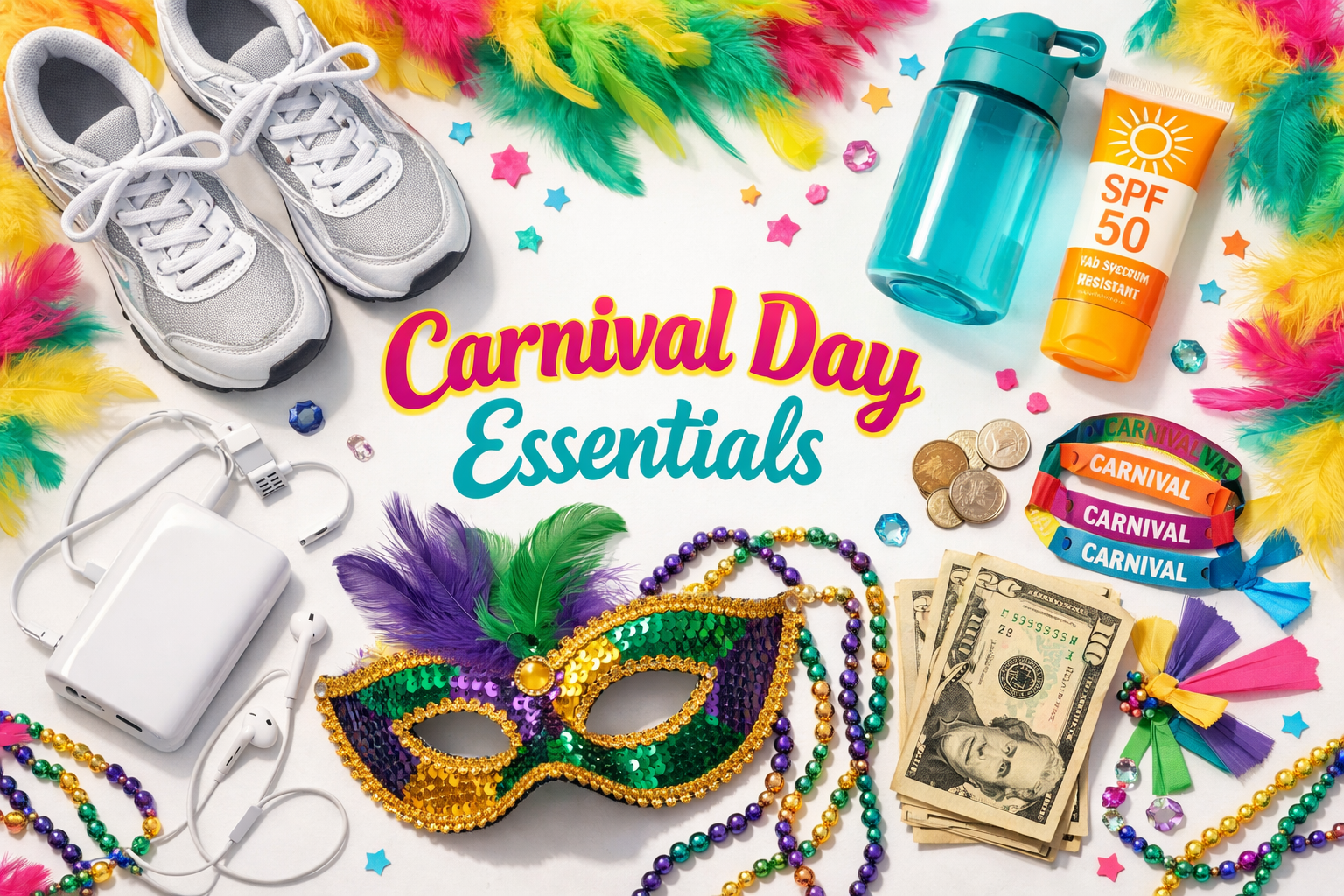
Comfortable shoes/sneakers represent the most critical carnival day decision. Participants walk and dance for 6-8 hours on asphalt, making proper footwear essential for enjoyment and safety. Avoid new shoes that might cause blisters, and consider bringing backup footwear for emergencies.
Athletic/dance wear under costume provides comfort and protection during extended activity. Moisture-wicking fabrics help manage perspiration, while proper undergarments ensure costume security and personal comfort. Sports bras offer essential support for female participants.
Hydration pack/water bottle maintains essential fluid intake throughout the long parade day. Dehydration represents a serious risk during carnival, particularly with alcohol consumption and extended sun exposure. Many participants use hands-free hydration systems for convenience.
Sunscreen (waterproof) requires frequent reapplication throughout carnival day. Choose high SPF formulations designed for extended outdoor activity and sweating. Consider zinc-based products for sensitive areas like noses and shoulders.
Portable phone charger ensures communication capability throughout the day. Carnival days drain phone batteries quickly due to constant photo-taking, GPS use, and communication with band members. Waterproof charging solutions provide additional protection.
Waterproof phone case/pouch protects devices from paint (during J’Ouvert), sweat, and potential weather. Touch-screen compatible cases allow continued phone use while providing essential protection.
Small backpack or fanny pack carries essentials while keeping hands free for dancing and celebration. Choose secure, comfortable options that won’t interfere with costume elements or movement.
Cash and cards should be distributed across multiple secure locations. Carnival vendors often prefer cash, while emergencies may require card access. Notify banks of travel plans to prevent card blocks.
7.2 Weather Considerations
New York weather in early September typically features warm, humid conditions with potential for afternoon thunderstorms. Temperature ranges usually span 70-85°F (21-29°C), but can vary significantly.
Rain preparation includes waterproof costume protection, quick-dry clothing, and covered footwear options. Many participants bring plastic bags for costume elements during unexpected showers.
Sun protection extends beyond sunscreen to include hats, sunglasses, and UV-protective clothing. Extended sun exposure during parade participation requires comprehensive protection strategies.
7.3 Fete Attire
Festival wear for pre-carnival parties ranges from casual to elaborate themed outfits. Research specific fete dress codes, as some events require particular colors, themes, or styling approaches.
Comfortable dancing shoes for fetes differ from parade footwear needs. Indoor venues allow for different shoe choices, though comfort remains essential for extended dancing.
Light, breathable clothing accommodates crowded, warm party environments. Fabrics that handle perspiration and frequent movement enhance fete enjoyment.
Themed outfits may be required for specific events. Popular themes include all-white parties, neon events, and cultural celebrations requiring particular styling approaches.
8. FOOD & DRINK
8.1 Carnival Food
Road-side snacks during carnival include traditional Caribbean treats like doubles, roti, jerk chicken, and festival bread. Vendors line the parade route offering authentic flavors that fuel carnival participants throughout the day.
Caribbean specialties featured during carnival weekend include curry goat, oxtail, rice and peas, plantains, and various seafood preparations. Many restaurants offer special carnival menus featuring traditional dishes.
Where to eat during carnival includes established Caribbean restaurants in Brooklyn like Gloria’s, Peppa’s Jerk Chicken, and various establishments along Nostrand Avenue and Flatbush Avenue. Food trucks and temporary vendors also provide convenient options near the parade route.
Street food safety during carnival requires choosing vendors with high turnover and proper food handling practices. Popular vendors with long lines often indicate fresh, safe options.
8.2 Drinks
Rum and cocktails dominate carnival beverage culture, with traditional drinks like rum punch, painkiller, and various tropical cocktails. Many participants prepare themed drinks for band consumption during the parade.
Local beers include popular Caribbean brands like Red Stripe, Carib, and Presidente, often available from vendors throughout carnival events. American craft beers also feature prominently at various venues.
Staying hydrated requires balancing alcohol consumption with water intake throughout carnival activities. The combination of sun, activity, and alcohol creates significant dehydration risks that require careful management.
Cooler systems on the road allow bands to provide beverages throughout the parade route. Many bands include drink packages in costume pricing, while others offer cash bars on their trucks.
8.3 Restaurants & Cuisine
Brooklyn’s Caribbean restaurant scene offers authentic dining experiences throughout carnival weekend. Crown Heights and Flatbush feature numerous establishments serving traditional dishes from various Caribbean islands.
Special carnival menus often appear at restaurants during carnival weekend, featuring traditional dishes and themed presentations. Reservations become essential at popular establishments during carnival weekend.
Food delivery services operate throughout carnival weekend, though delays may occur due to increased demand and traffic restrictions around parade routes.
9. SAFETY & TIPS
9.1 Safety Guidelines
Travel in groups provides essential security during carnival events, particularly during evening fetes and late-night activities. Establish meeting points and communication protocols with your group before separating.
Keep valuables secure using hidden pouches, hotel safes, and distributed storage strategies. Avoid displaying expensive jewelry, electronics, or large amounts of cash during carnival events.
Be aware of surroundings by staying alert to crowd dynamics, potential hazards, and emergency exit routes. Large crowds can create dangerous situations if panic occurs or emergency evacuation becomes necessary.
Emergency contacts should include local police (911), band organizers, accommodation providers, and designated emergency contacts at home. Program important numbers into phones before carnival activities begin.
Authorized taxi services include licensed yellow cabs, ride-sharing apps, and pre-arranged transportation services. Avoid unlicensed vehicles, particularly during late-night hours or in unfamiliar areas.
Avoiding dangerous areas requires research and local knowledge. While carnival areas are generally well-patrolled, some Brooklyn neighborhoods require extra caution, particularly during late-night hours.
9.2 Health Considerations
Staying hydrated requires consuming water regularly throughout carnival activities, particularly when combining alcohol, sun exposure, and physical activity. Signs of dehydration include headaches, dizziness, and fatigue.
Sun protection extends beyond sunscreen to include protective clothing, regular shade breaks, and recognizing heat exhaustion symptoms. Fair-skinned participants require extra attention to sun exposure prevention.
Foot care and blisters prevention includes proper footwear, moisture management, and blister treatment supplies. Foot problems can ruin carnival experiences, making prevention essential.
Stamina and rest management involves pacing activities throughout carnival weekend. The multi-day celebration can be physically demanding, requiring strategic rest periods and energy conservation.
Medical facilities near carnival events include Brooklyn hospitals and urgent care centers. Identify nearby medical facilities before carnival begins, and ensure insurance coverage for emergency situations.
Prescription medications should be brought in sufficient quantities with proper documentation. Consider bringing extra medications in case of travel delays or lost luggage.
9.3 First-Timer Tips
Start with smaller fetes to acclimate to carnival culture and energy levels before attending major events. Smaller parties provide opportunities to learn carnival etiquette and dancing without overwhelming crowds.
Pace yourself throughout carnival weekend by balancing high-energy events with rest periods. Veteran carnival-goers understand that endurance matters more than intensity for maximum enjoyment.
Make friends with locals who can provide insider knowledge about best food spots, safety considerations, and carnival traditions. Caribbean communities are generally welcoming to respectful visitors.
Join band WhatsApp groups for real-time updates, route information, and community building. These groups provide valuable information and support throughout carnival weekend.
Download band apps that offer GPS tracking, schedule updates, and communication tools. Many bands provide custom apps with essential carnival day information.
Study parade routes in advance to understand timing, judging points, and optimal viewing locations. Route knowledge helps plan meeting points and bathroom breaks throughout the day.
10. ACCOMMODATION OPTIONS
10.1 Hotel Recommendations
Luxury hotels in Manhattan provide premium amenities but require travel to Brooklyn for carnival events. Options include The Plaza, The St. Regis, and various boutique properties offering concierge services and high-end accommodations.
Mid-range hotels in Brooklyn offer better access to carnival events at moderate prices. Properties like Hotel Le Bleu, Nu Hotel Brooklyn, and Hampton Inn provide comfort and convenience without luxury pricing.
Budget accommodations include hostels, budget hotel chains, and shared accommodations. HI New York Hostel and various budget chains offer basic amenities at affordable rates.
Boutique properties throughout Brooklyn and Manhattan provide unique experiences with personalized service. These smaller hotels often offer character and local flavor that chain properties lack.
10.2 Alternative Accommodations
Airbnb rentals range from shared rooms to entire apartments, offering diverse options for different group sizes and budgets. Brooklyn listings near the parade route provide optimal convenience.
Vacation rentals through various platforms offer apartment and house options for larger groups. These properties often provide kitchens and multiple bedrooms for extended stays.
Homestays with Caribbean families provide cultural immersion opportunities and local insights. These arrangements often include meals and insider knowledge about carnival traditions.
Corporate housing serves longer-term visitors or business travelers attending carnival. These furnished apartments offer home-like amenities for extended stays.
10.3 Booking Strategies
Early booking provides the best selection and pricing, particularly for properties near carnival events. Prime locations book 8-12 months in advance for carnival weekend.
Flexible dates can provide savings by arriving mid-week or extending stays beyond carnival weekend. Tuesday-Thursday arrivals often feature lower rates than weekend bookings.
Group bookings may qualify for discounts at hotels or bulk pricing for vacation rentals. Coordinate with carnival groups for potential savings and shared accommodations.
Cancellation policies become important given carnival’s weather dependency and potential travel disruptions. Choose accommodations with flexible cancellation terms when possible.
11. PHOTOGRAPHY & MEDIA
11.1 Photography Tips
Best spots for photos include the Brooklyn Museum area, Grand Army Plaza, and various judging points along Eastern Parkway. These locations offer optimal backgrounds and lighting for carnival photography.
Hiring a photographer provides professional documentation of your carnival experience. Many local photographers specialize in carnival coverage and offer package deals for costume shoots and parade coverage.
Band photographers often provide professional images included in costume packages. Research band photography policies and additional services available for purchase.
Instagram-worthy locations extend beyond the parade route to include Brooklyn Botanic Garden, Prospect Park, and various Brooklyn neighborhoods offering colorful backdrops for costume photography.
Drone regulations in New York City require special permits and restrict usage in most areas. Check current FAA and local regulations before bringing drone equipment to carnival events.
11.2 Social Media
Hashtags to use include #NYCarnival2026, #BrooklynCarnival, #CarnivalTuesday, #MasqueradeNYC, and band-specific hashtags. Research trending hashtags before carnival to maximize social media reach.
Following carnival updates through official social media accounts provides real-time information about schedule changes, weather updates, and event modifications.
Band social media channels offer behind-the-scenes content, costume reveals, and participant features. Many bands encourage social media engagement through contests and featured posts.
Live streams and coverage allow friends and family to follow your carnival experience remotely. Many participants provide live updates throughout carnival weekend for distant supporters.
11.3 Capturing Memories
Video highlights require planning for battery life, storage capacity, and equipment protection. Consider creating daily highlight reels rather than continuous recording to manage storage and battery concerns.
GoPro recommendations include waterproof models suitable for J’Ouvert paint celebrations and extended outdoor use. Chest mounts and head straps provide hands-free recording options.
Professional photo packages from band photographers or independent professionals provide high-quality images without the hassle of managing equipment during carnival participation.
Copyright and privacy considerations include respecting other participants’ privacy and understanding usage rights for professional photos. Always ask permission before photographing other carnival participants up close.
12. BEYOND CARNIVAL
12.1 Pre-Carnival Activities
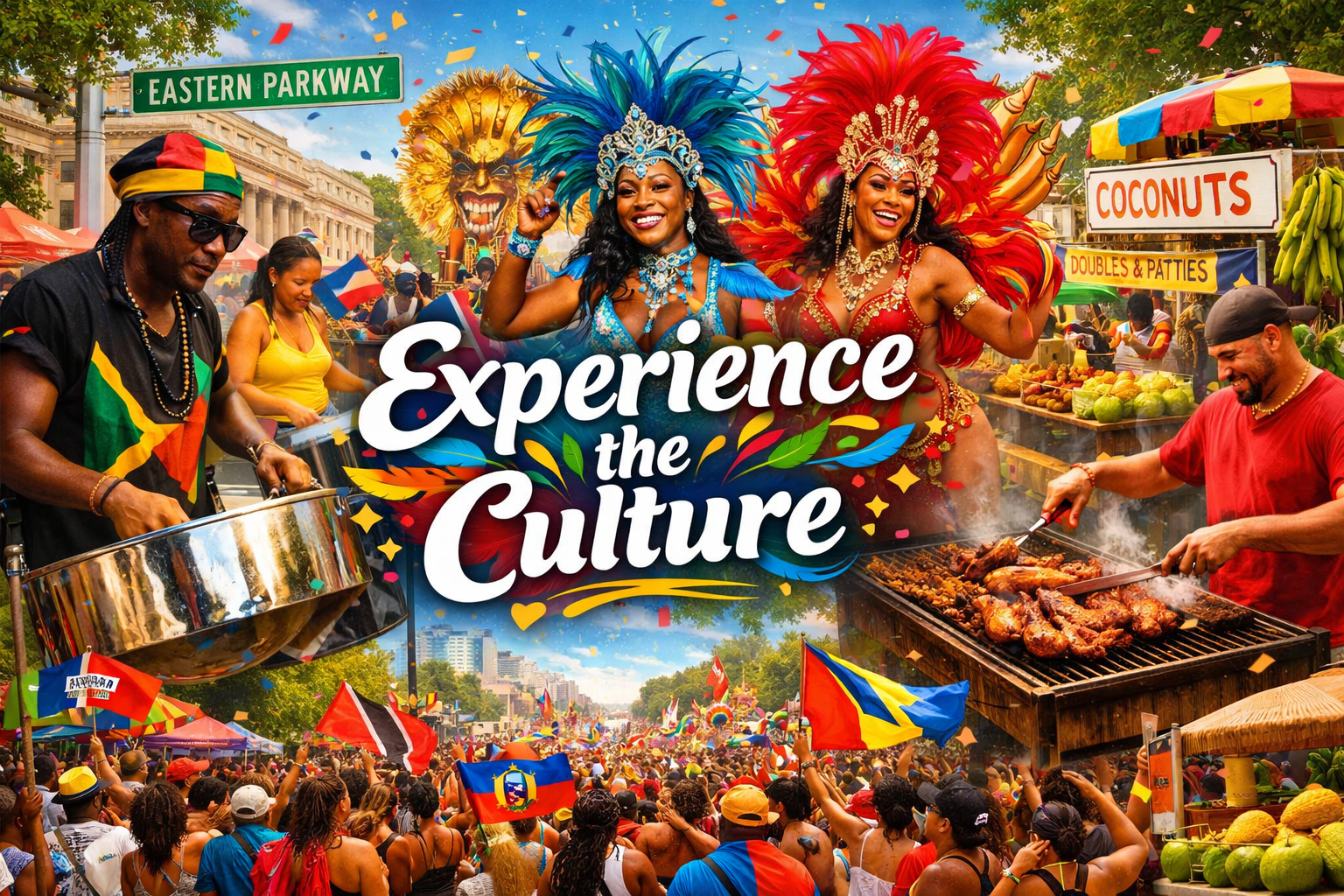
Cultural events throughout August include art exhibitions, music showcases, and educational programs celebrating Caribbean culture. Museums and cultural centers often feature special programming leading up to carnival.
Band launches provide opportunities to see costume collections and meet band organizers before making registration decisions. These events often feature entertainment, food, and early bird pricing specials.
Workshops and classes in Caribbean dance, music, and culture prepare visitors for carnival participation while providing deeper cultural understanding. Many community centers offer these programs throughout the summer.
Restaurant week events and special menus appear throughout carnival season, showcasing Caribbean cuisine and providing dining experiences beyond carnival weekend.
12.2 Post-Carnival Recovery
Rest and recuperation becomes essential after the physically demanding carnival weekend. Plan lighter activities for the days immediately following carnival to allow for recovery.
Costume care includes proper cleaning, storage, and potential resale preparation. Many participants preserve costumes as keepsakes or sell them to future carnival participants.
Photo organization and sharing extends carnival memories beyond the weekend. Create albums, share with band members, and preserve memories for future reference.
Planning next year often begins immediately after carnival ends, with early bird specials and band announcements appearing within weeks of the current year’s celebration.
12.3 Post-Carnival Activities
Hiking and nature in nearby areas like the Catskills or Hudson Valley provide peaceful recovery environments after carnival’s intensity. These areas offer beautiful fall foliage during early September.
Cultural sites throughout New York City extend Caribbean cultural exploration beyond carnival. Museums, galleries, and cultural centers provide ongoing educational opportunities.
Relaxation and recovery options include spas, beaches, and quiet neighborhoods for decompressing after carnival weekend. Many participants extend their stays to explore New York at a more leisurely pace.
13. CARNIVAL INDUSTRY
13.1 Costume Production
How costumes are made involves months of planning, design, and construction by skilled artisans. The process begins with theme development, followed by sketching, material sourcing, and assembly by teams of specialized workers.
Designers and builders include both established artists and emerging talents who bring creativity and craftsmanship to carnival costume production. Many designers work year-round preparing for the next carnival season.
Innovation in carnival includes LED lighting, lightweight materials, and sustainable production methods. Modern costumes balance traditional aesthetics with contemporary technology and comfort improvements.
The costume production industry employs hundreds of workers throughout the New York area, from designers and seamstresses to metalworkers and decorators. This economic ecosystem supports families and preserves traditional Caribbean crafts.
13.2 Economic Impact
Tourism statistics show New York Carnival generates over $300 million in economic activity annually. Hotel bookings, restaurant sales, and retail spending surge during carnival weekend, benefiting the broader New York economy.
Industry size encompasses costume production, event management, security services, food vendors, and transportation services. The carnival industry directly employs thousands of workers and supports numerous businesses year-round.
Employment opportunities include seasonal work in costume production, event staffing, security, and vendor services. Many participants work in the carnival industry to support their own carnival participation.
Sponsorships from corporations and local businesses provide essential funding for bands, events, and infrastructure. These partnerships help maintain carnival’s accessibility while supporting community organizations.
13.3 Carnival Arts
Wire bending represents a specialized skill requiring years of training to create the structural frameworks that support elaborate costume elements. Master wire benders command high respect within the carnival community.
Costume design combines artistic vision with practical considerations like weight, durability, and dancer mobility. Successful designers balance aesthetic impact with participant comfort and safety.
Makeup artists (MUA) provide specialized services for carnival participants, creating looks that complement costumes while withstanding hours of outdoor activity and perspiration.
Body painting appears prominently during J’Ouvert celebrations, with artists creating temporary designs using washable paints and traditional patterns reflecting African and Caribbean cultural heritage.
14. FAMILY CARNIVAL
14.1 Kiddies Carnival
Age groups and categories typically include divisions for toddlers (2-4), children (5-8), pre-teens (9-12), and teenagers (13-17). Each category features age-appropriate costumes and competition standards.
Children’s bands provide scaled-down versions of adult carnival experiences with enhanced safety measures, shorter participation periods, and family-friendly themes. These bands often parade separately from adult bands.
Junior competitions celebrate young talent in categories including costume design, performance, and cultural presentation. These events encourage cultural preservation while developing next-generation carnival participants.
Safety for families includes enhanced security measures, medical support, and family-friendly viewing areas. Many events provide special accommodations for families with young children.
14.2 Family-Friendly Options
Daytime events offer carnival experiences suitable for all ages without late-night party atmospheres. These events often feature cultural education, traditional music, and family entertainment.
Family fetes provide carnival party experiences with earlier hours, family-appropriate music, and activities designed for multiple generations. These events balance adult entertainment with child-friendly environments.
Kid-friendly costumes feature simpler designs, comfortable materials, and safety considerations like secure attachments and age-appropriate coverage. Many bands offer special children’s sections.
Parade viewing spots designated for families provide safe, comfortable areas with amenities like restrooms, shade, and food vendors. These locations often feature elevated viewing platforms for better visibility.
15. SUSTAINABILITY & RESPONSIBILITY
15.1 Environmental Considerations
Costume recycling programs help reduce waste by repurposing costume elements for future use. Many bands collect costumes after carnival for cleaning, repair, and redistribution to participants who cannot afford new costumes.
Waste management during carnival requires massive coordination to handle increased trash volumes. Participants can help by using designated disposal areas and minimizing single-use items.
Eco-friendly practices include using sustainable materials in costume production, promoting public transportation, and encouraging reusable water bottles and containers during carnival events.
Beach and street cleanup efforts following carnival demonstrate community responsibility and environmental stewardship. Many bands organize volunteer cleanup activities as part of their community service initiatives.
15.2 Cultural Respect
Understanding traditions requires learning about Caribbean history, cultural significance, and proper carnival etiquette. Respectful participation honors the cultural heritage that carnival represents.
Respectful participation includes following band rules, respecting other participants, and avoiding cultural appropriation. Visitors should approach carnival as cultural guests rather than tourists consuming entertainment.
Supporting local businesses helps strengthen Caribbean communities by directing spending toward community-owned restaurants, shops, and service providers rather than large chains.
Cultural appropriation awareness involves understanding the difference between cultural appreciation and appropriation. Participants should engage with carnival culture respectfully and educate themselves about its significance.
15.3 Community Impact
Supporting local artisans by purchasing authentic Caribbean crafts, foods, and services helps preserve traditional skills while supporting community members economically.
Tipping and gratuities for service providers, band staff, and vendors acknowledges their hard work while supporting workers who often depend on carnival season earnings.
Responsible tourism includes respecting neighborhoods, following local laws, and being considerate of residents who live in carnival areas year-round.
Giving back through volunteer work, donations to community organizations, or supporting carnival-related charities helps ensure carnival’s continued success and community benefit.
16. RESOURCES
16.1 Official Information
West Indian American Day Carnival Association (WIADCA) serves as the official organizing body for New York Carnival, providing authoritative information about parade routes, safety guidelines, and official events.
New York City government websites offer traffic information, security updates, and official announcements regarding carnival weekend activities and any related city services.
Brooklyn Borough President’s office often provides community resources and official information about carnival events and their impact on local neighborhoods.
Embassy contacts for various Caribbean nations can provide assistance to international visitors and information about cultural events associated with carnival celebrations.
16.2 Carnival Apps & Tools
Band apps provide essential tools for costume registration, payment processing, parade day communication, and real-time updates about band activities and route information.
Event calendars help participants track fetes, competitions, and cultural events throughout carnival season. Many apps aggregate information from multiple sources for comprehensive planning.
Route maps show parade paths, judging points, restroom locations, and emergency services. GPS-enabled apps provide real-time location tracking during parade participation.
Ticket platforms for fetes and competitions include specialized Caribbean event platforms as well as mainstream ticketing services. Compare prices and fees across platforms for best deals.
16.3 Community Resources
Carnival forums provide spaces for participants to share experiences, ask questions, and connect with other carnival enthusiasts. These communities often provide valuable insider tips and recommendations.
Facebook groups for specific bands, carnival years, and general Caribbean culture offer real-time communication and community building opportunities before, during, and after carnival.
WhatsApp communities provide instant communication for band members, carnival groups, and local participants. These groups often share last-minute updates and emergency information.
Local contacts and concierge services can provide personalized assistance with carnival planning, accommodations, and cultural experiences. Some services specialize in carnival tourism.
16.4 Frequently Asked Questions
First-timer FAQs address common concerns about carnival participation, safety, costs, and cultural etiquette. Understanding these basics helps ensure positive first experiences.
Costume FAQs cover sizing, care, modifications, and band policies. Costume-related questions often represent participants’ biggest concerns and require detailed answers.
Travel FAQs include visa requirements, flight booking strategies, accommodation recommendations, and local transportation options for visitors from various locations.
Safety FAQs address security concerns, emergency procedures, health considerations, and risk management strategies for safe carnival participation.
Conclusion
New York Carnival 2026 represents far more than a weekend celebration – it’s a transformative cultural experience that connects millions of people to the rich heritage of the Caribbean diaspora. From the thunderous steel drums echoing through Brooklyn’s streets to the breathtaking artistry of elaborate mas costumes, this extraordinary festival offers something magical for every participant.
Whether you’re drawn by the infectious rhythms of soca music, the stunning visual spectacle of the parade, or the warm embrace of Caribbean culture, New York Carnival 2026 promises memories that will last a lifetime. The key to maximizing your experience lies in thoughtful preparation: booking accommodations early, selecting the right costume and band, understanding the cultural significance of your participation, and approaching carnival with respect for its deep cultural roots.
As you plan your carnival journey, remember that you’re not just attending an event – you’re participating in a living tradition that preserves and celebrates Caribbean culture while building bridges between communities. The friendships formed, cultural insights gained, and pure joy experienced during carnival weekend extend far beyond the final notes of the last steel drum.
Your next steps should include researching bands for costume registration, booking accommodations in Brooklyn or Manhattan, securing tickets for pre-carnival fetes, and connecting with the carnival community through social media and forums. Most importantly, approach New York Carnival 2026 with an open heart, respect for Caribbean culture, and readiness to embrace one of the world’s most spectacular celebrations.
The streets of Brooklyn await your participation in this incredible cultural phenomenon. New York Carnival 2026 is calling – will you answer? 🎭🎉
—
SEO Meta Information:
Meta Title: New York Carnival 2026: Complete Guide to Brooklyn’s Caribbean Festival
Meta Description: Ultimate guide to New York Carnival 2026 – costume tips, band selection, accommodation booking, safety advice & insider secrets for Brooklyn’s biggest Caribbean celebration.
—
Image Prompts:
IMAGE_PROMPT_1: Create a vibrant 1536×1024 landscape cover image featuring colorful Caribbean carnival costumes with elaborate feathers and beadwork in the foreground, with Brooklyn’s Eastern Parkway and urban skyline in the background. Overlay bold, modern typography reading “New York Carnival 2026” in large white and orange text with “Your Ultimate Guide to Brooklyn’s Caribbean Festival” in smaller navy blue text. Use bright carnival colors like orange, turquoise, and gold with plenty of negative space for text readability.
IMAGE_PROMPT_2: Design a 1536×1024 landscape infographic showing the carnival timeline from August through September 2026. Include colorful icons for different events like costume fittings, J’Ouvert, steel drum competitions, and the grand parade. Use a carnival color scheme with clear, readable text showing dates and event descriptions. Title it “New York Carnival 2026 Timeline” in bold typography.
IMAGE_PROMPT_3: Create a 1024×1024 square image showing carnival costume essentials laid out flat-lay style including comfortable sneakers, water bottle, sunscreen, portable charger, cash, and carnival accessories. Use bright, clean lighting with carnival colors as accents. Include text overlay “Carnival Day Essentials” in bold, modern typography.
IMAGE_PROMPT_4: Design a 1536×1024 landscape image featuring a collage of carnival activities including steel drum players, costumed dancers, food vendors, and parade crowds along Eastern Parkway. Use vibrant Caribbean colors and include text overlay “Experience the Culture” in large, bold white text with carnival-themed decorative elements.